Air Compressor vs Electric Paint Sprayer: Which is Best
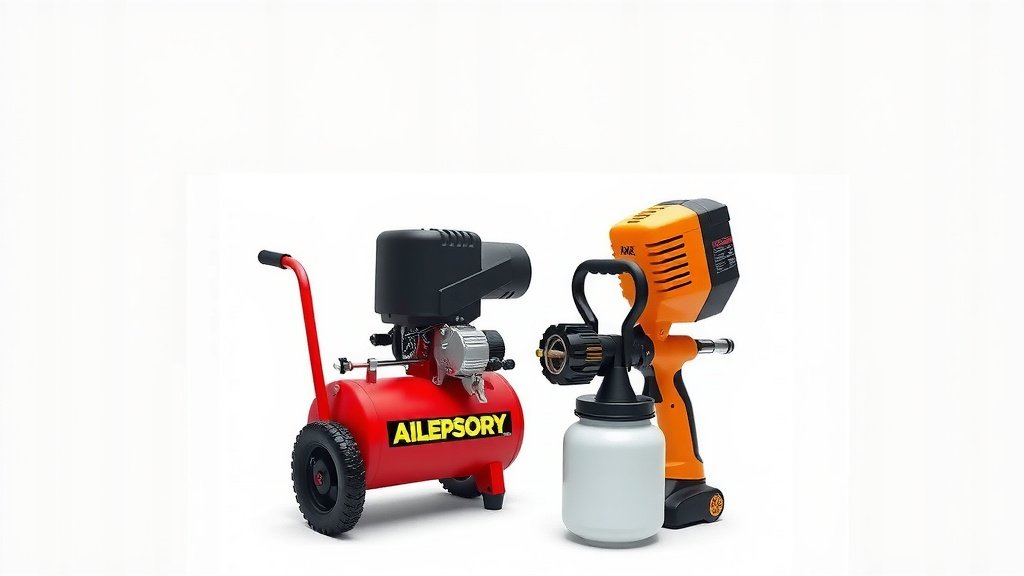
Choosing between an air compressor paint sprayer vs electric model really depends on your project’s needs. For DIYers needing quick, occasional touch-ups, a corded electric sprayer is often the best choice. They’re simpler, cheaper, and require less setup. If you’re tackling larger jobs or need consistent, professional finishes, an air compressor system Learn about the 1 cylinder vs 2 cylinder air compressor differences in our guide. offers superior control and smoother application.
We found that while electric sprayers are convenient for furniture or fences, they can struggle with thicker paints and may leave a slightly less uniform finish. Air compressors, on the other hand, provide more power and better atomization, which is key for achieving that factory-smooth look on cars or cabinets. They do come with a higher initial cost and require more maintenance.
- Electric sprayers are great for small, quick jobs.
- Air compressors are better for large projects and professional finishes.
- Consider your budget and the type of paint you’ll use.
- Air compressors offer more control and smoother results.
- Electric sprayers are generally easier to use and maintain.
Let’s break down the pros and cons of each so you can pick the perfect sprayer for your next project.
Electric Sprayer vs. Air Compressor for Painting: Which is Right for You?
Deciding between an electric paint sprayer and a system powered by an air compressor can feel like a big choice. We know you want your projects to look amazing. Let’s break down what makes each one tick and where they shine.
Understanding Electric Paint Sprayers
Electric paint sprayers are designed for simplicity and ease of use. They plug into a standard wall outlet. This means you don’t need any extra equipment to get started. They are a popular choice for homeowners and DIY enthusiasts. Many experts point to their convenience for quick jobs (DIY Home Improvement Monthly).
How They Work
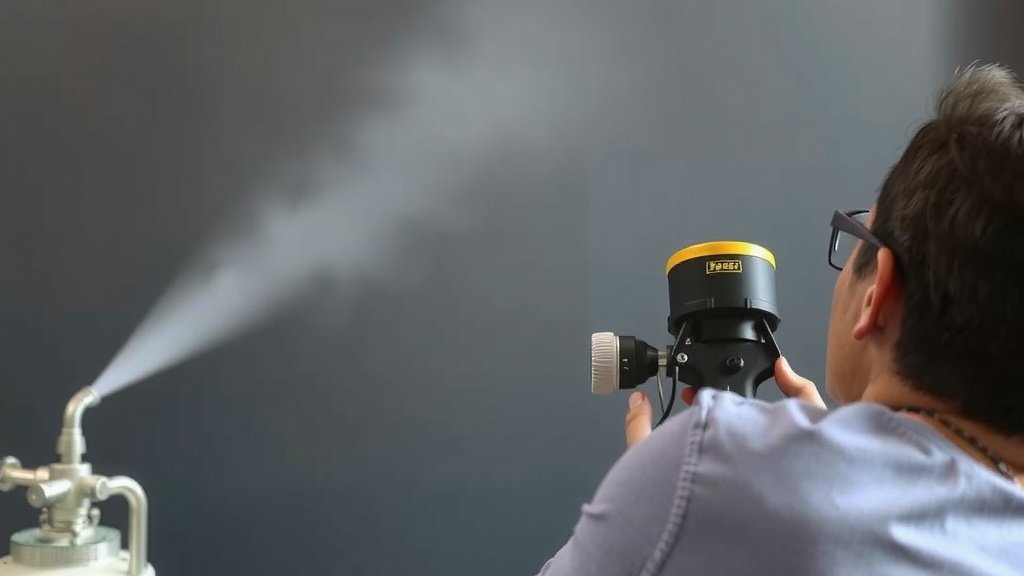
These sprayers use a motor to create pressure. This pressure pushes paint through a nozzle. The paint then atomizes into a fine mist. It’s like a high-tech watering can for paint. We found they are excellent for applying thinner coatings evenly.
Pros of Electric Sprayers
- Easy Setup: Just plug it in and go. No complicated hoses or tanks to manage.
- Portability: Most models are lightweight and easy to carry around your project.
- Affordability: They generally have a lower upfront cost than air compressor systems.
- Simple Maintenance: Cleanup is usually straightforward.
Cons of Electric Sprayers
- Power Limitations: They can struggle with thicker paints like latex. You might need to thin the paint significantly.
- Finish Quality: Some users report a slightly less uniform or “orange peel” finish compared to air sprayers.
- Overheating: Extended use can sometimes lead to overheating.
- Less Control: You have less fine-tuning ability over spray pattern and pressure.
Exploring Air Compressor Paint Sprayers
Air compressor systems offer a different approach to painting. They use compressed air to atomize and propel the paint. This method is favored by professionals for its superior finish quality and control.
The Components of an Air System
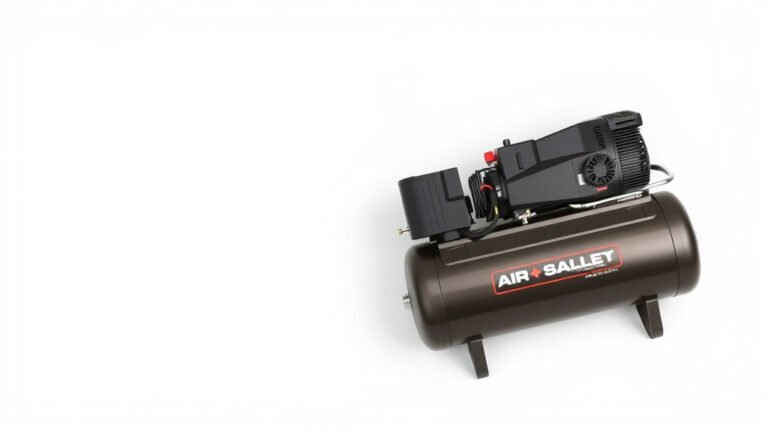
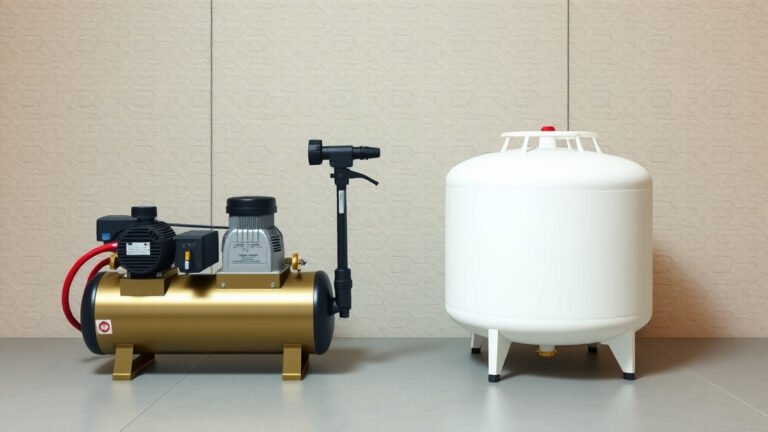
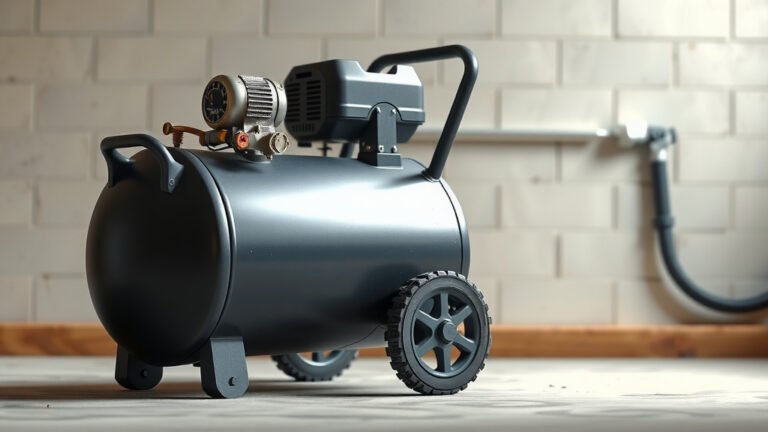
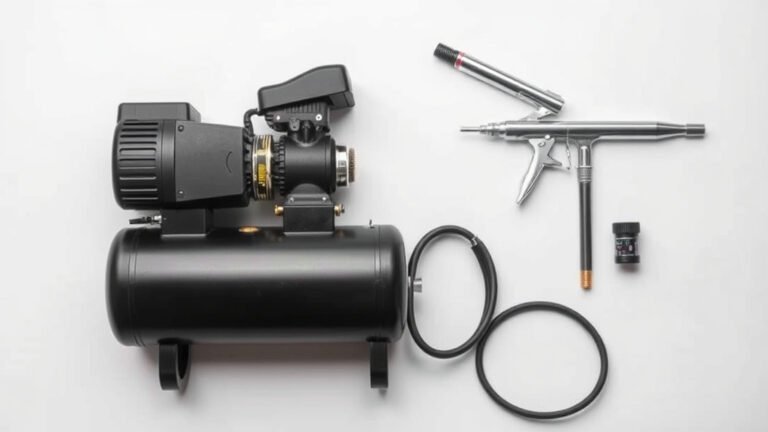
An air compressor paint sprayer setup involves several parts. You’ll have the air compressor itself. It stores and delivers compressed air. Then there’s the spray gun, which mixes air and paint. Hoses connect these components. We found that understanding each part helps in choosing the right system.
Pros of Air Compressor Systems
- Superior Finish: The fine atomization creates a smooth, professional-looking surface. Many pros rely on this for show-quality results (Professional Painter’s Magazine).
- Versatility: They handle a wide range of paint types and thicknesses with ease.
- Consistent Performance: Air compressors provide a steady supply of air for long projects.
- Precise Control: You can adjust air pressure and paint flow for perfect results.
- Durability: Air guns are often built for heavy-duty, long-term use.
Cons of Air Compressor Systems
- Higher Cost: The initial investment for a good compressor and gun is higher. Our guide to the best gallon air compressor can help you choose.
- Complexity: Setup and maintenance require more effort.
- Noise: Air compressors can be quite loud during operation.
- Portability: Compressors are heavier and less mobile than electric sprayers.
Key Differences at a Glance
To help you visualize, let’s put the main points side-by-side. This comparison focuses on what matters most for your painting projects.
| Feature | Electric Sprayer | Air Compressor System |
|---|---|---|
| Ease of Use | Very easy; plug and play | Requires setup and understanding |
| Paint Handling | Best with thinned paints; struggles with thick ones | Handles all paint types and thicknesses well |
| Finish Quality | Good, but can be less uniform | Excellent, very smooth and professional |
| Project Size | Small to medium jobs, touch-ups | Medium to large jobs, detailed work |
| Portability | High; lightweight | Lower; compressor is heavy |
| Cost | Lower initial cost | Higher initial cost |
Choosing the Right Paint Sprayer for Your Project
So, which one should you choose? It truly comes down to your specific needs. Think about the size of your project. Are you painting a small bookshelf or an entire house? Also, consider the type of paint you plan to use. Latex paints are thicker than lacquers. Many experts recommend considering the paint viscosity first (Painting & Decorating News).
When to Go Electric
An electric sprayer is likely your best bet if you’re painting furniture, fences, or doing small touch-up jobs. If you want something simple for occasional use, electric wins. It’s like grabbing a hammer for a small nail; it’s the right tool for a small job.
When to Invest in an Air Compressor
If you’re tackling cabinets, doors, vehicles, or large walls, an air compressor system will give you a much better result. Professionals often choose this route for a reason. They offer that flawless finish you see in magazines. It’s more of an investment, but the payoff in quality is significant.
A Quick Checklist for Your Decision
To help solidify your choice, run through this quick checklist:
- Is this for a small, occasional project?
- Do I need a professional-level finish?
- What types of paint will I be using?
- What is my budget for equipment?
- How much time can I spend on setup and cleanup?
- Do I need extreme portability or is stationary okay?
Conclusion
So, you’ve weighed the options between electric paint sprayers and air compressor systems. We found that your choice hinges on your project’s scale and your desired finish. For quick, small jobs where ease of use is key, an electric sprayer is a fantastic, budget-friendly pick. If you’re aiming for that smooth, professional look on larger surfaces or with tougher paints, investing in an air compressor system is the way to go. Consider your budget and the type of paint you’ll use. Now that you know the differences, you’re ready to pick the right tool and tackle your next painting project with confidence.
Frequently Asked Questions
Can an electric paint sprayer handle thick paints?
Generally, electric paint sprayers work best with thinned paints. Thicker paints, like some latex formulations, can clog the system and lead to an uneven spray. You may need to thin the paint significantly, which could affect its final appearance.
How much louder is an air compressor than an electric sprayer?
Air compressors typically produce a noticeable amount of noise when operating, often more than electric sprayers. While electric sprayers have a motor sound, compressors have the added sound of air being compressed, which can be quite loud.
Is an air compressor system difficult to clean?
Air compressor systems can be more involved to clean due to the multiple components. You’ll need to clean the spray gun thoroughly, flush the lines, and manage any leftover paint in the container. Electric sprayers usually offer simpler cleanup.
What is the initial cost difference between the two?
You’ll find that electric paint sprayers have a lower initial cost. They are generally more affordable for the DIYer. Air compressor systems, including the compressor, hoses, and spray gun, represent a larger upfront investment.
Will an air compressor system last longer than an electric one?
Air compressor spray guns are often built with more robust materials designed for heavy, professional use, potentially leading to a longer lifespan. Electric sprayers, while durable for their intended use, might have components that wear out sooner with frequent, demanding application.