Choosing Your Gallon Air Compressor For Car Painting
To paint a car effectively, you’ll generally need an air compressor that provides at least 15-20 CFM at 90 PSI. This ensures your spray gun receives enough consistent air volume for an even finish. A compressor with a larger tank, ideally 60 gallons or more, is also highly recommended to avoid the compressor running constantly.
Choosing the right air compressor is key to achieving a professional-looking paint job on your vehicle. Not having enough air can lead to a poor finish with imperfections. We found that matching the CFM requirements of your specific spray gun is the most critical factor for success.
- You need around 15-20 CFM at 90 PSI.
- A 60-gallon tank or larger is ideal for continuous work.
- Check your spray gun’s specific CFM needs.
- Insufficient air leads to a poor paint finish.
Let’s break down exactly what you need to look for in an air compressor for your car painting project.
Choosing the Right Gallon Air Compressor for Car Painting
So, you’re ready to give your car a fresh coat of paint. That’s awesome! But before you grab that spray gun, let’s talk about its best friend: the air compressor. Getting this right means the difference between a showroom shine and a streaky mess. We found that matching the air volume your paint sprayer needs is super important. You don’t want your compressor sputtering and struggling halfway through your project.
Understanding Air Compressor Specs: CFM and PSI
When you look at air compressors, two numbers always pop out: CFM and PSI. These are your main clues to whether it can handle painting your car. Think of them like the engine size and fuel efficiency of a car. You need enough power and enough fuel to get the job done.
What is CFM?
CFM stands for Cubic Feet per Minute. This is the amount of air the compressor can deliver. For painting cars, you need a good, steady flow of air. Your spray gun needs a consistent supply to atomize the paint properly. If your compressor can’t keep up, your paint might not spray evenly. We found that most automotive spray guns need at least 10-15 CFM. Some high-production guns might want even more.
What is PSI?
PSI means Pounds per Square Inch. This is the pressure of the air. While you need enough CFM, you also need the right pressure. Most paint sprayers work best around 90 PSI. Your compressor needs to be able to produce this pressure and maintain it while delivering the required CFM. Too low, and your paint won’t atomize well. Too high, and you risk runs and sags.
Gallon Size: More Than Just a Number
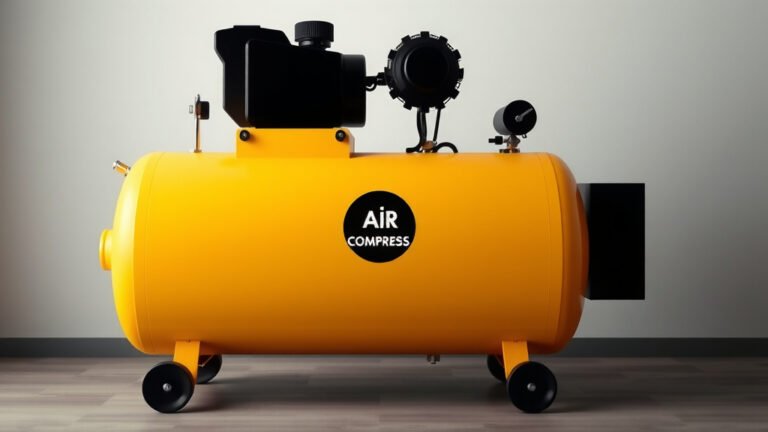
The gallon size of your air compressor refers to the tank’s capacity. This tank acts like a reservoir for compressed air. It’s where the compressor stores air before you use it.
Why a Larger Tank is Your Friend
For car painting, a larger tank is almost always better. Why? Because it means your compressor won’t have to run constantly. Imagine painting a large panel, and your compressor kicks on and off every few seconds. It’s noisy, annoying, and can lead to inconsistent air supply. A big tank, like 60 gallons or more, gives you a buffer. It allows the compressor to run for a bit, fill the tank, and then shut off while you keep spraying. This leads to a more consistent air stream for your paint.
Minimum Recommended Tank Size
Many DIYers find that a 20-30 gallon tank can work for small touch-ups. However, for painting an entire car, you’ll want to aim much higher. We found that a 60-gallon tank is a popular choice for home garages and small shops. If you plan on painting frequently or larger vehicles, consider going even bigger, perhaps 80 gallons or more.
| Project Type | CFM at 90 PSI (Minimum) | Tank Size (Recommended) |
|---|---|---|
| Small Touch-ups | 8-10 CFM | 20-30 Gallons |
| Partial Car Painting | 12-15 CFM | 40-60 Gallons |
| Full Car Painting (DIY) | 15-20 CFM | 60-80 Gallons |
| Full Car Painting (Frequent/Pro) | 20+ CFM | 80+ Gallons |
Matching Your Compressor to Your Spray Gun
This is where you really need to pay attention. Your spray gun has specific air requirements. Think of it as a chef needing a specific amount of heat from a stove. If the stove isn’t hot enough, the food won’t cook right.
Finding Your Spray Gun’s CFM Needs
Check the manual or the specifications for your spray gun. It will tell you exactly how many CFM it needs at a certain PSI. For example, it might say “12 CFM at 40 PSI.” You need to ensure your air compressor can meet or exceed these numbers. It’s always better to have a compressor that’s a bit overqualified than one that’s struggling. We found that aiming for 10-20% more CFM than your gun needs is a smart move.
Common Spray Gun Types and Their Needs
Different types of spray guns have different air demands. A basic siphon-feed gun might use less air than a high-volume, low-pressure (HVLP) gravity-feed gun. HVLP guns are popular for car painting because they are efficient with paint and create less overspray. However, they often require a higher CFM to operate effectively. Many automotive experts suggest an HVLP gun needs at least 12 CFM at 40 PSI. For a full car paint job with an HVLP gun, you’re looking at the 15-20 CFM range at 90 PSI for the compressor itself.
Beyond Gallons: Other Factors to Consider
While CFM and tank size are king, a few other things can make your painting experience smoother.
Horsepower (HP)
Horsepower is often advertised, but it’s not the most reliable indicator of performance for painting. A higher HP motor can help the compressor build pressure faster and maintain it. However, CFM is the true measure of its air output. Some manufacturers might advertise a “peak HP” that isn’t sustained. Focus on the CFM rating.
Duty Cycle
Duty cycle tells you how long a compressor can run before needing to cool down. A 50% duty cycle means it can run for 5 minutes out of every 10. For painting a car, you want a compressor with a high duty cycle, ideally 75% or even 100%. This ensures it can run for extended periods without overheating.
Oil vs. Oil-Free
Oil-lubricated compressors tend to be quieter and last longer. They also produce cleaner air. Oil-free compressors are generally lighter and require less maintenance. For painting, oil-lubricated is often preferred because the air quality is typically better, and they are built for heavier use.
A Quick Checklist for Your Compressor Purchase
Ready to make a decision? Here’s a quick rundown to ensure you’re on the right track:
- Check your spray gun’s CFM and PSI requirements first.
- Aim for a compressor that provides at least 15-20 CFM at 90 PSI for a full car.
- Prioritize a 60-gallon tank or larger for consistent airflow.
- Look for a compressor with a high duty cycle (75% or more).
- Consider an oil-lubricated model for better durability and air quality.
- Don’t be fooled by HP alone; focus on the CFM rating.
Conclusion
Choosing the right air compressor is essential for a smooth car painting process. You’ve learned that focusing on CFM and PSI is far more important than just horsepower. Aiming for at least 15-20 CFM at 90 PSI ensures your spray gun performs optimally. A larger tank, like 60 gallons or more, provides the consistent airflow you need without constant interruptions. By matching your compressor to your spray gun’s demands and considering duty cycle and oil type, you’re set for a professional-looking finish. Now, go out there and get that perfect paint job done!
Frequently Asked Questions
What happens if my air compressor doesn’t have enough CFM for painting?
If your compressor can’t supply enough CFM, your paint won’t atomize correctly. This often results in an uneven, splotchy finish with issues like “fisheyes” or poor coverage. You might also notice the spray pattern collapsing, making it hard to get a smooth coat.
Can I use a smaller compressor for touch-up paint jobs?
Yes, for very small touch-ups, a smaller compressor might suffice. You could potentially get away with a 20-30 gallon tank and around 8-10 CFM. However, for anything larger than a minor spot repair, you’ll quickly find it inadequate.
How does the gallon size of the tank affect painting quality?
A larger tank acts as a buffer, storing compressed air. This means your compressor runs less frequently, providing a more consistent and stable air supply to your spray gun. A small tank will cause the compressor to cycle on and off constantly, leading to pressure drops and uneven paint application.
Is a 100% duty cycle compressor necessary for painting a car?
While a 100% duty cycle is ideal, it’s not always strictly necessary for DIY projects. Aiming for a high duty cycle, like 75% or more, is a good compromise. This ensures the compressor can run for extended periods, like painting a large panel, without overheating and stopping unexpectedly.
Can I use an oil-free compressor for painting my car?
You can, but an oil-lubricated compressor is generally preferred for automotive painting. Oil-lubricated models tend to be more durable and produce cleaner air, which is crucial for a flawless paint finish. Oil-free compressors can sometimes introduce tiny amounts of oil mist into the air line.