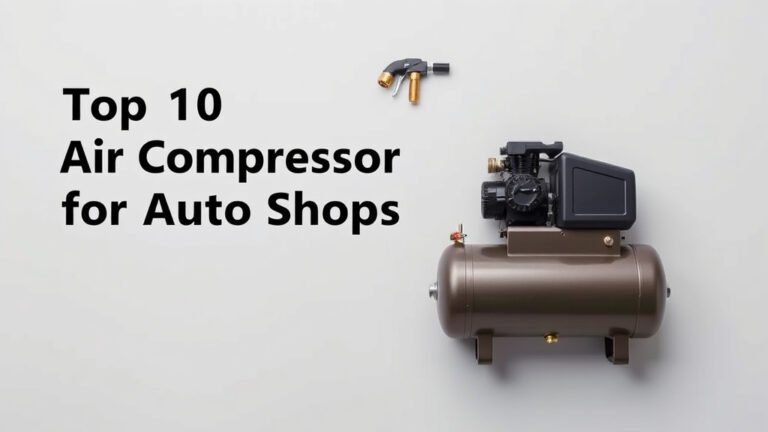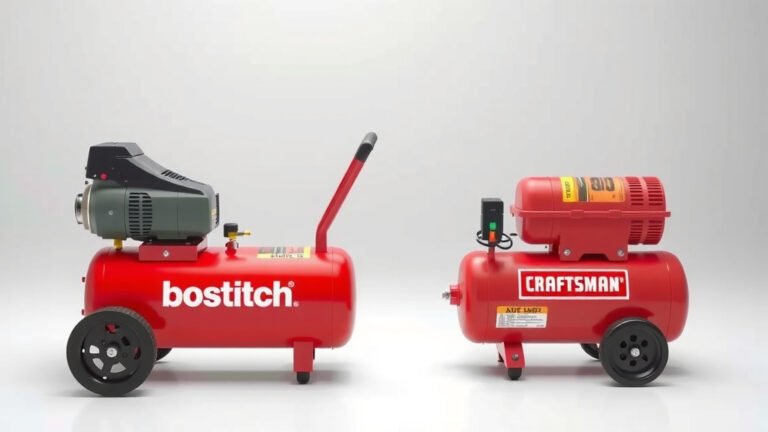
Choosing the Right Gallon Air Compressor for Your Tools
So, you’re wondering how many gallon air compressor you need to run your air tools? The quick answer is: it depends heavily on the specific air tool you’re using. Some small tools might work with a 2-6 gallon compressor, but most common DIY tools require at least a Some small tools might work with a 2-6 gallon compressor; our guide compares 1-gallon and 2-gallon models.20-30 gallon tank for consistent use.
Think of your air compressor like your car’s gas tank. A bigger tank means you can run your tools for longer without stopping to refuel. For more demanding tools like impact wrenches or sanders, you’ll often need a compressor with a larger tank capacity and higher CFM (Cubic Feet per Minute) output.
- Most basic air tools can run on smaller compressors.
- Impact wrenches and sanders need at least 20-30 gallons.
- Always check your tool’s CFM requirements first.
- Higher CFM means your tool gets more air power.
- A bigger tank size matters for longer run times.
Let’s break down exactly how to match your air compressor gallon size to your air tool needs so you don’t end up frustrated.
Choosing the Right Gallon Size for Your Air Compressor Needs
So, you’ve got some air tools and you’re wondering how big of an air compressor you actually need, right? It’s a common question because the “gallon” number on the tank can be a bit confusing. Think of it this way: the gallons refer to the tank’s storage capacity. A bigger tank means your compressor can hold more compressed air, letting you run tools longer before it needs to kick on and refill.
But here’s the catch: it’s not *just* about the gallons. You also need to think about how much air your tools use. This is measured in CFM, or cubic feet per minute. If your tool needs more air than your compressor can supply continuously, you’ll experience what we call “starvation” – your tool will start weak and stop working well.
Understanding CFM: The Real Powerhouse
We know we mentioned CFM in the intro, but it’s worth repeating because it’s so important. CFM tells you how much air a tool consumes. Your air compressor’s CFM rating tells you how much air it can deliver.
What CFM Means for Your Tools
Many air tools have a specific CFM requirement listed on them or in their manual. You’ll often see it like “X CFM @ 90 PSI”. That means the tool needs X cubic feet of air *every minute* when operating at 90 pounds per square inch of pressure. This is the most critical number when matching tools to compressors.
If your compressor’s CFM output at 90 PSI is lower than your tool’s requirement, you’ll have problems. The tool will run intermittently or not at all. It’s like trying to fill a big bucket with a tiny hose – it just won’t keep up.
Finding Your Tool’s CFM Needs
Always check the tool’s specifications first. You can usually find this information on the tool itself, on the packaging, or in the owner’s manual. If you can’t find it, a quick online search for “[Your Tool Name] CFM requirements” often does the trick. For common tools, we found these general guidelines:
- Small Nailers (Brad Nailer, Pin Nailer): Usually need around 0.5 – 1.0 CFM.
- Impact Wrenches (1/2-inch): Often require 5.0 – 8.0 CFM.
- Sanders (Orbital, Belt): Can range from 6.0 – 10.0 CFM or even higher.
- Paint Sprayers (HVLP): Varies greatly, but some can need 8.0 – 12.0 CFM.
Gallons vs. CFM: What’s More Important?
This is where it gets a little nuanced. While CFM is about the *rate* of air delivery, gallons are about the *volume* of stored air. For tools that use air in short bursts, like a nailer, a larger tank (gallons) can help compensate for a slightly lower CFM output. The tank acts as a buffer, giving you a reserve of air.
However, for tools that run continuously or consume a lot of air quickly, like a sander or a spray gun, the CFM output of the compressor is king. If the compressor can’t produce enough CFM, the tank will empty, and your tool will sputter. We found that many users mistakenly focus only on tank size and end up with a compressor that can’t power their heavier-duty tools.
When Gallons Make a Difference
Let’s say you’re using a framing nailer. It fires nails quickly but doesn’t use a massive amount of air per shot. A compressor with a 20-30 gallon tank and adequate CFM (often around 4-5 CFM at 90 PSI) might work just fine. You can nail several boards before the compressor needs to catch up.
When CFM is King
Now, consider using an orbital sander. This tool runs continuously and demands a steady stream of air. You’ll need a compressor with a high CFM output – often 6-10 CFM or more at 90 PSI. A larger tank (like 60 gallons or more) is also beneficial here, as it helps maintain that consistent air supply without the motor running constantly.
Matching Compressor Size to Your Workshop Needs
To figure out the right compressor for you, we recommend a simple process. First, list all the air tools you plan to use. Then, find the CFM requirement for each tool, especially the one that uses the most air.
Once you know the highest CFM requirement, look for a compressor that can meet or exceed that number at 90 PSI. Many experts suggest getting a compressor with a CFM rating about 1.5 to 2 times higher than your most demanding tool. This gives you some breathing room and ensures your compressor won’t be overworked.
As for gallons, think about how long you’ll be using your tools. If you’re doing short bursts of work, a smaller tank might suffice. If you’re tackling longer projects, a bigger tank is definitely your friend.
Common Compressor Sizes and What They’re Good For
We’ve put together a quick guide to help you visualize:
| Tank Size (Gallons) | Typical CFM @ 90 PSI | Best For |
|---|---|---|
| 2-6 Gallons | 0.5 – 2.0 CFM | Small finish nailers, inflation, air brushing, very light tasks. |
| 10-20 Gallons | 2.0 – 4.0 CFM | Brad nailers, framing nailers, tire inflation, light stapling. |
| 20-30 Gallons | 3.0 – 5.0 CFM | Most automotive tasks (impact wrenches, ratchets), general DIY, light sanding. |
| 60 Gallons+ | 5.0 – 10.0+ CFM | Continuous use tools (sanders, grinders, paint sprayers), professional automotive, heavy-duty shop use. |
A Quick Checklist for Your Air Tool Projector
Before you buy, ask yourself these quick questions:
- What is the highest CFM my most demanding air tool requires?
- Does the compressor’s CFM output meet or exceed that requirement at 90 PSI?
- How long do I typically use my air tools in one session?
- Will a larger tank help me work more continuously?
- Is the compressor portable, or will it stay in one place?
- Can I realistically afford the compressor that meets my needs?
Conclusion
Choosing the right air compressor gallon size for your tools comes down to understanding your needs. Remember, CFM is the primary driver for performance, especially for tools that run continuously. While a larger tank (gallons) provides a buffer for intermittent use, it can’t replace sufficient CFM output. By checking your tool’s CFM requirements and aiming for a compressor that comfortably exceeds them, you’ll avoid frustrating performance issues.
Your next step should be to identify your most air-hungry tool. Then, consult the compressor’s specifications to ensure its CFM output at 90 PSI meets or beats your tool’s needs. This preparation will help you make a smart purchase and keep your workshop running smoothly.
Frequently Asked Questions
Do I really need a big gallon tank if my tool has low CFM?
If your tool uses air in short bursts, like a nailer, a larger tank can help. It stores more air, allowing for more shots before the compressor cycles. However, if your tool requires a high, constant CFM, even a big tank will eventually run dry if the compressor can’t keep up.
Can I use a smaller compressor if I just use my air tools for short periods?
Yes, for tools that operate in short bursts, like brad nailers or staplers, a smaller gallon tank (like 10-20 gallons) might be sufficient. These tools don’t demand continuous airflow, so the tank’s reserve helps. Always check the tool’s CFM requirement to be sure.
What happens if my compressor’s CFM is lower than my tool’s requirement?
If your compressor’s CFM output is lower than your tool’s demand, you’ll experience “starvation.” Your tool will likely run intermittently, lose power, or stop working altogether. The compressor can’t supply air fast enough to keep up with what the tool is consuming.
Is it better to have more gallons or more CFM for general DIY use?
For general DIY, it’s usually better to prioritize CFM. While gallons provide storage, CFM dictates how well your tools will perform continuously. Aim for a compressor that meets the CFM needs of your most demanding tool, with a tank size that suits your typical project length.
How much extra CFM should I look for beyond my tool’s requirement?
Many experts recommend getting a compressor with a CFM rating that is 1.5 to 2 times higher than your most demanding tool’s requirement. This buffer ensures your compressor isn’t constantly running and will handle tasks more efficiently without being overworked.