How Much Are Air Compressors Worth Today
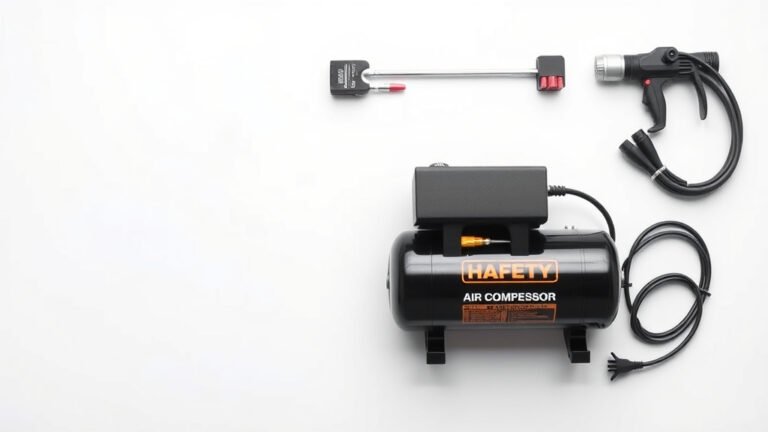
The worth of an air compressor can range from under $100 for small DIY models to several thousand dollars for heavy-duty industrial units, depending greatly on its type, power, and features. For most homeowners, a basic compressor might cost between $150 and $500, while professional-grade compressors can easily exceed $1,000.
Your air compressor’s price is influenced by horsepower, tank size, CFM (cubic feet per minute) output, and whether it’s oil-lubricated or oil-free. You’ll find that portable compressors are generally more affordable than stationary ones. We’ve found that models designed for specific tasks, like nail guns or impact wrenches, often have a distinct price point.
- Air compressor prices vary widely.
- Expect $100-$500 for DIY models.
- Pro models can cost $1,000+.
- Factors include HP, tank size, and CFM.
- Oil-free vs. oil-lubricated matters too.
Ready to figure out which type fits your needs and budget? Let’s break down the factors that determine air compressor worth and what you should consider before buying.
So, you’re wondering about the price tag on air compressors? You’ve come to the right place! We’ve done some digging, and the answer isn’t a simple number. It really depends on what you need that compressor to do. Think of it like buying a car: a reliable sedan for commuting is different from a heavy-duty truck for hauling. We found that understanding a few key features will help you pinpoint exactly what you should expect to spend.
Factors That Determine an Air Compressor’s Cost
Several elements play a big role in how much you’ll pay for an air compressor. We’ve learned that horsepower, tank size, and CFM (cubic feet per minute) are the big three. These specs tell you about the compressor’s power and capability. Higher numbers usually mean a higher price. Many sources agree that these are the foundational specs to consider first (Tooling Magazine).
Horsepower (HP): The Engine’s Strength
Horsepower is like the muscle of your air compressor. More HP means it can do more work, faster. For light tasks, like inflating tires or using a small brad nailer, you might only need a 1-2 HP motor. If you’re running larger tools like impact wrenches or sanders, you’ll want something with 3 HP or more. We found that going too low on HP means your compressor might struggle, but going too high for your needs is just paying for power you won’t use.
Tank Size: The Air Reservoir
The tank size is measured in gallons and acts like a storage tank for compressed air. A larger tank means the compressor can run tools for longer periods before needing to refill. For small, intermittent tasks, a 1-6 gallon tank might be enough. If you’re doing continuous work, like painting or using a die grinder, you’ll want a tank of 20 gallons or more. We observed that bigger tanks add to the overall cost, both in price and sometimes in portability. For small, intermittent tasks, a 1-6 gallon tank might be enough; our guide to 1-gallon vs. 2-gallon air compressors can help you decide.
CFM Rating: Airflow Matters
CFM, or cubic feet per minute, tells you how much air the compressor can deliver at a certain pressure (PSI). This is arguably the most critical spec for tool compatibility. Each air tool has a specific CFM requirement to operate efficiently. For example, a nail gun might need only 1-2 CFM, while an orbital sander could demand 6-8 CFM. We found that matching your tool’s CFM needs to your compressor’s output is key to avoiding frustration. Always check your tool’s manual for its CFM requirement and buy a compressor that slightly exceeds it.
Oil-Lubricated vs. Oil-Free Compressors
This is a common fork in the road when shopping. Oil-lubricated compressors generally run quieter and have a longer lifespan. The oil lubricates the internal parts, reducing wear and tear. However, they require more maintenance, like oil changes. Oil-free compressors are typically lighter, more portable, and maintenance-free in terms of oil. They tend to be noisier and may not last as long under heavy use. We found that for DIYers, oil-free is often a convenient choice, while professionals might prefer the durability of oil-lubricated models for demanding jobs.
Compressor Types and Their Price Ranges
The type of air compressor you choose also dictates its price. Different designs suit different applications and budgets. We’ve seen that portability and intended use are major price drivers.
Portable Air Compressors: For On-the-Go Needs
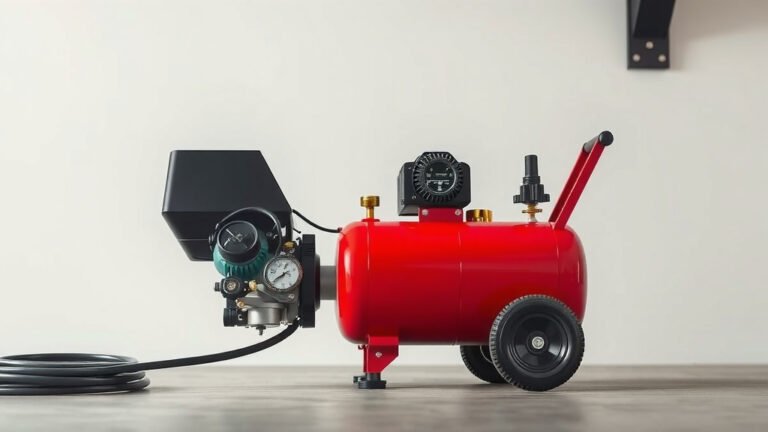
These are the workhorses for many homeowners and DIY enthusiasts. They range from tiny pancake compressors that fit in a car trunk to larger wheeled units. You’ll find these perfect for tasks like inflating tires, powering nail guns for small projects, or blowing away dust. We found that prices for portable compressors typically start around $100 for very basic models and can go up to $600-$800 for more robust, higher-CFM units.
Pancake and Hot Dog Styles
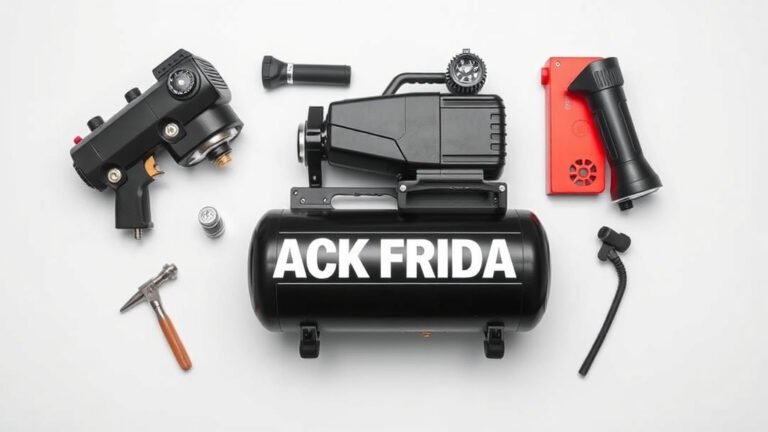
These are usually the most affordable and compact options. They often have smaller tanks (1-6 gallons) and are best for light-duty tasks. We found that their lower HP and CFM ratings keep their prices down, making them excellent entry-level choices.
Wheelbarrow/Jobsite Compressors
These are larger, more powerful portable units designed for the rigors of a construction site. They typically have bigger tanks (up to 20 gallons) and higher HP, allowing them to run more demanding tools. You’ll generally see prices in the $400 to $1,000 range for these. We found they offer a good balance of power and portability.
Stationary Air Compressors: For Serious Power
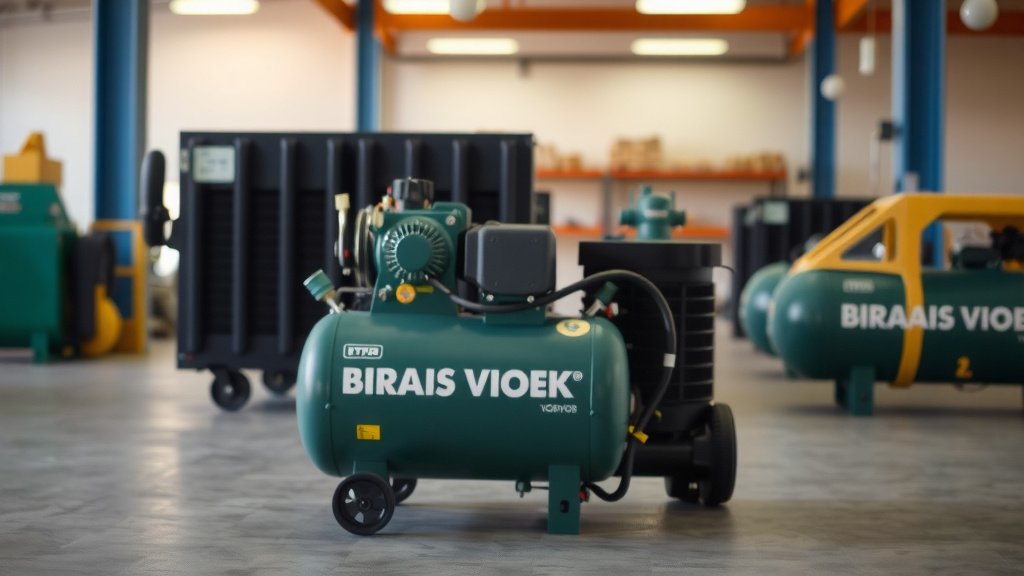
Stationary compressors are built for serious, continuous use. Think workshops, garages, or even small industrial settings. They have much larger tanks (20 gallons up to several hundred gallons) and more powerful motors, often requiring dedicated electrical circuits. Because of their size and power, they are significantly more expensive. We found that prices can start around $800 for a decent shop compressor and easily climb to $3,000 or more for industrial-grade units.
Single-Stage vs. Two-Stage Pumping
Stationary units often come with single-stage or two-stage pumps. Single-stage compressors compress air once, suitable for many shop tasks. Two-stage compressors compress air twice, generating higher pressures and more consistent airflow. These are better for demanding tools like sanders or plasma cutters. We found that two-stage models are generally more efficient and durable, but also cost more.
Additional Cost Factors to Consider
Beyond the core specs, a few other things can influence the final price you pay. Think of these as the ‘bells and whistles’ that add to the overall package. Many buyers overlook these, but they can impact your long-term satisfaction (Home Depot Insights).
Brand Reputation and Warranty
Just like with other tools, established brands often come with a higher price tag. However, they usually offer better quality control, more reliable performance, and stronger warranties. A longer warranty period can provide peace of mind, especially for more expensive units. We found that reputable brands often stand behind their products longer.
Noise Level and Portability Features
Compressors can be loud! If noise is a concern, you might look at models specifically designed for quieter operation. These often have extra insulation or specific motor designs, which can add to the cost. Similarly, features like ergonomic handles, larger wheels, or better balance for easier transport can also influence the price, especially on portable units.
Power Source: Electric vs. Gas
Most compressors you’ll encounter are electric. However, gas-powered compressors are common for job sites where electricity isn’t readily available. Gas engines add complexity and cost, making them generally more expensive than their electric counterparts. We found that gas models are best suited for remote applications.
Here’s a quick checklist to help you think about your needs:
- What tools will you power?
- How often will you use the compressor?
- Do you need portability?
- How much space do you have?
- What’s your budget range?
- Is noise a major concern?
Conclusion
We’ve seen that the worth of an air compressor really depends on what you need it for. From a budget-friendly DIY model under $200 to a robust shop compressor costing over $1,000, the price tag is tied to its power, capacity, and intended use. You’ve learned how horsepower, tank size, and CFM directly impact cost. Matching these specs to your tools ensures you get the best value. Before you buy, consider your projects, portability needs, and desired lifespan. Your next step is to use this knowledge to find the compressor that fits your tasks and your wallet perfectly.
Frequently Asked Questions
Is a more expensive air compressor always better?
Not necessarily. While higher-priced models often offer more power, better durability, and advanced features, they might be overkill for your needs. You could be paying for performance you’ll never use. We found that the best compressor is one that meets your specific tool requirements without breaking your budget.
How much should I expect to spend on a compressor for basic home repairs?
For basic home repairs like inflating tires, using a brad nailer for trim, or clearing dust, you can typically find suitable compressors in the $100 to $300 range. These are often smaller, portable, oil-free models with sufficient power for light-duty tasks.
Are gas-powered air compressors more expensive than electric ones?
Yes, generally gas-powered air compressors tend to be more expensive than their electric counterparts. This is due to the added cost of the engine and fuel system. We found they are best suited for job sites where electricity isn’t readily available.
Can I get a good quality stationary compressor for under $500?
It’s challenging to find a *new*, good-quality stationary compressor for under $500. This price point usually covers more basic portable models. Stationary compressors, with their larger tanks and higher power requirements, typically start around $800 or more for entry-level shop units.
How does the brand affect the price of an air compressor?
Well-known brands often command higher prices due to their reputation for quality, reliability, and better warranties. While cheaper, off-brand models might seem appealing, we found that investing a bit more in a reputable brand can save you money and frustration in the long run through better performance and support.