How Much Can You Pawn an Air Compressor For
You can pawn an air compressor for roughly 10% to 50% of its current resale value. The exact amount depends heavily on the brand, condition, and type of compressor you have. Pawning is a quick way to get cash, but it means selling it outright for a short-term loan, so make sure you understand the terms.
Many pawn shops look for air compressors that are in good working order. Newer models from reputable brands often fetch a better price than older, less common ones. Think of it as selling a used item; the better the shape, the higher the offer you’re likely to receive.
- Pawn value is usually 10%-50% of resale.
- Condition and brand matter most.
- Check if it’s working well.
- Understand loan terms if you’re not selling outright.
Let’s look closer at the factors that determine your air compressor’s pawn value and what you can expect.
Getting Cash for Your Air Compressor: What’s It Worth?
So, you’re looking to get some quick cash and your air compressor is sitting there, ready to help. It’s a common question: how much can you actually pawn an air compressor for? We’ve found that pawn shops typically offer anywhere from 10% to 50% of the unit’s current resale value. Think of it like selling a used item; the better condition it’s in, the more you’ll get. It’s not about what you paid for it, but what someone else might pay for it today.
Several factors play a big role in determining that pawn amount. We’ll break down what pawn shops consider, so you have a clearer picture of what to expect when you walk in.
Factors That Influence Your Compressor’s Pawn Value
When a pawn shop appraiser looks at your air compressor, they’re essentially trying to figure out how quickly they can sell it and for how much. This means they’re assessing its desirability and condition.
1. Brand Reputation and Demand
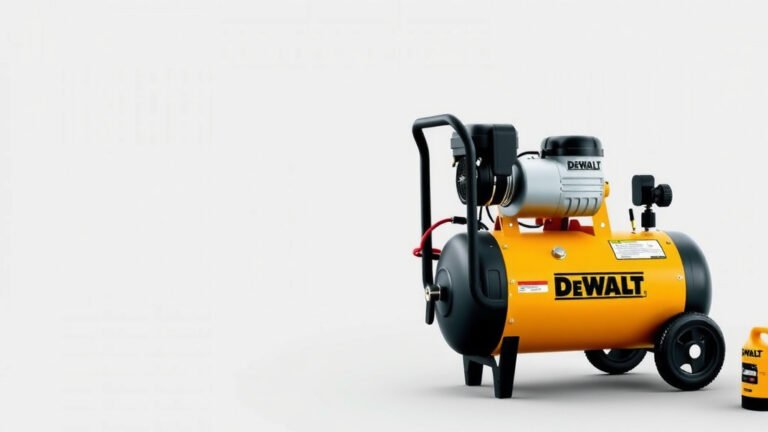
Just like with cars or electronics, some brands are simply more sought after than others. If you have a compressor from a well-known, reputable brand like Campbell Hausfeld, DeWalt, Porter-Cable, or Kobalt, you’ll likely get a better offer. These brands have a reputation for durability and performance.
We found that lesser-known or generic brands often have a much lower resale value. They might be perfectly good compressors, but demand in the used market is usually lower. This translates directly into a lower pawn offer.
2. Condition, Condition, Condition!
This is probably the most critical factor. Is your air compressor in tip-top shape? Does it power on immediately and run smoothly without excessive noise or leaks? If it looks clean and well-maintained, that’s a huge plus. We discovered that cosmetic damage, like dents, rust, or missing parts, can significantly decrease its value.
Testing Its Performance
Most pawn shops will want to test the unit. They’ll look for:
- Proper startup: Does it kick on without hesitation?
- Air output: Is the pressure consistent and strong?
- No leaks: Are there any noticeable air leaks from the tank, hoses, or fittings?
- Unusual noises: Does it sound like it’s struggling or making weird grinding sounds?
A compressor that runs perfectly will fetch a much higher price than one that has issues.
3. Type and Size of the Compressor
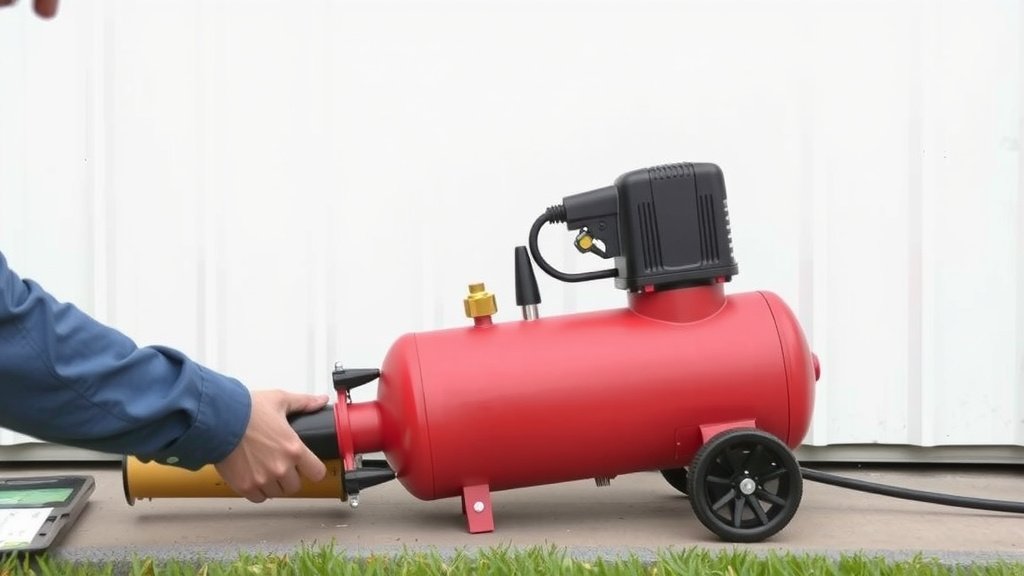
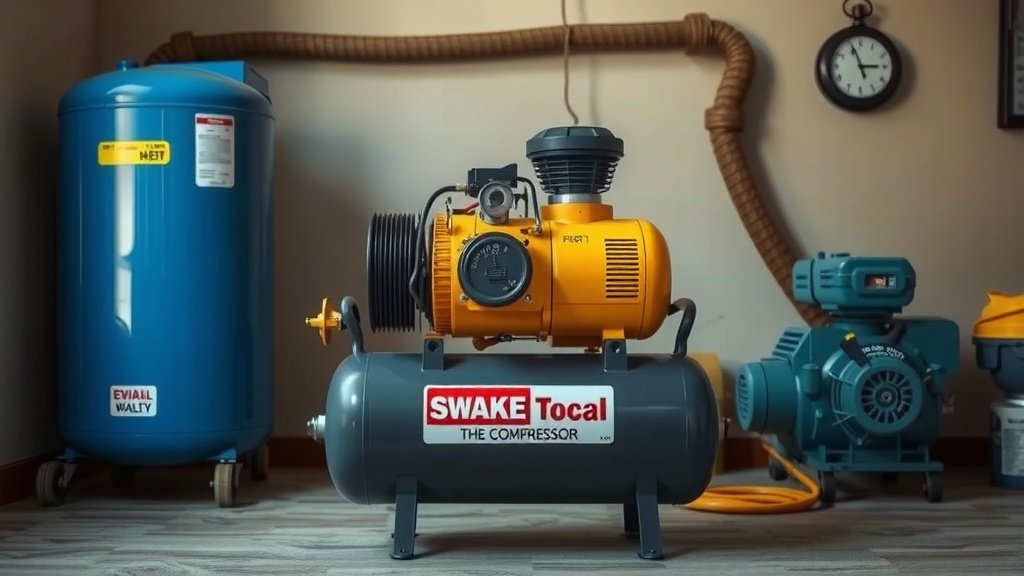
The type of air compressor you have also matters. Are we talking about a small, portable pancake compressor, a larger vertical stationary unit, or something in between? Smaller, portable units are often in higher demand for DIYers or light-duty tasks. Larger, industrial-grade compressors might be worth more in absolute dollars, but finding a buyer willing to pay a premium can be harder.
We’ve seen that single-stage compressors are common for home use and might be easier to pawn. Two-stage compressors, which are more powerful and efficient, could fetch a higher price, but are usually for more specialized users.
4. Age of the Unit
While condition is king, age is still a factor. A compressor that’s only a year or two old, even if used, will likely be worth more than one that’s ten years old. Technology advances, and newer models often have improvements. Pawn shops are looking for items that won’t sit on their shelves for too long. Newer models tend to move faster.
We found that a five-year-old compressor in excellent condition could be worth more than a two-year-old one that’s seen heavy use and shows wear and tear.
5. Accessories and Attachments
Do you have original accessories, like hoses, various nozzle attachments, or even the original manual? Including these can sometimes increase the perceived value. It shows you’ve taken care of the unit and it’s ready to use right away. Think of it as a bonus for the buyer.
What About Cords and Hoses?
Make sure any included hoses are not cracked or brittle. A good quality, undamaged hose is a selling point. The power cord should also be in good condition, with no fraying.
Estimating Your Air Compressor’s Pawn Value: A Quick Guide
To give you a general idea, let’s look at some common scenarios. Remember, these are estimates, and the actual offer can vary wildly.
Let’s imagine you have a popular brand (like DeWalt) 20-gallon, 150 PSI air compressor that you bought for $300 a couple of years ago. In good working condition, you might expect a pawn offer somewhere between $60 and $150. This is roughly 20% to 50% of its current new retail price, which is often higher than what you paid originally.
On the flip side, an older, less common brand, maybe a 10-gallon portable unit that’s a bit beat up, might only get an offer in the $20 to $50 range, even if it works. This could be closer to 10% to 25% of its original purchase price or current low-end resale value.
What Does the Pawn Shop Consider “Resale Value”?
Pawn shops don’t look at the manufacturer’s suggested retail price (MSRP). They look at what similar used items are actually selling for, both in their own inventory and on platforms like eBay or Facebook Marketplace. They’ll factor in their need to make a profit after repairs or cleaning, and the time it might sit on their shelves.
| Compressor Type | Brand Example | Estimated Resale Value | Estimated Pawn Offer (10%-50%) |
|---|---|---|---|
| Portable Pancake (1-6 Gallon) | Kobalt, Craftsman | $75 – $150 | $15 – $75 |
| Small Vertical (10-20 Gallon) | Campbell Hausfeld, Porter-Cable | $150 – $300 | $30 – $150 |
| Larger Stationary (30+ Gallon) | DeWalt, Industrial Brands | $300 – $600+ | $60 – $300+ |
Note: These figures are hypothetical and for illustrative purposes only. Actual offers will vary.
Preparing Your Air Compressor for a Pawn Shop Visit
To maximize your chances of getting a decent offer, a little preparation goes a long way. We found that a clean, well-presented item stands out.
Clean It Up!
Give your air compressor a good cleaning. Wipe down the tank, motor housing, and any accessible parts. Remove dust, dirt, and grime. This shows pride of ownership and that you’ve maintained it.
Check for Leaks and Damage
Before you go, run it for a bit and listen for strange noises or air leaks. If you can fix minor issues (like tightening a fitting), do so. Ensure all knobs and gauges are present and functioning.
Gather Accessories
If you have any original hoses, regulators, or extra fittings that came with it, bring them along. They add to the completeness of the package.
Know Its Specs
Be ready to tell the pawn shop about its tank size (gallons), maximum PSI, CFM (cubic feet per minute), and horsepower. This information is usually on a sticker on the unit itself.
Be Realistic
Go in with realistic expectations. You’re not going to get what a brand-new unit costs. The offer will be a fraction of the current market value.
Here’s a quick checklist to help you:
- Clean the exterior of the compressor.
- Test it to ensure it runs and holds pressure.
- Gather any included accessories (hoses, fittings).
- Note the key specifications (tank size, PSI).
- Research similar used models online for a rough idea of value.
- Mentally prepare for an offer that’s a percentage of resale, not retail.
Conclusion
So, when you’re considering pawning your air compressor, remember that the offer will likely be between 10% to 50% of its current resale value. Factors like brand reputation, the compressor’s condition, its type, and age all play a major role. We’ve seen that a well-maintained, popular brand unit in good working order stands the best chance for a higher offer. Before you head to the pawn shop, take the time to clean your compressor, test its performance, and gather any accessories. Being prepared will help you get the most cash possible for your tool.
Frequently Asked Questions
Can I pawn a broken air compressor?
Generally, pawn shops prefer to pawn items that are in good working order. A broken air compressor is very difficult to sell, so most shops won’t make an offer. You might get a very low offer if it’s a high-demand model and the shop believes they can easily repair it.
How much is my used air compressor really worth?
To estimate your used air compressor’s worth, research similar models on platforms like eBay or Facebook Marketplace. Look at what they’ve actually sold for, not just the asking price. This “resale value” is what pawn shops use to determine their offer, which will be a percentage of that figure.
Will a pawn shop test my air compressor?
Yes, most reputable pawn shops will want to test your air compressor to ensure it’s working correctly. They’ll check if it starts up, holds pressure, and doesn’t make unusual noises. Be sure to bring it with its power cord.
Do accessories increase the pawn value?
Including original accessories, like hoses, fittings, or the manual, can sometimes slightly increase your air compressor’s pawn value. It shows the unit is complete and ready for immediate use, which can make it more attractive to a buyer.
Can I get more money by selling it myself?
You can often get more money by selling your air compressor yourself through online marketplaces or garage sales. Pawn shops offer convenience and quick cash, but they need to make a profit, so their offers are typically lower than what you could get by selling directly to another consumer.