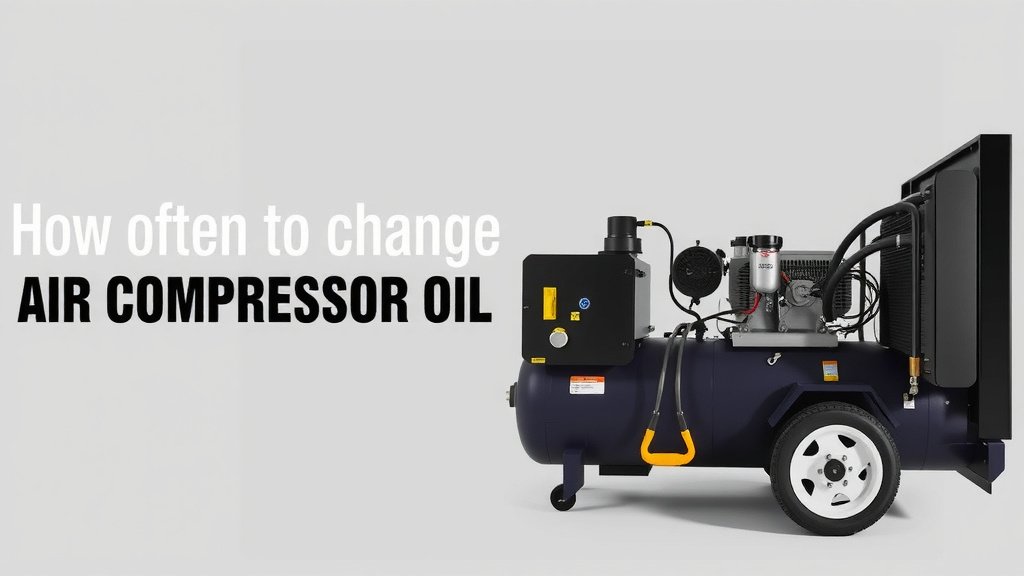
How Often to Change Air Compressor Oil: A Quick Guide
You should change your air compressor oil based on its runtime hours and operating conditions. For most standard compressors, a good rule of thumb is every 100 to 200 hours of use. If your compressor runs in dusty or very hot environments, you might need to change it more often, possibly as much as every 50 hours.
Keeping your air compressor’s oil fresh is vital for its longevity and performance. Old, dirty oil can cause internal parts to wear down faster and lead to costly repairs. We found that consistent oil changes are one of the simplest ways to ensure your compressor works reliably for years to come. It’s like giving your compressor a refreshing drink of cool water!
- Change oil every 100-200 hours for standard use.
- Check your compressor manual for specific recommendations.
- Reduce intervals if operating in dusty or hot conditions.
- Clean oil prevents wear and improves performance.
- Regular changes are key to a longer compressor lifespan.
Let’s break down the exact guidelines and best practices for when you should be changing your air compressor oil.
Knowing When to Refresh Your Air Compressor’s Oil
Your air compressor needs clean oil to keep its moving parts happy. Think of it like your car needing an oil change. Old oil loses its ability to protect the engine. Your air compressor works similarly. Ignoring this can lead to serious damage and costly repairs down the road.
So, how often should you really be changing that oil? The most common recommendation is between **100 to 200 hours of operation**. This is a good starting point for many standard home and workshop compressors. But it’s not a one-size-fits-all answer. Your compressor’s specific needs depend on a few key factors.
Factors Affecting Your Oil Change Schedule
Several things can speed up or slow down how quickly your compressor oil breaks down. Understanding these will help you create the best schedule for your specific situation. It’s all about giving your compressor the right care at the right time.
Runtime Hours: The Primary Indicator
Runtime hours are the most direct way to track your compressor’s oil life. Most compressor manufacturers include an hour meter, or you can track it yourself. This is your **best guide** for knowing when maintenance is due. Many experts suggest checking your owner’s manual first. It will often have a recommended hour range for oil changes.
For example, if your manual says every 150 hours, and you use your compressor frequently, you’ll need to keep a close eye on that meter. If you only use it occasionally, it might take longer to reach that number, but other factors still matter.
Operating Conditions: The Environmental Impact
Where and how you use your air compressor makes a big difference. Harsh conditions can significantly shorten the life of your oil. This means you’ll likely need to change it more often than the standard recommendation.
Dusty Environments
If your compressor lives in a dusty workshop or a construction site, dirt is its enemy. Dust can get into the oil, turning it into a gritty abrasive. This grit grinds away at internal parts, causing wear. We found that compressors used in very dusty areas may need oil changes as often as every **50 hours**. Think of it like sandpaper slowly wearing down metal.
High Temperatures
Running your compressor in very hot conditions also degrades the oil faster. High heat breaks down the oil’s lubricating properties. This means it can’t protect the moving parts as effectively. If your compressor is located in a hot garage or an outdoor shed that gets extremely hot, consider more frequent oil changes. Many guidelines suggest reducing your interval by **25%** in hot weather.
Heavy or Continuous Use
If your compressor is running for long periods without much downtime, it’s working harder. This increased workload generates more heat and puts more stress on the oil. For compressors that run almost constantly on a job site, you might need to check and change the oil much more often. Some professionals even check it daily. We found that continuous use shortens oil life significantly.
Type of Air Compressor Oil
Not all compressor oils are created equal. Different types of oil have different lifespans and performance characteristics. Using the right type of oil is fundamental to getting the most out of your compressor between changes.
Mineral-Based Oils
These are the most common and affordable type of oil. They are suitable for most general-purpose compressors. However, mineral oils tend to break down faster, especially under high heat. Many experts recommend changing mineral oil more frequently than synthetic options. If you’re using mineral oil, stick closer to the lower end of the recommended hour range.
Synthetic Oils
Synthetic oils are engineered for superior performance. They offer better lubrication, resist breakdown at high temperatures, and last longer than mineral oils. Many found that synthetic oils can extend the interval between changes, sometimes doubling it. If your compressor manual allows for synthetic oil, it can be a good investment for reducing maintenance frequency and improving protection. They often last up to **400 hours or more**. This can be a big saving in both time and money.
Visual Inspection: Your Eyes Don’t Lie
Beyond the hour meter, a quick visual check can tell you a lot. This simple step can prevent problems before they start. Make it a habit to look at your oil regularly.
Look for changes in the oil’s color and consistency. Fresh compressor oil is usually clear or slightly amber. If the oil looks dark, murky, or has a sludgy appearance, it’s definitely time for a change. We found that dark oil often indicates that it’s full of contaminants or has been overheated. You might also see tiny metal particles in the oil, which is a sign of internal wear.
General Guidelines for Oil Changes
To summarize, here’s a handy guide to help you remember when to change your air compressor oil. These are general rules, and your manual is always the final authority.
| Compressor Type/Use | Recommended Oil Change Interval (Runtime Hours) | Notes |
|---|---|---|
| Standard Home/Workshop Use (Good conditions) | 100-200 Hours | Check oil visually every 50 hours. |
| Frequent or Heavy Use (Continuous operation) | 50-100 Hours | Oil will degrade faster under stress. |
| Dusty or High-Temperature Environments | 50-100 Hours | Contaminants and heat shorten oil life. |
| Using Synthetic Oil (Good conditions) | 200-400+ Hours | Synthetic oils offer longer protection. |
Remember, it’s always better to change the oil a little too soon than too late. You’re protecting a significant investment. Think of it as preventative maintenance that pays off in the long run. We found that many common compressor failures are linked to poor lubrication from old or dirty oil.

Your Air Compressor Oil Change Checklist
Want a quick way to ensure you’re staying on top of your compressor’s oil? Use this simple checklist:
- Check your compressor’s manual for specific oil change recommendations.
- Track your runtime hours using the hour meter or a logbook.
- Inspect the oil visually for color, consistency, and contamination at least monthly.
- Reduce the interval if you operate in dusty, hot, or demanding conditions.
- Schedule oil changes based on your determined hour interval and operating conditions.
- Use the correct type and grade of oil recommended by the manufacturer.
Conclusion
You’ve learned that changing your air compressor oil isn’t a one-size-fits-all task. It’s a balance between runtime hours, operating conditions, and the type of oil you use. By following the 100-200 hour rule for standard use and adjusting for dust, heat, or heavy workloads, you’re protecting your investment. Remember to always check your manual first and do a quick visual inspection. Making these simple oil changes a habit will ensure your compressor runs reliably for years to come. Your next step? Grab your logbook or check that hour meter and schedule your next oil change!
Frequently Asked Questions
How do I know if my air compressor oil needs changing if it doesn’t have an hour meter?
If your compressor lacks an hour meter, you’ll need to track usage manually. Keep a logbook where you note down how long you use the compressor for each session. Tally these up to estimate your runtime hours. We found this manual tracking to be just as effective for most home users.
Can I use regular motor oil in my air compressor?
It’s generally not recommended to use regular motor oil. Air compressor oils are specifically formulated to handle the high temperatures and pressures found within a compressor. Using the wrong type of oil can lead to poor lubrication and premature wear. Always consult your compressor’s manual for the correct oil type.
What happens if I never change my air compressor oil?
If you neglect oil changes, the oil will break down and lose its lubricating properties. It can become contaminated with dirt, metal shavings, and moisture. This can lead to increased friction, overheating, and significant wear on internal components like pistons and cylinders. We found that such neglect often results in costly repairs or complete compressor failure.
Does changing the oil more often than recommended hurt anything?
Changing your air compressor oil more frequently than the manual suggests won’t typically harm the compressor. It might be a bit more work and expense, but it ensures the lubrication is always in top condition. This is often a wise choice if you operate in very demanding environments, even if your manual suggests longer intervals.
How often should I check the oil level in my air compressor?
You should check the oil level in your air compressor regularly, ideally before each use or at least weekly. Low oil levels can cause the compressor to overheat and damage internal parts. Ensure the oil level is between the minimum and maximum marks indicated on the sight glass or dipstick.