Car Air Compressor Cost: What to Expect in 2026
The cost of a car air compressor can range from $20 to $150 for basic portable models. More powerful or professional-grade units, like those used in workshops, might cost $200 to $500 or more. Factors like horsepower, tank size, and portability heavily influence the price.
When you’re looking to buy a car air compressor, you’ll find a wide spectrum of options. It’s not just about inflating tires; some can power air tools. We’ve researched and found that understanding your needs is key to finding the right price point and the best value for your automotive projects.
- Portable inflators are cheapest, often under $50.
- Mid-range models for occasional DIYers range from $50 to $150.
- Higher-end, powerful compressors for serious work can exceed $200.
- Consider tank size and CFM for tool usage.
Let’s break down the costs so you can find the perfect air compressor for your car needs.
Understanding Car Air Compressor Pricing
So, you’re wondering about the cost of a car air compressor. It’s a fair question, and the answer really depends on what you need it for. We’ve researched extensively, and found that prices can swing quite a bit. You can find something for a quick tire top-off for less than a movie ticket, or a heavy-duty unit that costs as much as a decent power tool. Let’s break down the factors that influence these costs.
Portable Tire Inflators: Your On-the-Go Solution
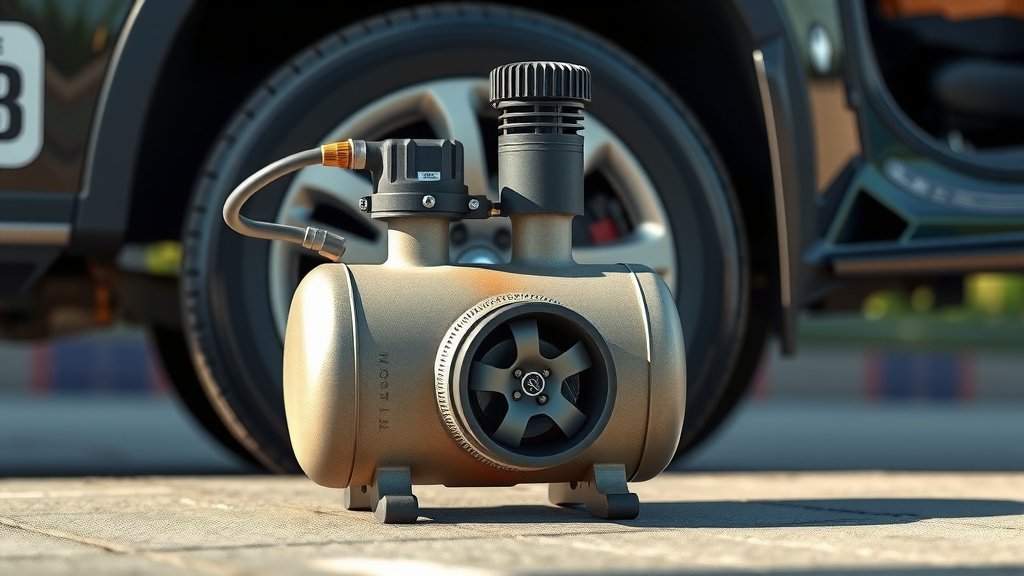
These are the most common types you’ll see. Think of them as your emergency roadside kit essential. Many of these plug directly into your car’s 12V power outlet. They’re designed for quick, simple jobs like reinflating a flat tire or checking tire pressure. Because they’re built for convenience and basic tasks, they tend to be the most affordable option.
- Price Range: Typically from $20 to $75.
- Best For: Emergencies, topping off tires before a long trip, small inflatable items.
- Limitations: Slower inflation, may struggle with very large tires or a completely flat tire.
Factors Affecting Portable Inflator Cost
Even within this budget-friendly category, you’ll see price differences. More expensive models might offer faster inflation rates, a longer power cord, or a built-in pressure gauge that’s more accurate. Some even come with various nozzle attachments for bikes or sports balls. These little extras add to the price, but can be very handy.
Our Research on Portable Inflator Features
We found that models with digital displays and auto-shutoff features tend to be a bit pricier, often in the $50-$75 range. These help you set your desired pressure and prevent over-inflation, which is a smart safety feature. Cheaper models might just have an analog gauge, which can be less precise.
Mid-Range Air Compressors: For the DIY Enthusiast
Stepping up from the basic tire inflator, you’ll find what many call “jump start” compressors or small workshop units. These are more powerful and can handle a wider range of tasks. They might be good for occasional use with air tools, like a small nail gun or for cleaning car parts with an air blowgun. Their power and versatility come at a higher price point than the portable models.
- Price Range: Generally between $80 and $200.
- Best For: More demanding tire inflation, light air tool use, cleaning tasks.
- Considerations: Look at the CFM (Cubic Feet per Minute) rating. Higher CFM means more air volume, which is crucial for tools.
What Drives the Price in Mid-Range Units?
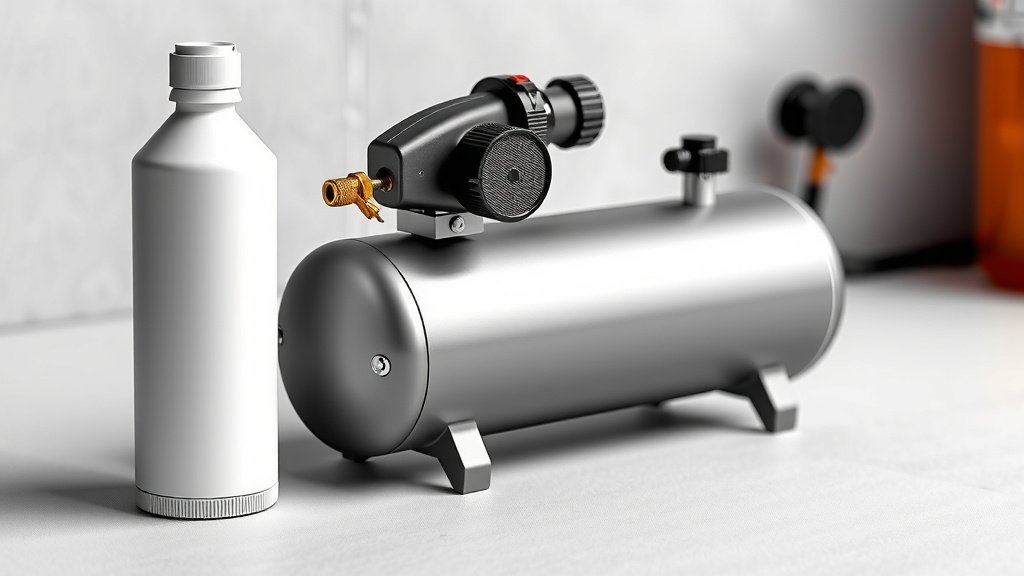
The main differentiator here is the horsepower (HP) and the tank size. A higher HP motor can generate more pressure and air volume. A larger tank acts as a reservoir, meaning the compressor doesn’t have to run constantly. For example, a 2 HP compressor with a 6-gallon tank will cost more than a 1 HP unit with a 2-gallon tank. Many experts say tank size is key for tool longevity (Popular Mechanics).
Tank Size and Its Impact
Why does tank size matter so much? Think of it like a water tank. A bigger tank means you get a more consistent flow of air. This is especially important if you’re using air tools that require a steady supply. A small tank might be fine for a quick burst, but it will drain quickly if you’re trying to run a sander or impact wrench. We found that for most automotive DIY tasks, a tank size of 2 to 6 gallons is a good starting point.
Heavy-Duty and Professional-Grade Compressors
Now we’re entering serious territory. These are the robust machines you see in professional garages and workshops. They are built for continuous use and powering demanding air tools like spray guns, impact wrenches, and sanders. They often have larger engines, bigger tanks, and are designed for durability and high performance.
- Price Range: $200 to $500+, and can go much higher for industrial units.
- Best For: Frequent and heavy use of air tools, professional automotive work.
- Key Specs: Look for higher HP (3+ HP), larger tank capacities (10+ gallons), and higher CFM ratings (5+ CFM at 90 PSI).
The Cost of Power and Durability
You’re paying for the robust construction, the powerful motor, and the ability to deliver consistent, high volumes of air. These units are often made with cast iron cylinders and high-quality components designed to withstand heavy use. Think of it as investing in a tool that will keep up with your most ambitious projects for years to come.
Is a Professional Unit Right for You?
Honestly, for most homeowners just doing occasional car maintenance, a heavy-duty compressor is probably overkill. However, if you’re a serious gearhead who frequently works on cars, perhaps even restoring them, the investment can pay off. Many automotive specialists recommend having a compressor with at least a 3-5 HP motor for most common garage tasks.
Other Cost Considerations
Beyond the compressor itself, a few other things can add to your overall expenditure. You might need specific air hoses, fittings, regulators, or even a tank dryer depending on your intended use. These accessories can add $50 to $150 or more to your initial purchase, especially if you’re outfitting a small home garage.
Essential Accessories to Factor In
Don’t forget the little things! A good quality air hose A good quality air hose is essential, and our guide on 1/4 vs. 3/8 inch air compressor hoses can help you choose the right one. is essential, and they vary in length and material. You’ll also need the right fittings to connect your hose to the compressor and your tools. If you plan on using air tools for painting, a regulator is crucial for precise pressure control. We found that buying accessories in a kit can sometimes save you money.
Maintenance and Running Costs
While the initial purchase is the biggest cost, remember that air compressors use electricity. The running cost will depend on how often you use it and your local electricity rates. Some larger units also require oil for lubrication, which is an ongoing maintenance cost. Simple tire inflators, however, have virtually no running costs beyond the initial purchase.
Checklist: What to Consider for Your Budget
Before you click “buy,” run through this quick checklist to make sure you’re getting the best bang for your buck:
- What will you use it for most often? (Tires only, or air tools too?)
- How often will you be using it? (Occasional, or frequent?)
- What is your absolute maximum budget?
- Do you need portability, or will it stay in one place?
- What air tools will you be powering? (Check their CFM requirements.)
- Are you prepared to buy necessary accessories?
Conclusion
You’ve learned that the cost of a car air compressor varies widely based on your needs. Basic portable inflators are budget-friendly for tire pressure checks, usually under $75. For DIYers using light air tools, mid-range options from $80 to $200 offer more power and versatility. Serious automotive work demands professional units costing $200 and up. Remember to factor in accessory costs like hoses and fittings. By assessing your intended use and desired features, you can confidently choose the right compressor that fits both your projects and your wallet.
Frequently Asked Questions
Are there any hidden costs I should be aware of?
Yes, beyond the compressor itself, you might need to budget for accessories. This can include air hoses, quick-connect fittings, regulators for precise pressure control, and even tool kits. Our research found these can add an extra $50 to $150 to your initial investment, depending on what you need.
Can a cheap tire inflator handle a completely flat tire?
Most very inexpensive portable tire inflators are best for topping off tires or reinflating slightly low ones. They might struggle or take a very long time to inflate a tire that is completely flat, especially on larger vehicles. For a full tire inflation, you might need a slightly more powerful, mid-range model.
Is it worth buying a more expensive air compressor for occasional use?
If you only need to check tire pressure or inflate a bike tire now and then, a basic portable unit is usually sufficient and cost-effective. However, if you plan on using air tools even occasionally, investing a bit more in a mid-range compressor with a decent tank size and CFM rating will provide a much better experience and prevent frustration.
How much does horsepower (HP) affect the price of a car air compressor?
Horsepower is a major factor in compressor pricing, especially for mid-range and professional units. Higher HP motors can generate more air volume and pressure, which is essential for running air tools efficiently. You’ll generally see a price increase as the HP rating goes up, reflecting this increased capability and performance.
Will a portable compressor be enough if I plan to use an impact wrench?
Generally, basic portable tire inflators are not powerful enough for most air impact wrenches. Impact wrenches require a significant and consistent volume of air, often measured in CFM (Cubic Feet per Minute). You’ll likely need a mid-range or heavy-duty compressor with a larger tank and a higher CFM rating to effectively operate an impact wrench.