Air Compressor vs Inflator: Which Is Right for You
When you’re deciding between an air compressor and a tire inflator, think about your needs. An air compressor is a powerhouse tool for many tasks, while a tire inflator is specifically designed for topping up tires. While both can add air, their capabilities and intended uses are quite different.
You might be wondering if a tire inflator can do what an air compressor does, or vice-versa. Research shows that tire inflators are great for quick, portable inflation of car, bike, or sports equipment tires. Air compressors, on the other hand, are more robust and can power various air tools, from nail guns to paint sprayers. They offer greater volume and pressure.
- Air compressors are versatile for tools and big jobs.
- Tire inflators are specialized for topping up tires.
- Compressors offer more power and air volume. Our guide to the best gallon air compressors can help you find the right fit.
- Inflators are portable and easy for on-the-go use.
- Choose based on your primary tasks.
Let’s break down the differences and help you figure out which one is the right choice for your garage or car.
Air Compressor vs. Tire Inflator: What’s the Real Difference?
Choosing between an air compressor and a tire inflator might seem confusing at first. Both add air, but their capabilities are vastly different. Think of it like this: a tire inflator is a specialized tool, like a chef’s paring knife. An air compressor is a more versatile workhorse, like a chef’s full set of knives and even their blender.
You’re probably wondering which one fits your needs. We’ve found that the best choice depends heavily on what you need the tool to do. Let’s get you sorted out.
Understanding the Air Compressor: More Than Just Air
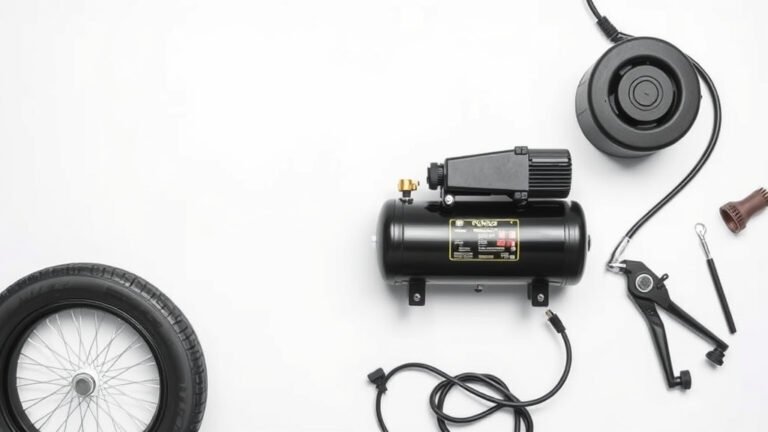
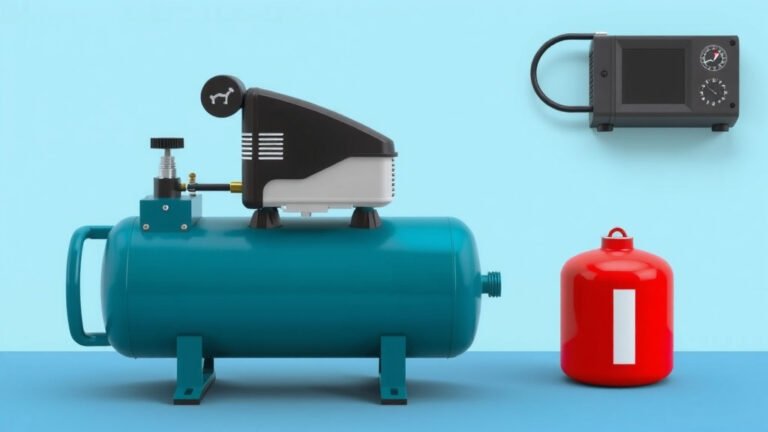
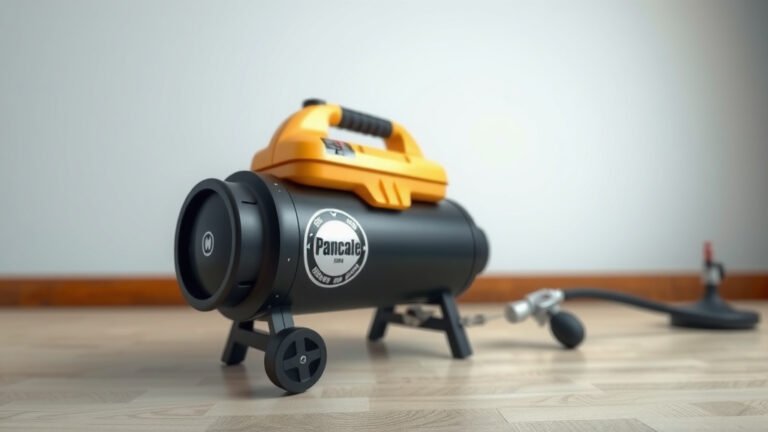
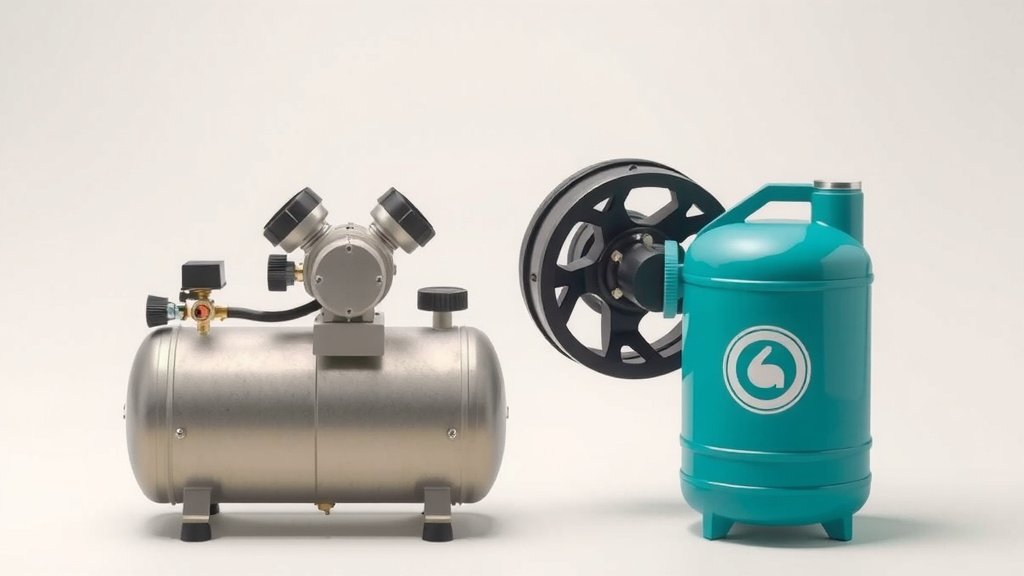
An air compressor’s main job is to take in ambient air and compress it. It then stores this compressed air in a tank. This stored air can be released at a much higher pressure than what you’d get from just your lungs or a simple inflator. This makes it suitable for a wide range of tasks, both big and small.
Key Features and Capabilities of Air Compressors
Air compressors come in various sizes, from small portable units to large industrial ones. The key is their ability to deliver consistent, high-volume airflow. This is what powers pneumatic tools.
Powering Your Tools
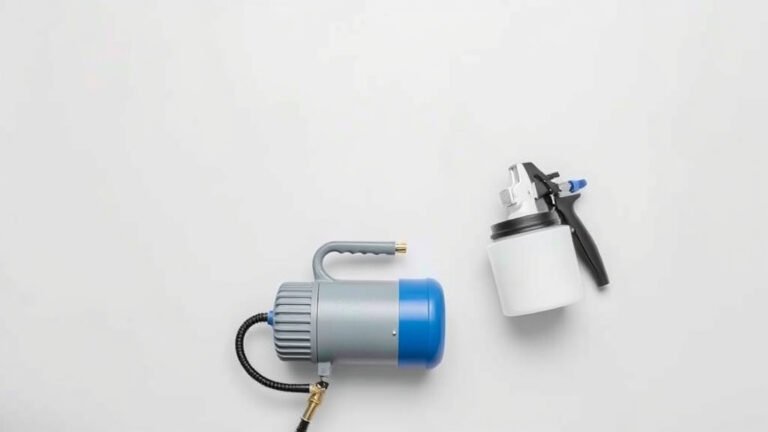
This is where air compressors truly shine. They can operate tools like nail guns, impact wrenches, paint sprayers, and sanders. These tools require a steady supply of high-pressure air to function properly. A simple tire inflator just can’t provide the necessary volume or pressure.
Inflating Tires and Other Items
Yes, an air compressor can certainly inflate tires. Many come with attachments for this very purpose. They can also fill up things like kiddie pools, inflatable toys, or even air mattresses much faster than a dedicated inflator.
Versatility in Projects
Beyond tool operation and inflation, compressors are useful for tasks like cleaning dusty engines or workshops with an air blower attachment. Some even handle tasks like airbrushing or powering small air-powered craft items. Their versatility is their biggest selling point.
When an Air Compressor is Your Best Bet
You should consider an air compressor if you:
- Plan to use air-powered tools regularly.
- Need to inflate large items quickly.
- Have automotive repair or DIY projects planned.
- Want a single tool that can handle many different jobs.
- Are looking for robust power and performance.
The Tire Inflator: Your Portable Air Solution
A tire inflator, sometimes called a portable air compressor, is designed with one primary goal in mind: to add air to tires. While some can be used for other small inflation tasks, their design is focused on convenience and portability for tire maintenance.
What Makes a Tire Inflator Different?
Tire inflators are typically much smaller and lighter than traditional air compressors. They often run on a vehicle’s 12V power outlet or have a rechargeable battery. This portability is their main advantage.
Designed for Tires
Their primary function is to top up car, truck, motorcycle, and bicycle tires. They are built to reach the typical PSI (pounds per square inch) needed for these applications. Most have built-in pressure gauges so you can monitor the inflation level.
Portability and Convenience
You can easily store a tire inflator in your trunk or glove compartment. This means you can top up your tires wherever you are, whether at home, a gas station, or roadside. This is a huge convenience for maintaining proper tire pressure.
Other Small Inflation Tasks
While not their main purpose, many tire inflators come with adapters. These allow you to inflate sports balls, small inflatable toys, or air mattresses. However, they might take longer for larger items compared to a full-sized air compressor.
When a Tire Inflator is the Right Choice
A tire inflator is ideal if you:
- Primarily need to check and inflate your car’s tires.
- Value portability and ease of use.
- Want a solution for on-the-go tire pressure adjustments.
- Don’t plan on using air-powered tools.
- Are looking for a simple, dedicated inflation device.
Direct Comparison: Air Compressor vs. Tire Inflator
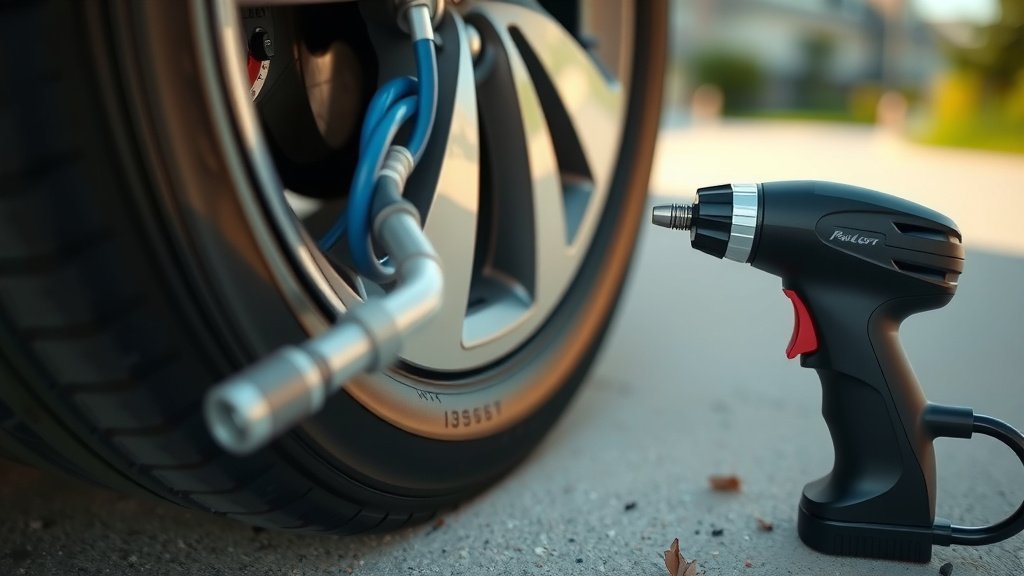
Let’s lay out the key differences side-by-side to make your decision clearer. We found that these distinctions are quite important for understanding their use cases.
| Feature | Air Compressor | Tire Inflator |
|---|---|---|
| Primary Use | Powering air tools, large inflation jobs | Inflating tires, small inflatables |
| Power Source | AC power (household outlet) | 12V car outlet, rechargeable battery |
| Portability | Generally less portable, heavier | Highly portable, lightweight |
| Air Volume & Pressure | High volume, high pressure | Lower volume, moderate pressure (suited for tires) |
| Versatility | Very high (tools, cleaning, painting, inflation) | Low to moderate (mainly inflation) |
| Cost | Generally higher | Generally lower |
As you can see, the core functionality is where they diverge most significantly. One is built for heavy-duty work, the other for simple, mobile inflation.
Making Your Final Decision: What Do You Need to Do?
To figure out which device is best for you, take a moment to think about your common tasks. Are you a DIY enthusiast who loves tinkering in the garage? Or are you someone who just wants to keep your car’s tires properly inflated?
If you have a list of projects that involve air tools, like framing a deck with a nail gun or changing tires with an impact wrench, an air compressor is your clear winner. Many automotive maintenance guides suggest having proper tire pressure for safety and fuel efficiency (NHTSA). An air compressor can easily handle this, plus all your other tool needs.
However, if your primary concern is ensuring your car’s tires are always at the right pressure and you don’t see yourself using air tools, a tire inflator is a much simpler, more practical choice. It’s also great for cyclists who need to top up their bike tires frequently. Research from tire manufacturers consistently highlights the importance of maintaining correct tire pressure for optimal vehicle performance and tire longevity.
Consider this quick checklist:
- Do you own or plan to buy air-powered tools?
- Do you need to inflate large items like air mattresses often?
- Is portability your absolute top priority for inflation?
- Are you looking for a multi-purpose workshop tool?
- Do you need a quick way to check and adjust tire pressure on the go?
- Is your budget a primary deciding factor?
Conclusion
Deciding between an air compressor and a tire inflator boils down to your specific tasks. If you’re a DIYer or mechanic needing to power tools or tackle large inflation jobs, a full-fledged air compressor is your go-to. For everyday car maintenance and convenience, a portable tire inflator is likely the better, simpler choice. We found that understanding their core capabilities – power and versatility versus portability and specialization – makes the decision straightforward. Before you buy, consider what you’ll use it for most often, and then choose the tool that best fits your needs.
Frequently Asked Questions
Can a tire inflator really replace an air compressor?
Generally, no. While a tire inflator can add air to tires and small items, it lacks the power and volume needed for air tools or larger inflation projects. An air compressor is built for more robust tasks.
How fast can an air compressor inflate a tire compared to an inflator?
Air compressors typically inflate tires much faster due to their higher airflow and pressure capabilities. Tire inflators are designed for slower, more controlled inflation suitable for tires.
Are air compressors safe to use indoors?
Most portable air compressors can be used indoors, but it’s essential to check the manufacturer’s guidelines. Ensure good ventilation, as they can generate heat and sometimes exhaust fumes.
What’s the difference in noise level between an air compressor and a tire inflator?
Air compressors tend to be significantly louder than tire inflators because they have larger motors and compression systems. Tire inflators are generally quieter and more discreet.
Can I use my air compressor to paint or run a sander?
Yes, if your air compressor has sufficient CFM (cubic feet per minute) and PSI (pounds per square inch) ratings, it can power many pneumatic tools, including paint sprayers and sanders. Always check the tool’s requirements against your compressor’s specifications.