Small Air Compressor Cost: What to Expect in 2026
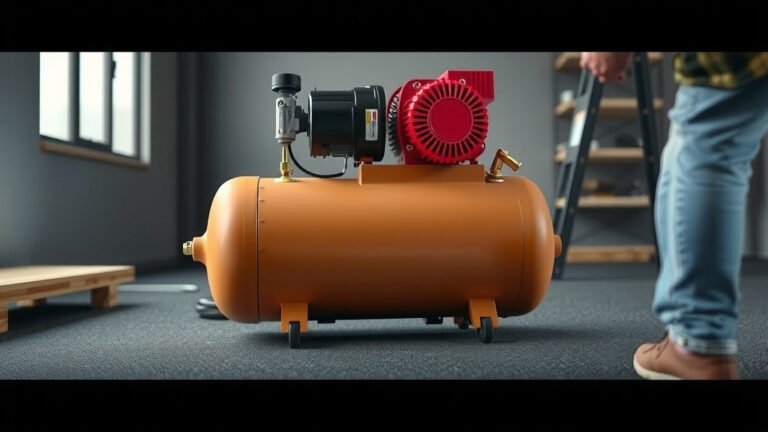
You’re probably wondering about the cost of a small air compressor. Generally, you can expect to spend anywhere from $100 to $500 for a small, entry-level air compressor. The price really depends on the horsepower, tank size, and features you need.
Finding the right small air compressor can feel overwhelming. We’ve seen prices vary quite a bit based on brand reputation and portability needs. Keep in mind that a higher price often means better durability and performance for your projects.
- Small air compressors typically cost $100-$500.
- Price depends on HP, tank size, and features.
- Portability and brand name affect the final cost.
- Consider your DIY needs for the best value.
We’ve gathered the key price points and factors to consider. Let’s break down exactly what influences the cost of a small air compressor.
Figuring Out the Price of a Small Air Compressor
So, you’re curious about how much a small air compressor might set you back? You’re in the right place! We’ve done the digging, and for a basic, reliable unit, expect to spend somewhere in the range of $100 to $500. This price point covers a lot of ground, and the final cost really boils down to a few key ingredients.
The Big Three: Horsepower, Tank Size, and Features
Think of these as the main ingredients that determine your compressor’s overall performance and, naturally, its price tag. Let’s break them down so you know what you’re paying for.
Horsepower (HP): The Engine’s Strength
Horsepower is like the muscle of your air compressor. More HP generally means it can deliver more compressed air, faster. For most small DIY jobs, you’ll see compressors with 1 to 3 HP. A higher HP unit will cost more, but it can power through demanding tasks like air nailing or small spray painting jobs more efficiently.
Tank Size: The Air Reservoir
The tank is where the compressed air is stored. Tank sizes are usually measured in gallons. Smaller tanks (1-6 gallons) are great for portability and quick tasks like inflating tires or using brad nailers. Larger tanks (up to 20 gallons for “small” compressors) can store more air, meaning the compressor won’t have to cycle on as often. This is helpful for tools that use air more continuously. Of course, a For smaller tanks like 1-6 gallons, our guide explains their suitability for quick tasks.bigger tank usually means a higher price.
Key Features That Add to the Cost
Beyond the basics, certain features can nudge the price up. Things like oil-lubricated pumps tend to be more durable and last longer than oil-free models, but they often cost more upfront. Dual-purpose compressors, those that can handle both high pressure and high volume, also come with a premium. If you need a quieter operation, you’ll often pay extra for specialized designs that reduce noise.
Portability vs. Power: Making the Trade-Off
Where and how you plan to use your compressor will heavily influence the type and price. Are you moving it around the garage, or is it staying put?
The Highly Portable Pancake Compressor
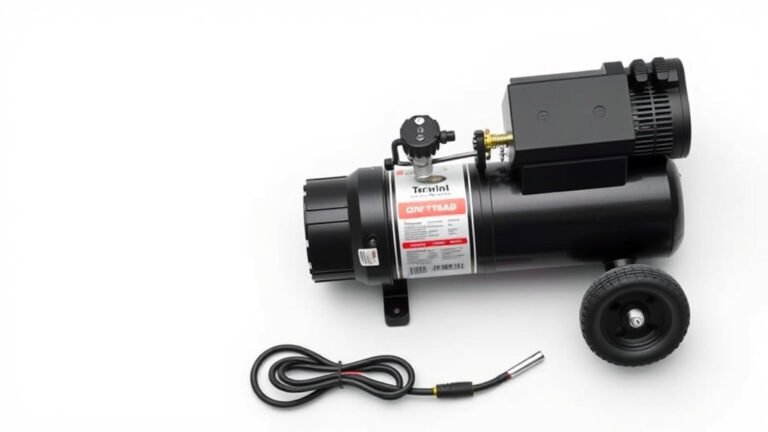
These are the workhorses for many DIYers. Pancake compressors are known for their compact and flat design, making them super easy to carry. They typically have smaller tanks (around 1-6 gallons) and lower HP. Because they are designed for easy transport and lighter duty, they are often the most affordable option, typically landing in the $100-$250 range.
The Slightly Larger Wheeled Compressor
If you need a bit more air capacity or sustained power for longer projects, a wheeled compressor might be your go-to. These often have slightly larger tanks (6-20 gallons) and higher HP. The addition of wheels and a sturdier build means they will cost a bit more, usually ranging from $250-$500. They offer a good balance between capacity and maneuverability for most home garages.
Brand Reputation and Durability: What You’re Investing In
Just like with cars or tools, some brands have built a reputation for quality and longevity. While you might find a no-name brand for less, investing in a reputable manufacturer often pays off in the long run.
The Price of Peace of Mind
Many experts suggest that a well-known brand typically means better quality control and customer support. While you might spend a little extra upfront, these compressors often feature more robust materials and construction. This can translate to a longer lifespan and fewer headaches down the road. Many reputable brands offer warranties that provide that extra layer of security, which is certainly worth considering when you look at the overall investment.
Material Matters: What’s Inside Affects the Price
The materials used in the pump and motor can significantly impact the cost. For instance, cast iron cylinders are known for their durability and heat resistance compared to aluminum. You’ll often find that compressors with higher-quality internal components will command a higher price. Many guidelines suggest looking for cast iron pumps for heavy-duty use (Tooling-Up Guide).
Understanding the Cost Categories
To help you visualize, let’s break down what you can generally expect in different price brackets for a small air compressor:
| Price Range | Typical Features | Best For |
|---|---|---|
| $100 – $200 | 1-3 Gallon Tank, Oil-Free Pump, 0.5-1.5 HP, Basic Accessories | Tire inflation, dusting, small staplers, very light DIY |
| $200 – $350 | 4-6 Gallon Tank, Oil-Free or Oil-Lubricated Pump, 1.5-2.5 HP, Better Durability | Brad/finish nailers, staplers, light spray painting, hobbyist projects |
| $350 – $500 | 6-20 Gallon Tank, Oil-Lubricated Pump, 2-3 HP, Quieter Operation, Higher CFM | Continuous nailing, small impact wrenches, more frequent DIY, small workshops |
Don’t Forget the Extras!
The compressor itself is often just the beginning. Think about what accessories you’ll need to get your projects done. These can add to your total cost.
- Hoses: You’ll need a way to connect your tools.
- Air Fittings: Quick connects and couplers are essential.
- Nozzles and Attachments: For inflating, cleaning, or blowing.
- Tools: If you’re buying your first air tool, that’s another expense.
Many starter kits bundle some of these, which can offer a bit of savings. But always check what’s included so you don’t end up buying duplicates.
Your Quick Checklist for Smart Buying
Before you click “buy,” run through this quick mental checklist. It’ll help you pinpoint the right compressor and avoid overspending:
- What specific tools will I power?
- How often will I use the compressor?
- Do I need maximum portability or more air capacity?
- Is noise level a major concern?
- What’s my budget for the compressor and essential accessories?
- Do I prefer an oil-free or oil-lubricated pump for my needs?
Answering these will guide you toward a compressor that fits your needs and your wallet perfectly. You’re looking for the best value, not just the lowest price!
Conclusion
You’ve learned that a small air compressor generally costs between $100 and $500. Your ideal choice depends on your specific needs, like the tools you’ll power and how often you’ll use it. Horsepower, tank size, portability, and brand reputation all play a role in the final price. Don’t forget to budget for essential accessories like hoses and fittings. Take a moment to review your project requirements and budget before making your purchase. This will help you find the perfect compressor that offers the best value for your DIY goals.
Frequently Asked Questions
What’s the absolute cheapest I can spend on a small air compressor?
You can find very basic, small air compressors for around $100 to $200. These are typically compact “pancake” style units with smaller tanks and lower horsepower. They’re best suited for light-duty tasks like inflating tires or using small staplers.
Is an oil-free or oil-lubricated pump better for my small compressor?
Oil-free pumps are usually less expensive and require less maintenance, making them great for portability and lighter use. Oil-lubricated pumps tend to be more durable and can last longer, especially under heavier use, but they often come with a higher initial cost.
How much extra should I expect to pay for a quieter air compressor?
Quieter operation often comes with a premium, potentially adding $50 to $150 or more to the price. These models use specialized designs to dampen noise, which can be a worthwhile investment if you’re working in a shared space or prefer a less disruptive tool.
Do I really need a larger tank if I’m only doing small DIY projects?
For very short tasks like inflating a tire or using a brad nailer for a few minutes, a smaller tank (1-6 gallons) is often sufficient. If your projects involve tools that use air more continuously, or if you simply want the compressor to cycle on less often, a larger tank (6-20 gallons) might offer better convenience and performance, though it will cost more.
Are accessories like hoses and fittings included with most small air compressors?
Generally, the air compressor itself is sold separately from its accessories. You might find some entry-level models that include a basic hose or a few attachments, but it’s common to need to purchase hoses, couplers, and any specialized nozzles or tools separately. Always check the product description carefully to see what’s included.