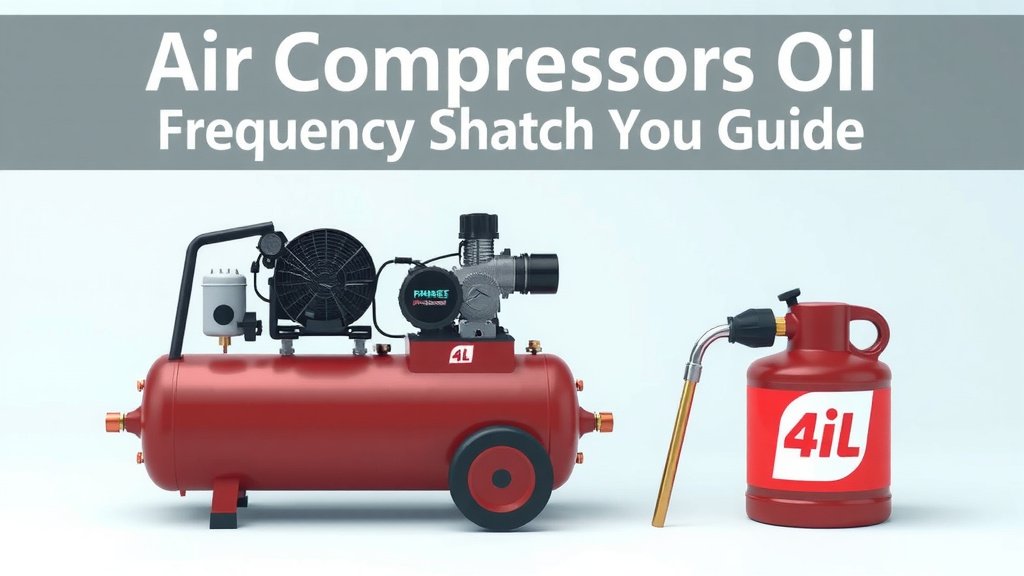
Air Compressor Oil Change Frequency: Your Guide
You should change your air compressor oil roughly every 3 to 6 months, or after about 2,000 hours of operation. Following this guideline helps keep your compressor running smoothly and prevents costly damage. It’s like giving your engine a refreshing drink to keep it performing its best.
The exact schedule for changing your air compressor oil can depend on a few things. Factors like the type of oil you use and how often you put your compressor to work play a big role. Running it in dusty or hot conditions can also mean you’ll need to change the oil more frequently. Think of it as oil for your car – heavy use means more frequent changes.
- Change oil every 3-6 months.
- Or change after 2,000 hours of use.
- Use the right type of oil.
- Consider your work environment.
- Regular changes prevent damage.
Below, we’ll break down the specific recommendations and why it’s so important to keep that oil fresh.
You might be wondering about the best schedule for this important maintenance task. We’ve got you covered with the specifics!
Keeping Your Air Compressor Running Smoothly: Oil Change Frequency
So, how often should you really be changing your air compressor oil? The general rule of thumb is to change it every 3 to 6 months. If your compressor is a real workhorse, you might need to do it even more often. Think of it like changing the oil in your car – if you drive a lot, you’ll need more frequent changes.
Understanding Your Compressor’s Needs
Several factors influence how often you’ll need to swap out that old oil for fresh. It’s not a one-size-fits-all situation. We’ll break down what makes the biggest difference for your specific machine.
The Role of Operating Hours
Many manufacturers suggest changing the oil based on how many hours your compressor runs. A common benchmark is around 2,000 operating hours. If you use your compressor daily for extended periods, you’ll hit this mark much faster than someone who uses it only a few times a week. Keeping track of these hours is key.
Environmental Conditions Matter a Lot
Where you run your air compressor plays a huge role. Is your workshop dusty? Is it regularly hot? These conditions can really tax your compressor’s oil. Dusty environments introduce particles that can contaminate the oil. High temperatures can cause the oil to break down faster. If you’re operating in these tougher conditions, you’ll want to shorten your oil change intervals. Many experts recommend checking your oil more frequently under these circumstances.
Types of Air Compressor Oil and Their Impact
Did you know there are different types of oil for air compressors? Yes, you do! Using the correct type of oil is essential for both performance and longevity. The type of oil you use will also influence how often you need to change it.
Mineral Oil vs. Synthetic Oil
Most basic compressors use mineral oil. It’s effective, but it tends to break down more quickly, especially under high heat and pressure. This means you’ll likely need to change mineral oil more frequently. Synthetic oils, on the other hand, are engineered to withstand higher temperatures and pressures. They offer better protection and last longer. If you’re using a high-quality synthetic oil, you might be able to extend the time between oil changes, sometimes doubling the interval compared to mineral oil (Pumps & Systems).
Choosing the Right Viscosity
Viscosity is basically how thick or thin the oil is. Your compressor’s manual will specify the right viscosity for your model. Using the wrong viscosity can lead to poor lubrication or increased friction. This can heat things up and force you to change the oil sooner than you’d like.
Why Regular Oil Changes are Non-Negotiable
You might think, “It’s just oil, does it really matter that much?” The answer is a resounding yes! Old, dirty oil can cause a cascade of problems.
Preventing Wear and Tear
When oil gets old, it loses its lubricating properties. It can also become contaminated with metal shavings and dirt. This gritty mixture acts like sandpaper inside your compressor. It grinds away at vital parts like pistons, cylinders, and bearings. Fresh oil provides the slick surface needed to keep these components moving smoothly and without damage.
Controlling Heat Buildup
Air compressors generate a lot of heat. The oil is designed to help dissipate this heat away from critical engine parts. As oil degrades, its ability to carry heat away diminishes. This can lead to overheating, which can warp parts or even cause catastrophic failure. Regular oil changes ensure your compressor stays cool and operates within safe temperature limits.
Maintaining Efficiency and Performance
A well-lubricated compressor runs more efficiently. Clean oil means less friction, so your compressor doesn’t have to work as hard. This can save you energy costs over time. Old, sludgy oil makes the compressor sluggish. You might notice it’s not building pressure as quickly or consistently. Fresh oil keeps your machine running at its peak performance.
A Quick Checklist for Your Oil Changes
To make sure you’re staying on top of things, keep this handy checklist:
- Check your compressor’s manual for specific recommendations.
- Set a reminder for every 3-6 months.
- Track your compressor’s operating hours.
- Note the environmental conditions where you use it.
- Always use the recommended type and viscosity of oil.
- Visually inspect the oil for color and clarity during checks.
When to Consider More Frequent Oil Changes
Let’s be honest, sometimes life happens and schedules get a little fuzzy. Or maybe your usage patterns change. If you notice any of these signs, it’s probably time for an oil change, even if it’s sooner than your usual schedule:
- The oil looks dark brown or black.
- You see sludge or particles in the oil.
- The compressor is making unusual noises.
- Performance seems to have decreased.
- You’ve been running it much harder than usual.
Think of it as giving your compressor a little spa day to keep it in top shape!
Conclusion
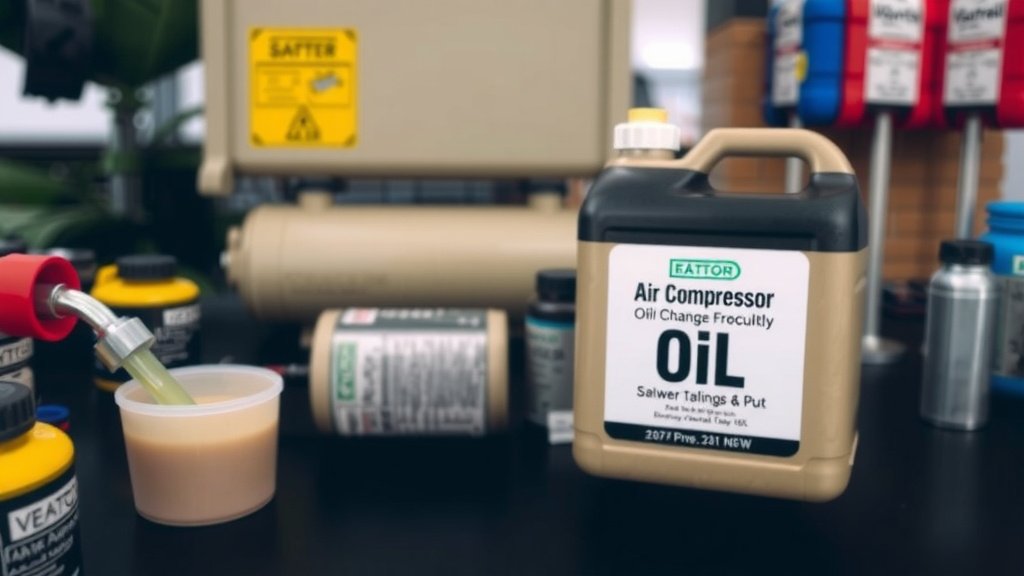
Keeping your air compressor running smoothly comes down to regular maintenance, and changing the oil is a key part of that. You’ve learned that a general guideline is to change your oil every 3 to 6 months or around 2,000 operating hours. Remember to consider your compressor’s specific needs, like operating conditions and the type of oil you’re using. Sticking to a schedule and watching for signs of wear will prevent costly repairs. Make a commitment to check your oil regularly and follow the recommended intervals to ensure your compressor lasts for years.
Frequently Asked Questions
How do I know if my air compressor oil needs changing even if it’s not time yet?
Visually inspect your oil regularly. If it looks dark brown or black, or if you see sludge or particles, it’s time for a change. Unusual noises from the compressor are also a warning sign.
Can I use regular motor oil in my air compressor?
No, you should not use regular motor oil. Air compressors require specific compressor oils formulated for the high pressures and temperatures they operate under. Always check your manual for the recommended type.
Does the brand of air compressor affect how often I should change the oil?
While brands might have slight variations in recommendations, the core factors like operating hours, environmental conditions, and oil type remain the same. Always refer to your specific compressor’s manual first.
What happens if I never change the air compressor oil?
Never changing the oil can lead to severe internal damage. The old oil loses its lubricating properties and becomes contaminated, acting like sandpaper on your compressor’s parts and causing it to overheat and eventually fail.
Should I change the oil more often if I use my compressor outdoors?
Yes, using your compressor outdoors, especially in dusty or humid environments, means the oil will likely degrade faster. You’ll want to inspect and potentially change the oil more frequently than the standard schedule suggests.