How Often Should Your Air Compressor Cycle
Generally, an air compressor should cycle between 4 to 6 times per hour. This means it should turn on and off roughly every 10 to 15 minutes. Hitting this sweet spot helps prevent overheating and excessive wear on your compressor. It’s all about finding that perfect balance for your specific needs.
The ideal cycling frequency can vary. Factors like the compressor’s size, its duty cycle rating, and how often you use compressed air all play a role. Paying attention to your compressor’s performance and listening for unusual sounds can tell you a lot. We found that consistent cycling prevents premature breakdowns.
- Aim for 4-6 cycles per hour.
- This keeps wear and tear down.
- Size matters for your compressor.
- Usage directly impacts frequency.
- Listen for any strange noises.
Let’s break down what affects your air compressor’s cycling and how to ensure it’s running efficiently. We’ll cover everything you need to know to keep your air compressor happy and healthy.
Understanding Your Air Compressor’s Cycling Rhythm
Figuring out how often your air compressor should cycle is key to its longevity. Think of it like a heartbeat for your machine. Too fast, and it gets overworked. Too slow, and it might not be ready when you need it. We found that aiming for 4 to 6 cycles per hour is a solid benchmark.
This translates to your compressor turning on and off about every 10 to 15 minutes. This steady rhythm prevents your compressor from running too hot or straining its motor. It’s all about finding that ideal sweet spot for optimal performance.
What Dictates Compressor Cycling Frequency?
The Role of Compressor Size and Type
The physical size of your air compressor plays a huge part. Larger tanks can store more compressed air. This means they won’t need to cycle as often to refill. A small pancake compressor for occasional home use will cycle much more frequently than a large industrial unit. We found that matching the compressor size to your typical air demand is critical for efficiency.
Duty Cycle: Your Compressor’s Work Limit
Every air compressor has a duty cycle rating. This tells you how long the compressor can run continuously before needing a rest. It’s usually expressed as a percentage. For example, a 50% duty cycle means the compressor can run for 5 minutes out of every 10 minutes. Running beyond this limit can cause overheating and damage.
Portable compressors often have lower duty cycles. They are built for intermittent use. Stationary or industrial compressors usually have higher ratings. They can handle more demanding, continuous work. Many experts say this rating is your primary guide for safe operation.
Air Demand: How Much Air Are You Using?
This is perhaps the most direct factor. If you’re using tools that consume a lot of air, like impact wrenches or sanders, your compressor will cycle more often. Think about it: the more air you use, the faster the tank pressure drops. This drop signals the compressor to kick on and refill. We found that infrequent, short bursts of air use lead to fewer cycles.
Conversely, constant air use means constant cycling. If your compressor is constantly running, it might be undersized for the job. Or, you might have a leak somewhere. It’s like a leaky faucet; you’re constantly trying to keep up.
Signs Your Compressor Isn’t Cycling Right
Is It Cycling Too Frequently?
If your compressor is cycling more than 6 times per hour, something might be off. Are you running multiple air tools simultaneously? That could be the cause. Or, maybe your compressor’s tank is too small for the job. Another common culprit is an air leak somewhere in your system.
A compressor that cycles too often is like a runner sprinting a marathon. It’s going to get tired quickly. This excessive cycling can lead to premature wear on the motor and pump. It also increases energy consumption. We found that frequent cycling is a red flag for potential problems.
What If It’s Not Cycling Enough?
It might sound good if your compressor rarely cycles. But, if it’s not cycling enough, it might mean the pressure switch is malfunctioning. This switch tells the compressor when to turn on. If it’s set too high, the compressor might not kick in until the pressure is dangerously low. This could leave you without air when you need it most.
We also found that if the compressor is undersized for your needs, it may never reach the cut-off pressure. This means it just keeps running. This is bad for the motor. It can overheat and eventually fail. It’s like trying to fill a bucket with a tiny trickle of water. It takes forever.
Listening for Trouble: Unusual Sounds
Your ears can be your best diagnostic tool. Listen for strange noises when the compressor cycles. Grinding, rattling, or hissing sounds can indicate worn parts or leaks. A compressor that sounds strained is definitely not happy. Many experts suggest regular listening checks.
A healthy compressor should have a consistent hum when running and a clean shut-off sound. Any deviation from this norm warrants a closer look. Don’t ignore these sounds; they are your compressor’s way of telling you something is wrong. We found that early detection saves costly repairs.
Maintaining Optimal Compressor Cycling
Regular Maintenance is Key
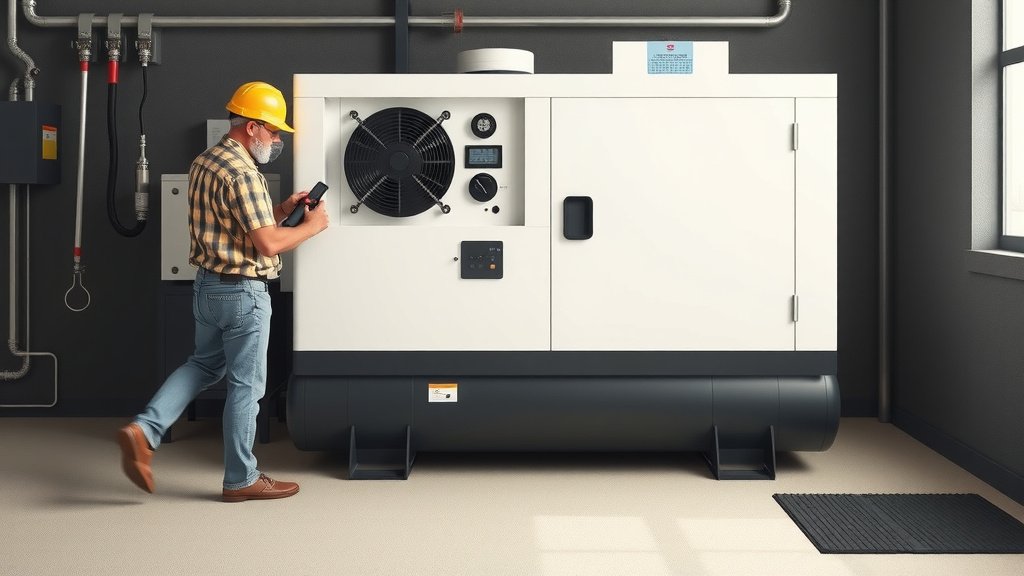
Just like any machine, your air compressor needs regular care. This includes checking and changing the oil, cleaning or replacing air filters, and draining moisture from the tank. Performing these tasks ensures all components work smoothly. Smooth operation leads to more consistent cycling.
We found that a clean air filter allows the compressor to breathe easier. This reduces strain. Draining the tank prevents rust and corrosion. These simple steps help maintain the overall health of your compressor.
Checking for Air Leaks
Air leaks are silent energy vampires. They force your compressor to cycle more often than necessary. You can often detect leaks by listening for hissing sounds when the compressor is off. You can also use a soapy water solution on fittings and hoses. Bubbles will appear where air is escaping.
Addressing leaks promptly is vital for efficiency. It not only reduces cycling frequency but also saves on your electricity bill. Many repair guides highlight leaks as a top cause of inefficient operation. We found that a system with no leaks is a happy system.
Using the Right Tools for the Job
Make sure the air tools you’re using are appropriate for your compressor’s capabilities. Using a high-demand tool with a small compressor will lead to excessive cycling. It’s like trying to tow a trailer with a compact car. It’s not designed for that kind of strain.
Understanding the CFM (cubic feet per minute) requirements of your tools is important. Compare this to your compressor’s CFM output. Matching these specifications ensures your compressor can keep up without overworking itself. We found that this simple check prevents a lot of headaches.
Troubleshooting Common Cycling Issues
Tank Size and Pressure Settings
Is your compressor’s tank size adequate for your typical tasks? If you’re constantly running out of air, you might need a larger tank. Also, ensure your pressure switch is set correctly. The cut-in pressure (when it turns on) and cut-out pressure (when it turns off) should be within the manufacturer’s recommended range. We found that these settings are often overlooked.
For instance, a common setting might be a cut-in pressure of 90 PSI and a cut-out pressure of 120 PSI. If these are too close together, the compressor will cycle rapidly. If they are too far apart, the compressor might run too long. Many user manuals provide clear guidelines for these settings.
When to Call a Professional
If you’ve checked for leaks, confirmed your tool usage is appropriate, and performed regular maintenance, yet your compressor is still cycling erratically, it might be time to get expert help. Problems with the pressure switch, check valve, or internal pump components may require a technician.
Don’t hesitate to call a qualified repair person if you’re unsure. They have the tools and expertise to diagnose complex issues. We found that trying to fix serious problems yourself can sometimes cause more damage. It’s better to be safe than sorry.
Conclusion
Keeping your air compressor cycling efficiently is key to its lifespan and performance. You’ve learned that a healthy rhythm usually means 4 to 6 cycles per hour. Remember, compressor size, its duty cycle, and how much air you’re using all influence this. Paying attention to these factors and doing regular maintenance helps prevent costly breakdowns. Your next step is to listen to your compressor – unusual sounds are its way of asking for help. A well-maintained compressor will be ready when you need it most.
Frequently Asked Questions
Can I just let my air compressor run continuously?
No, letting your air compressor run continuously is generally not recommended. Most compressors are designed with a duty cycle that limits how long they can run before needing to cool down. Continuous operation can lead to overheating and premature wear on the motor and pump.
What if my compressor cycles on and off very quickly?
If your air compressor cycles on and off too quickly (e.g., more than 6 times per hour), it’s a sign of a potential problem. This could be due to an air leak, an undersized tank for your air demand, or incorrect pressure switch settings. You should investigate these issues to prevent damage.
How do I know if my air compressor’s tank is too small?
You might have an undersized tank if your compressor cycles very frequently, struggles to keep up with your air tool usage, or runs for extended periods trying to refill. Consider your typical air consumption and compare it to your tank’s capacity to see if it’s a good match.
Does the type of air tool I use affect how often my compressor cycles?
Yes, absolutely. Tools that consume a lot of compressed air, like grinders or sanders, will cause your compressor tank pressure to drop faster. This increased demand means your compressor will need to cycle more frequently to maintain pressure compared to using tools with lower air consumption.
Is it normal for a new air compressor to cycle differently than my old one?
It can be. Newer compressors might have more efficient motors or different pressure switch settings than older models. However, you should still aim for a reasonable cycle rate. If a new compressor seems to cycle excessively or not enough, consult its manual or the manufacturer to ensure it’s operating as intended.