60 Gallon Air Compressor Oil Capacity: How Much Do You Need
Most 60-gallon air compressors need about 1 to 2 quarts of oil. This amount can vary depending on the specific model. Always check your compressor’s owner’s manual for the exact capacity.
Finding the right oil is just as important as the amount. Using the incorrect type can cause damage. We found that many manufacturers recommend a specific weight and type of air compressor oil. Don’t guess this part!
- Check your owner’s manual first.
- Most 60-gallon units take 1-2 quarts.
- Always use the recommended oil type.
- Overfilling or underfilling can cause problems.
- Regular oil checks are key for performance.
Let’s get into the specifics of what oil your 60-gallon compressor needs and why it matters so much.
Understanding Your 60-Gallon Air Compressor’s Oil Needs
So, you’ve got a 60-gallon air compressor humming along. That’s a fantastic workhorse for many DIYers and professionals! But, like any engine, it needs its lifeblood: oil. Knowing exactly how much oil your unit takes is key. Too little, and you risk overheating and wear. Too much, and you can cause other mechanical headaches. We’ve found that most 60-gallon compressors are pretty consistent, generally falling within a specific range.
Most 60-gallon air compressors require between 1 to 2 quarts of oil. This is a good starting point for your checks. However, never just pour oil in based on this general rule. Your specific compressor model might have slightly different needs. Always, always, always consult your owner’s manual. It’s your compressor’s bible for maintenance.
Why Oil Capacity Matters So Much
Think of your compressor’s oil like the blood in your own body. It lubricates moving parts, preventing friction. It also helps to cool the internal components. And it forms a seal to keep everything running smoothly. Running with insufficient oil is like asking a runner to sprint without water – they’ll overheat and break down fast.
On the flip side, overfilling can be just as detrimental. Excess oil can get whipped into a froth by the rapidly moving parts. This foam doesn’t lubricate effectively. It can also lead to increased pressure and even force oil into places it shouldn’t be, like the air intake. This can result in oily air output and potential damage to downstream equipment.
Finding the Exact Oil Capacity for Your Unit
The absolute best way to find the precise oil capacity for your 60-gallon compressor is by checking the owner’s manual. Manufacturers print this information for a reason. If you’ve misplaced your manual, don’t fret!
Where to Look for Your Manual
Most manufacturers have a support section on their website. You can usually find a PDF version of your manual by searching for your compressor’s model number. If that doesn’t work, a quick call to the manufacturer’s customer service line can often get you the information you need.
Checking the Oil Level Sight Glass
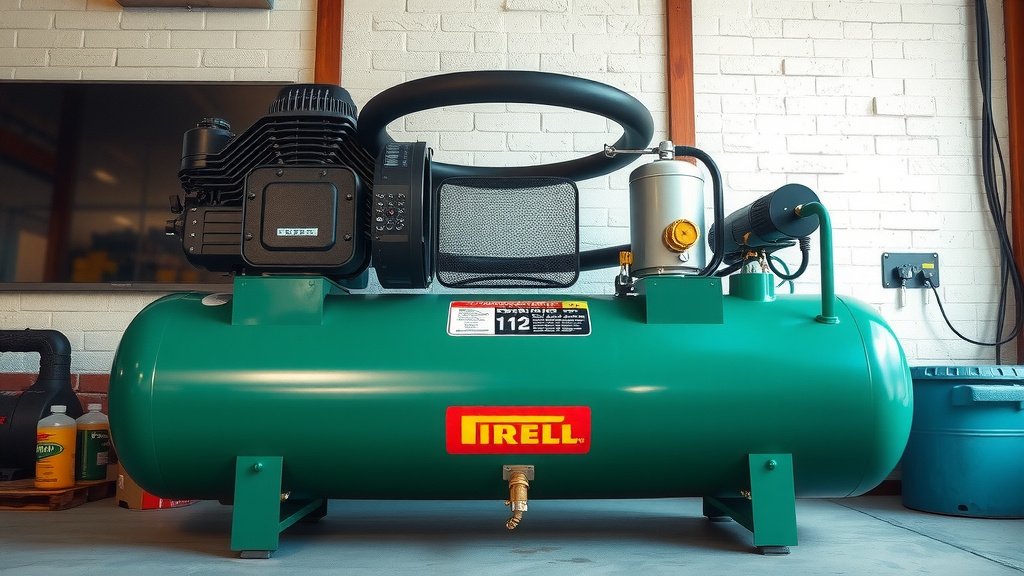
Many compressors feature an oil level sight glass. This is a small, transparent window, usually on the side of the crankcase. It allows you to visually check the oil level. When the compressor is off and has been sitting for a few minutes, the oil level should be somewhere between the “min” and “max” or “add” and “full” marks on the glass. This is your real-time gauge.
| Compressor Type | Estimated Oil Capacity | Common Oil Viscosity |
|---|---|---|
| Single-Stage Reciprocating | 0.5 – 1 quart | SAE 30 or 10W-30 |
| Two-Stage Reciprocating | 1 – 2 quarts | SAE 30 or 10W-30 |
| Rotary Screw (less common in 60-gal) | Varies widely (often several quarts) | Specific synthetic blends |
This table gives you a general idea. Remember, it’s just a guide. Your specific unit’s manual is the definitive source.
Choosing the Right Type of Oil is Crucial
It’s not just about the quantity; the type of oil is incredibly important. Air compressors operate under unique conditions. They run hotter and often longer than, say, a car engine.
Why Standard Motor Oil Might Not Be Best
You might be tempted to grab a bottle of the same oil you use for your car. However, we found that many air compressor manufacturers specifically advise against this. Auto engine oils contain detergents and additives designed for different operating temperatures and pressures. These can actually cause buildup or foaming in your compressor.
Recommended Oil Weights and Types
For most 60-gallon piston-style air compressors, a straight SAE 30 weight non-detergent oil is often recommended, especially for warmer climates or continuous use. In cooler environments, a 10W-30 synthetic or non-detergent oil might be suggested. Why non-detergent? Detergents in other oils can cause deposits and sludge in the compressor’s crankcase and valves over time.
Reading the Label is Key
Always look for oil specifically labeled for air compressors. You’ll often see viscosity ratings like “SAE 30” or “10W-30” on the bottle. Some manufacturers even offer their own branded compressor oil. We found that using the manufacturer’s recommended oil is usually the safest bet.
Synthetic vs. Mineral Oil
While mineral-based air compressor oils are common, synthetic options are also available. Synthetic oils often provide better lubrication at extreme temperatures, both hot and cold. They can also last longer between oil changes. However, they are typically more expensive. For many typical 60-gallon units, a good quality mineral oil is perfectly adequate.
When and How to Check Your Compressor Oil
Making oil checks a regular habit will save you a lot of potential grief. Think of it as a quick health check for your compressor. It takes just a minute or two.
Frequency of Checks
We found that checking the oil level before each use or at least once a week is a sound practice. If you use your compressor heavily, daily checks might be warranted. This regular inspection catches low oil levels before they become a problem.
The Best Time to Check
Always check the oil when the compressor is cool and has been off for at least 10-15 minutes. This allows the oil to drain back into the crankcase, giving you an accurate reading on the sight glass. Checking it while it’s hot or running is dangerous and will give you a false reading.
A Quick Oil Change Checklist
Here’s a simple way to remember your oil maintenance:
- Check level before each heavy use.
- Top off if below the “add” mark.
- Use only the recommended oil type.
- Change oil annually or per manual.
- Keep a small funnel handy for top-offs.
- Dispose of old oil responsibly.
Taking these small steps ensures your 60-gallon air compressor keeps delivering reliable air for all your projects.
Conclusion
You’ve learned that most 60-gallon air compressors need around 1 to 2 quarts of oil. But remember, this is just a guideline. Your compressor’s owner’s manual is always your best friend for the exact amount and type of oil. Using the correct oil prevents damage and ensures your unit runs efficiently. Regularly checking your oil level, especially before heavy use, is key to its longevity. Make oil maintenance a routine part of your tool care.
Your next step? Grab your owner’s manual and locate the oil sight glass. Give that oil level a quick check today!
Frequently Asked Questions
What happens if I overfill the oil in my 60-gallon compressor?
Overfilling can cause the oil to foam and reduce its lubricating effectiveness. It can also lead to increased crankcase pressure and force oil into the air lines, resulting in oily air output. This can potentially damage your tools.
Can I use any type of oil if I can’t find the exact one recommended?
It’s best to avoid using just any oil. Auto engine oil or other general-purpose oils often contain detergents and additives not suited for air compressors. Always try to find oil specifically labeled for air compressors with the correct viscosity rating mentioned in your manual.
How often should I change the oil in my 60-gallon compressor?
Most manufacturers recommend an oil change annually or based on hours of operation, typically around 500-1000 hours. Heavy use or dusty environments might require more frequent changes. Your owner’s manual will provide the most accurate schedule.
Is it okay to use synthetic oil in my 60-gallon compressor?
Yes, synthetic air compressor oil can be a good option, especially if you operate in extreme temperatures. It often offers better performance and a longer service life than conventional mineral oil. Ensure it’s rated for compressor use and check your manual for compatibility.
Where is the oil sight glass usually located on a 60-gallon compressor?
The oil sight glass is typically a small, transparent window located on the side of the compressor’s crankcase. It allows you to easily see the oil level without needing to remove a dipstick or cap.