How Often to Change Air Compressor Oil: A Quick Guide
You should change your air compressor oil typically every 1,000 to 2,000 hours of operation. For most DIY users, this means once a year is often enough, but frequent commercial use demands more frequent changes. Regular oil changes are key to preventing wear and tear on your machine.
Ignoring your compressor’s oil can lead to serious internal damage. Dirty oil loses its lubricating properties and can’t protect vital parts. Many manufacturers recommend specific intervals based on the compressor type and its environment. Checking your owner’s manual is always a smart first step.
TL;DR:
- Change air compressor oil every 1,000-2,000 hours.
- Annual changes may suffice for light use.
- Frequent use requires more regular changes.
- Dirty oil causes internal damage.
- Always check your manual for specific recommendations.
We found that understanding your air compressor’s oil needs can save you money and headaches down the road. Let’s break down exactly when and why you need to perform this important maintenance.
When Should You Service Your Air Compressor’s Oil?
Figuring out how often to change your air compressor oil is like knowing when to change your car’s oil. It’s not a one-size-fits-all answer. Many factors play a role in this decision. We found that the general rule of thumb is somewhere between 1,000 to 2,000 hours of runtime.
But let’s be real, most of us aren’t clocking those hours like a commercial shop. For the weekend warrior or the homeowner tackling occasional projects, once a year is often a perfectly good target. Think of it like giving your compressor a nice birthday treat! It helps keep everything running smoothly.
Understanding Your Compressor’s Needs
Your air compressor isn’t a single entity; there are different types, and they all have slightly different needs. The environment it operates in also matters a great deal. Is it dusty? Is it hot? These details can really influence how often that oil needs changing.
Compressor Type Matters
We found that different compressor designs handle heat and stress differently. For example, a small, portable compressor used for a few hours a month will have a much easier life than a large industrial unit running all day, every day.
Piston Compressors
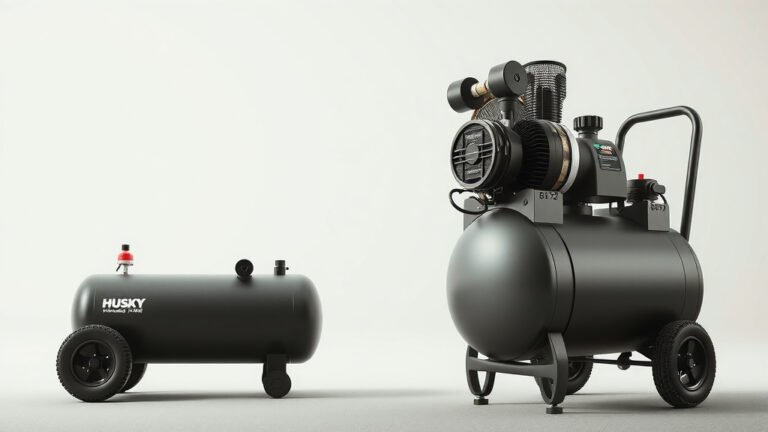
These are common in garages and workshops. They tend to run hotter and can put more stress on the oil. We generally see recommendations for piston compressors to have their oil changed more frequently than some other types. Many manufacturers suggest checking the oil level before each use and performing a full oil change after 500 to 1,000 hours of operation.
Rotary Screw Compressors
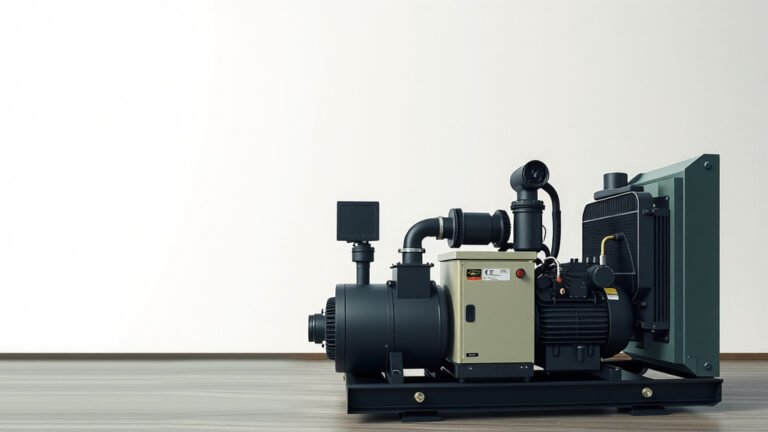
If you’re running a business or a larger operation, you might have a rotary screw compressor. These are built for continuous use and can handle heavy workloads. Because they operate differently and are often in demanding environments, their oil change intervals might be longer in terms of hours, often around 2,000 to 4,000 hours. However, the quality of the oil is super important here.
Environmental Factors
Think about where your compressor lives. Does it sit in a dusty garage? A humid basement? These conditions can affect the oil.
Dust and Debris
Dust is the enemy of clean oil. When dust gets into the crankcase, it mixes with the oil, creating a gritty paste. This paste acts like sandpaper on your compressor’s internal parts. We found that if your compressor is in a dusty environment, you should consider shortening your oil change interval. Perhaps aim for the lower end of the recommended range, or even a bit sooner.
Temperature Extremes
Extreme heat can break down oil faster. If your compressor is in a very hot workshop, that oil is working overtime. Similarly, if it operates in very cold temperatures, it might take longer to reach optimal operating temperature, which can also affect the oil. Many experts say that very hot or very cold conditions can necessitate more frequent oil changes.
Why Regular Oil Changes Are So Important
Let’s talk about why this maintenance is more than just a suggestion. Dirty, old oil can cause some serious problems. It’s like trying to run your car on sludge – not a good idea!
Lubrication Breakdown
The primary job of compressor oil is to lubricate moving parts. This reduces friction and prevents metal-on-metal contact, which causes wear and heat. As oil gets old and dirty, its lubricating properties diminish. Tiny metal particles from wear and tear contaminate the oil, making it less effective. This leads to increased friction and accelerated wear on vital components like pistons, cylinders, and bearings.
Preventing Overheating
Oil also plays a role in cooling your compressor. It carries heat away from the hottest parts. When the oil is old, broken down, or full of debris, it can’t transfer heat effectively. This can lead to your compressor overheating, which can cause serious damage, including warped parts or even a seized motor. We found that overheating is a major cause of premature compressor failure.
Corrosion Protection
New compressor oil contains additives that help protect internal metal parts from rust and corrosion. Over time, these additives get depleted. If you’re in a humid environment, moisture can get into the crankcase. Without adequate protection, rust can start to form on internal components. This is another reason why fresh oil is so beneficial.

Signs It’s Time for an Oil Change (Even If It’s Not “Time”)
Sometimes, your compressor will tell you it needs attention before you hit a specific hour mark. Paying attention to these signs can save you from bigger headaches later on.
Visual Inspection
Take a peek at the oil. If it looks dark, sludgy, or has a milky appearance, it’s probably time for a change. Milky oil can indicate water contamination, which is a big red flag. Burnt or very thick oil is also a sign of trouble.
Unusual Noises
Is your compressor suddenly sounding rougher? Are there new clicking, grinding, or knocking sounds? These could be early warnings that the oil is no longer providing adequate lubrication. Reduced lubrication means metal parts are rubbing against each other, causing noise and damage.
Performance Issues
Is your compressor not building pressure as quickly as it used to? Is it running longer than normal to do the same job? These symptoms might point to internal problems related to poor lubrication or overheating, both of which can be caused by old oil.
Making the Oil Change Process Easier
Changing your air compressor oil isn’t a complicated task, but doing it regularly makes life easier for your machine. Here’s a quick checklist to keep you on track:
- Check your owner’s manual: It’s always the best first step for specific recommendations.
- Gather your supplies: Make sure you have the correct type and amount of oil, a wrench, a drain pan, and rags.
- Warm it up slightly: Run the compressor for a few minutes to warm the oil, making it easier to drain. Don’t let it get too hot!
- Drain thoroughly: Remove as much old oil as possible.
- Refill correctly: Use the specified type and amount of oil. Don’t overfill.
- Dispose of old oil properly: Take it to an auto parts store or recycling center.
Conclusion
You’ve learned that changing your air compressor oil is vital maintenance. It keeps your machine running smoothly and prevents costly damage. Remember, the 1,000 to 2,000-hour mark is a guideline, but your compressor’s type, usage, and environment all play a role. Don’t forget to check your owner’s manual for specific recommendations. Your next step? Schedule that oil change! It’s a small task now that saves you big headaches later. Your air compressor will thank you for it.
Frequently Asked Questions
How do I know what type of oil to use?
Always check your owner’s manual for the manufacturer’s specific recommendation. Using the wrong type of oil can cause damage. Most common compressors use a dedicated air compressor oil, but some might allow for specific synthetic blends.
Can I just top off the oil instead of changing it?
Topping off the oil is a temporary fix. Old oil loses its lubricating and cooling properties. Contaminants build up over time. You need to drain the old oil and replace it with fresh oil to maintain proper function and prevent wear.
What happens if I never change the air compressor oil?
If you neglect oil changes, the oil will degrade. It will lose its ability to lubricate and cool. This can lead to overheating, increased friction, and severe internal damage. Eventually, your compressor could seize up or fail completely.
Does running my compressor in a hot garage mean I need to change the oil more often?
Yes, operating in extreme temperatures, especially heat, can cause the oil to break down faster. If your compressor is in a very hot environment, you should consider shortening your oil change interval. Aim for the lower end of the recommended range or even more frequently.
Is it okay to use automotive oil in my air compressor?
Generally, no. Air compressor oils are formulated differently than automotive oils. They need to handle different operating temperatures and pressures, and they often have specific additives for the demands of an air compressor. Always use oil recommended for air compressors.