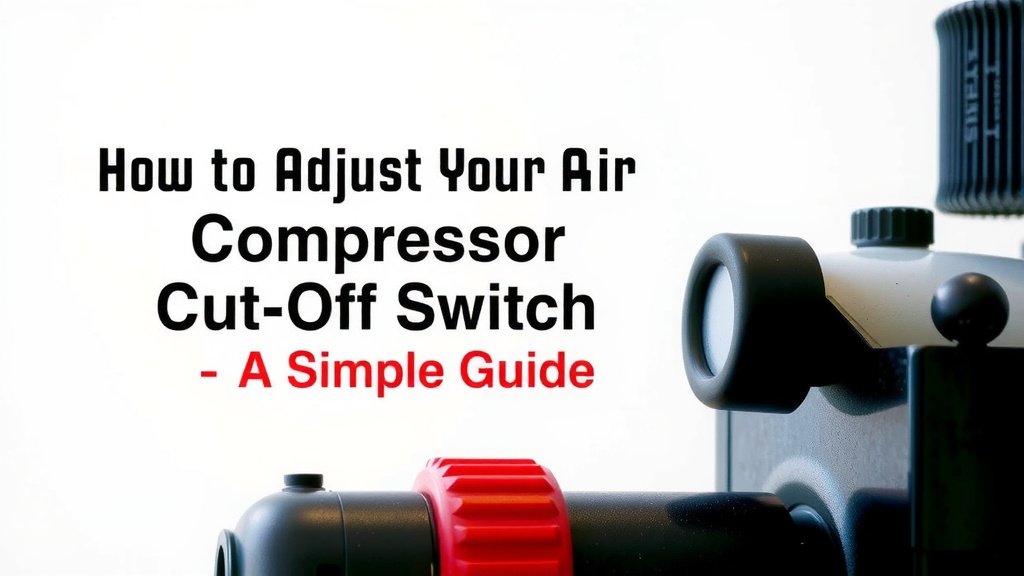
Adjust Your Air Compressor Cut-Off Switch: A Simple Guide
Adjusting your air compressor’s cut-off switch is simpler than you might think. You can easily control when your compressor turns off by turning the adjustment knob. This is key to preventing over-inflation and protecting your tools.
This switch, also known as the pressure switch, is a vital component. It tells your compressor when to stop pumping air. Knowing how to adjust it helps maintain consistent pressure and ensures your compressor runs efficiently. You’ll avoid unnecessary wear and tear.
- The cut-off switch stops the compressor at a set pressure.
- Adjust it by turning the large knob.
- Clockwise increases the cut-off pressure.
- Counter-clockwise decreases it.
- Always unplug the compressor first.
Ready to fine-tune your air compressor? Let’s walk through exactly how to adjust that cut-off switch step by step to get it working perfectly for you.
Fine-Tuning Your Air Compressor’s Pressure Settings
Your air compressor’s cut-off switch is like its thermostat. It decides when the compressor needs to rest. Properly adjusting it means your tools get the right air pressure. It also prevents the compressor from working harder than it needs to. Let’s get your compressor running just right for your needs.
Understanding the Role of the Pressure Switch
This switch, often called the pressure switch, is the brain of your compressor’s pressure regulation. It monitors the air pressure inside the tank. When the pressure hits your set cut-off point, it signals the motor to stop. When the pressure drops too low, it tells the motor to start up again. Think of it as an automatic guardian of your tank’s air supply.
Why Adjusting the Cut-Off Switch Matters
You might wonder, “Why mess with it?” Well, the factory setting is a good start. But your specific projects might need a different pressure. Maybe you’re using delicate tools that can’t handle high pressure. Or perhaps you need a bit more oomph for a demanding job. Adjusting it ensures you get the precise pressure you need. It also helps prevent overworking your compressor, which can lead to wear and tear. Many repair guides suggest keeping settings within the manufacturer’s recommended range to avoid damage (Ingersoll Rand Service Manuals).
Preventing Over-Inflation and Tool Damage
Imagine filling a balloon too much. It pops! Your air tools can suffer a similar fate if the pressure is too high. Setting the cut-off too high means the tank will build up excessive pressure. This can damage sensitive air tools, like paint sprayers or impact wrenches. A properly adjusted switch prevents this over-inflation scenario.
Optimizing Compressor Efficiency
When your compressor cycles on and off at the right points, it works more efficiently. If the cut-off is set too low, the compressor will start and stop very frequently. This constant starting and stopping uses more electricity and puts extra strain on the motor. Finding the sweet spot means your compressor runs smoothly, saving energy and extending its lifespan. Experts often recommend setting the cut-in pressure (when it turns on) about 20-30 PSI below the cut-off pressure for optimal performance.
Steps to Safely Adjust Your Air Compressor’s Cut-Off Switch
Ready to make some adjustments? Safety first is always the name of the game when working with machinery. Let’s walk through the process carefully.
Safety Precautions Before You Start
Before you even think about touching the switch, make sure the compressor is completely unplugged from the power source. This is non-negotiable. Also, release any stored air pressure in the tank. You can do this by opening a drain valve at the bottom of the tank or by briefly opening a hose connection. Never attempt adjustments while the compressor is running or pressurized. Research from OSHA highlights that unexpected startup is a major cause of industrial accidents.
Locating and Identifying the Pressure Switch
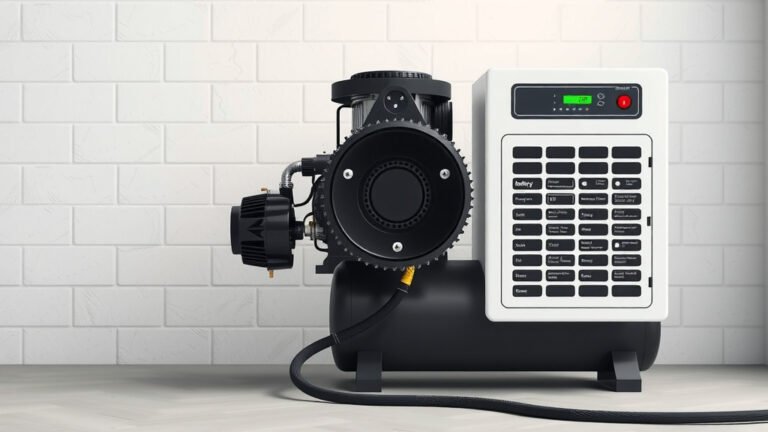
The pressure switch is usually found near the top of the air tank, often connected to a metal pipe or manifold. It’s typically a black plastic or metal box with wires leading to it and a small lever or knob for adjustment. You might also see a small gauge attached to it showing the tank pressure. Don’t confuse it with the tank pressure gauge itself.
Understanding the Adjustment Mechanism
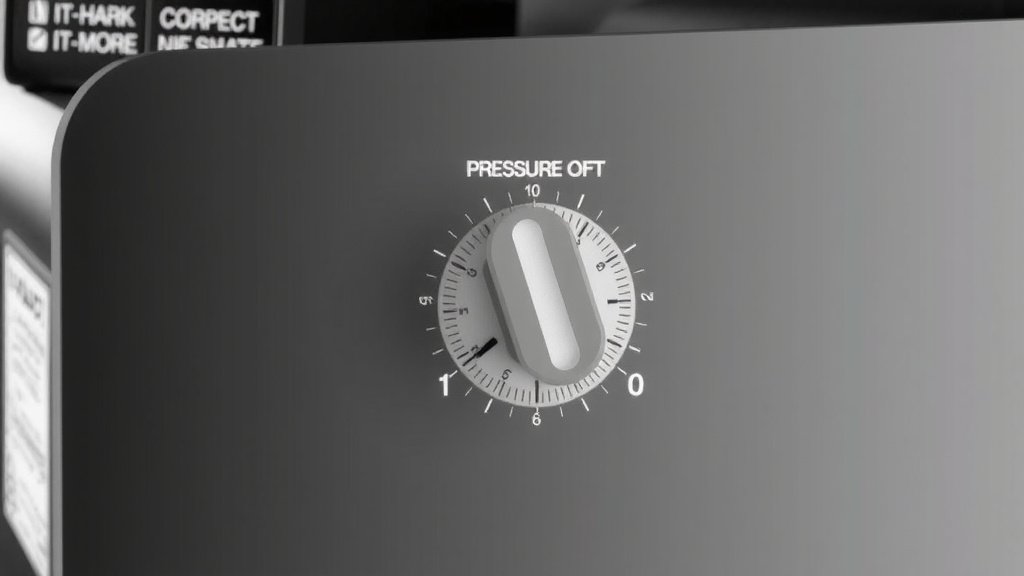
Most pressure switches have a large adjustment knob or a smaller screw. The larger knob usually controls the cut-off pressure. Turning this knob clockwise typically increases the pressure at which the switch will turn off the compressor. Turning it counter-clockwise usually lowers this cut-off pressure. Some switches may have a second, smaller screw for adjusting the cut-in pressure (when the compressor turns back on). We’ll focus on the main cut-off adjustment.
The Role of the Cut-In Pressure
While we’re focusing on the cut-off, it’s helpful to understand the cut-in pressure. This is the lower pressure point that tells the compressor to start again. The difference between the cut-off and cut-in pressure is called the “cut-out differential” or “cut-in differential.” A wider differential means the compressor runs for longer periods but starts less often. A narrower differential means more frequent starts and stops. Many manufacturers recommend a differential of about 20 to 30 PSI.
Making the Adjustments
With the compressor unplugged and depressurized, identify the adjustment knob. To increase the cut-off pressure, turn the knob clockwise in small increments, maybe a quarter turn at a time. To decrease it, turn the knob counter-clockwise. It’s best to make small adjustments and then test. You’ll need to pressurize the tank again to test your settings, but remember to plug it in only when you’re ready to run it.
Testing Your New Settings
After making an adjustment, plug in your compressor and let it fill the tank. Listen carefully. Note the pressure on the gauge when the motor shuts off. This is your new cut-off pressure. If it’s not quite right, unplug the compressor again, depressurize the tank, and make another small adjustment. Repeat the process until you reach your desired cut-off pressure. Many users find success by aiming for a cut-off pressure that’s 30-40 PSI above their typical operating pressure for most tasks.
A Quick Checklist for Adjusting Your Switch
- Unplug the compressor from power.
- Release all pressure from the tank.
- Locate the pressure switch.
- Identify the adjustment knob.
- Turn clockwise to increase cut-off pressure.
- Turn counter-clockwise to decrease cut-off pressure.
Troubleshooting Common Pressure Switch Issues
Sometimes, even after adjustment, things might not behave as expected. Don’t worry, there are a few common hiccups.
Switch Not Responding to Adjustments
If you’ve turned the knob quite a bit and see no change in cut-off pressure, the switch itself might be faulty. Sometimes the internal mechanism can get stuck. If you’ve consulted your compressor’s manual and confirmed you’re adjusting the right part, it might be time to consider replacing the switch. Many sources suggest replacing a faulty pressure switch is often more cost-effective than attempting a repair.
Inconsistent Pressure Fluctuations
If the pressure seems to jump around erratically or the compressor cycles on and off too frequently, it could be a few things. Check for air leaks in your system, including hoses, fittings, and connections. Leaks can cause the pressure to drop unexpectedly, triggering the compressor to restart. Also, ensure your tank has a functioning check valve, which prevents air from escaping back into the pump.
Pressure Switch Stuck “On” or “Off”
If the compressor runs constantly and never shuts off, the switch might be stuck in the “on” position. Conversely, if it never turns on, it might be stuck “off.” These are critical situations because they can lead to tank over-pressurization (dangerous!) or prevent the compressor from working at all. In such cases, **immediately unplug the unit** and seek professional help or replace the switch. Never try to bypass a safety switch.
When to Seek Professional Help
While adjusting the cut-off switch is generally a straightforward DIY task, there are times when it’s best to call in the experts. If you’re unsure about any step, uncomfortable working with electrical components, or if your compressor has complex electronic controls, don’t hesitate to consult a qualified technician. They have the tools and expertise to diagnose and fix issues safely. Also, if you suspect the issue is with the motor or pump itself, rather than just the switch, professional assessment is wise.
Conclusion
You’ve now learned how to safely adjust your air compressor’s cut-off switch. This simple adjustment gives you better control over your air pressure. You can protect your tools and make your compressor run more efficiently. Remember, always prioritize safety by unplugging the unit and releasing pressure before making changes. By following these steps, you’ll ensure your compressor meets your specific needs. Ready to get started? Unplug your compressor and give your pressure settings a tune-up today!
Frequently Asked Questions
What is the typical range for air compressor cut-off pressure?
The typical cut-off pressure range varies greatly by compressor type and intended use. For most home and DIY applications, a range between 100 PSI and 150 PSI is common. Always consult your compressor’s manual for manufacturer-recommended settings to avoid damage.
Can adjusting the cut-off switch affect the compressor’s lifespan?
Yes, it can. Setting the cut-off pressure too high can cause the motor to overheat and strain. Conversely, setting it too low can lead to frequent cycling, which also causes wear and tear. Finding the optimal setting helps maximize your compressor’s lifespan.
What’s the difference between cut-off and cut-in pressure?
The cut-off pressure is the maximum pressure at which the compressor stops pumping. The cut-in pressure is the minimum pressure at which the compressor starts pumping again. The difference between them is the pressure differential, which affects how often your compressor cycles.
My pressure switch has a small screw and a large knob. Which one do I adjust?
Typically, the large knob adjusts the cut-off pressure. The smaller screw often adjusts the cut-in pressure or the pressure differential. For adjusting when your compressor turns off, focus on the larger knob first.
How often should I check or adjust my air compressor’s pressure settings?
You generally only need to adjust the cut-off switch when your needs change or if you notice performance issues. It’s not something you typically adjust daily. However, regularly check your air tank pressure gauge to ensure it’s operating within expected ranges.