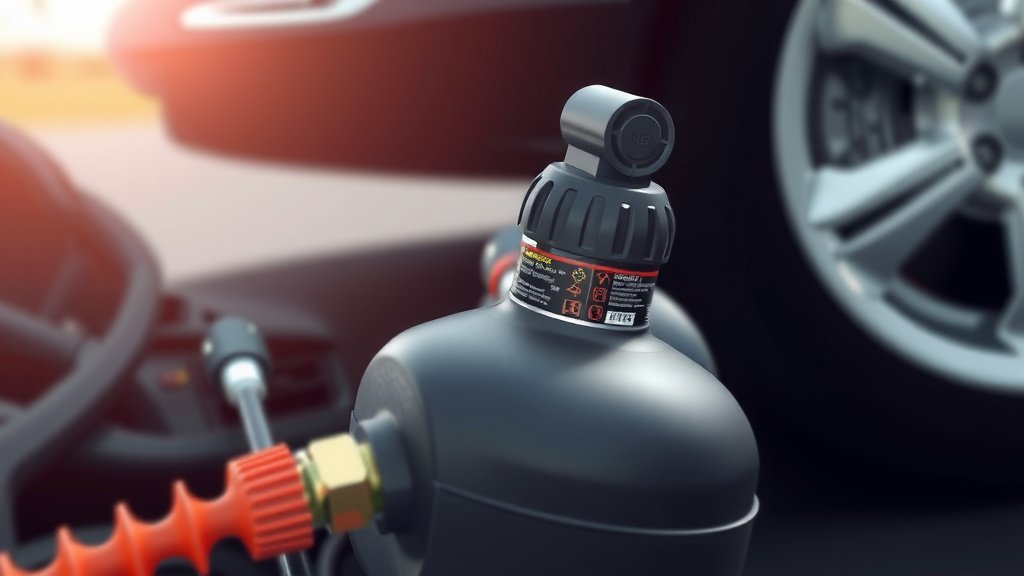
How to Use a Car Air Compressor: A Step-by-Step Guide
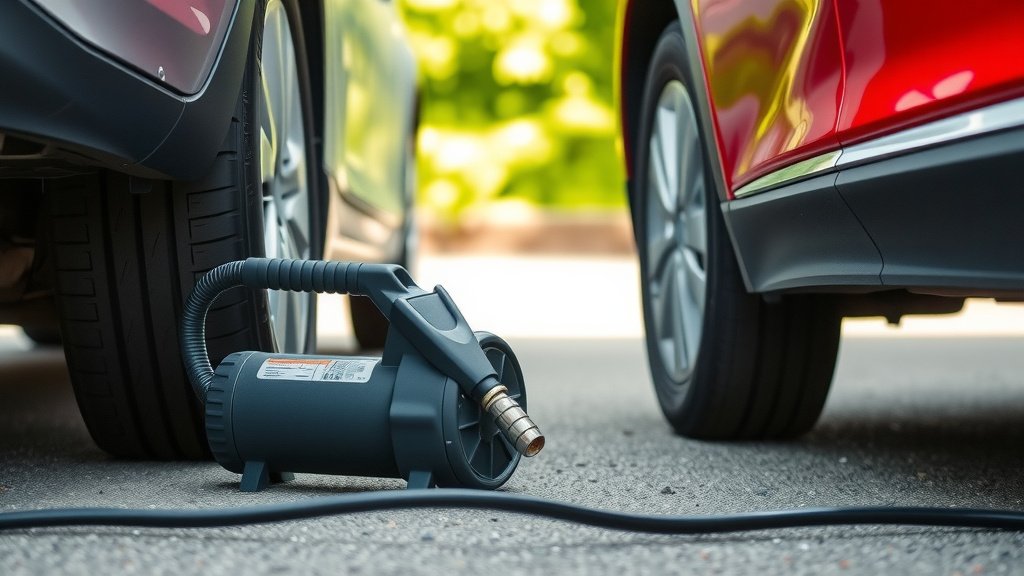
Using a car air compressor is a straightforward process to **inflate your tires** when they’re low. You’ll simply connect the compressor’s hose to your tire’s valve stem, turn on the device, and monitor the pressure gauge. It’s a handy tool that can **save you time and money** by keeping your tires properly inflated. For quick tasks like inflating tires, a 1-gallon vs 2-gallon air compressor comparison can help you choose the right size.
Many drivers find themselves needing to top off their tires more often than they think. Low tire pressure can affect your **car’s handling and fuel efficiency**. Having a car air compressor readily available means you can address these issues quickly, right from your driveway or a parking lot.
- Connect the hose to your tire valve.
- Turn on the compressor.
- Watch the pressure gauge.
- Inflate to the recommended PSI.
- Disconnect and check again.
Ready to get your tires back in shape? Let’s walk through exactly how to use your car air compressor step by step.
Getting Your Tires Inflated with a Car Air Compressor
Using a car air compressor is a lifesaver when your tire pressure dips. We’ll guide you through each step to ensure you can get your tires back to their optimal **PSI (pounds per square inch)**. It’s easier than you might think!
Preparing to Use Your Car Air Compressor
Before you even plug in your compressor, a little prep work goes a long way. You want to make sure you have everything you need and understand your car’s requirements.
Finding Your Tire’s Recommended PSI
This is the most critical piece of information. Your car has a specific PSI recommendation for its tires. You won’t find this on the tire itself. Instead, look for a sticker inside your driver’s side doorjamb. It might also be in your owner’s manual. This sticker lists the recommended cold tire inflation pressure. Don’t guess this number; using the wrong PSI can affect your car’s performance and safety (National Highway Traffic Safety Administration).
Gathering Your Tools and Supplies
Most car air compressors are fairly self-contained. However, you’ll want to ensure you have a few things handy:
- Your car air compressor.
- Your car’s owner’s manual or the tire pressure sticker.
- A tire pressure gauge. While many compressors have a built-in gauge, a separate one is always good for a double-check.
- Gloves (optional, if you prefer not to get your hands dirty).
Step-by-Step Guide to Inflating Your Tires
Now that you’re prepared, let’s get those tires filled up. It’s a process that takes just a few minutes per tire.
Step 1: Connect the Compressor to Power
Most portable car air compressors plug into your car’s 12V accessory outlet (the cigarette lighter port). Others might have battery clips that connect directly to your car’s battery. Ensure the compressor is turned off before connecting it to power. This prevents any accidental surges.
Step 2: Remove the Tire Valve Cap
Locate the valve stem on your tire. It’s a small, black, rubber or metal protrusion. Unscrew the small cap on top of the valve stem. Keep this cap somewhere safe, like your pocket, so you don’t lose it. This cap protects the valve from dirt and debris.
Step 3: Attach the Compressor Hose to the Valve Stem
Your air compressor will have a hose with a connector on the end. This connector is designed to fit snugly onto the tire’s valve stem. Most connectors have a lever or a screw-on mechanism. Push the connector firmly onto the valve stem and secure it according to the compressor’s design. You might hear a faint hiss of air as you connect it; this is normal.
Checking for Leaks
After attaching the hose, listen for any significant air leaks. If you hear a loud hissing sound, the connection might not be secure. Detach the hose and reattach it, ensuring a tight seal. A small, brief hiss when connecting is usually okay.
Step 4: Turn On the Air Compressor
Once the hose is securely connected, turn on the air compressor. You’ll hear the motor start up and begin pumping air into your tire. Many compressors have a gauge that will start showing the current tire pressure.
Step 5: Monitor the Tire Pressure
Keep a close eye on the pressure gauge. Compare the reading to your car’s recommended PSI. If your compressor has an automatic shut-off feature, you can set it to your desired PSI. If not, you’ll need to monitor it manually. Inflate until you reach the target pressure.
Understanding Tire Pressure Readings
Tire pressure can fluctuate with temperature. For the most accurate reading, check your tires when they are cold. This means the car hasn’t been driven for at least three hours, or only for a mile or two at low speed. Cold tire pressure is the most reliable measure (U.S. Department of Transportation).
Step 6: Turn Off the Compressor and Detach the Hose
Once you’ve reached the correct PSI, turn off the air compressor. Then, quickly detach the hose from the tire valve stem. You may hear a small puff of air as you disconnect. This is normal and generally doesn’t affect the pressure significantly.
Step 7: Replace the Valve Cap
Screw the valve cap back onto the valve stem. This is an important step to keep the valve clean and protected. Ensure it’s snug, but don’t overtighten it.
Step 8: Check Pressure in All Tires
Repeat these steps for all four tires. It’s also a good idea to check your spare tire periodically, as it might not get the same attention as your regular tires.
Tips for Effective Tire Inflation
A few extra pointers can make your tire inflation experience smoother and more effective.
Don’t Over-Inflate
It’s tempting to add a little extra air, but over-inflating can be just as bad as under-inflating. Over-inflated tires can lead to a rougher ride, reduced traction, and uneven tire wear. If you accidentally over-inflate, you can release a little air by pressing the center pin inside the valve stem with the tip of a small screwdriver or the back of the valve cap tool. Do this in short bursts and re-check the pressure.
When to Use Your Compressor
It’s a good idea to check your tire pressure at least once a month, and especially before long road trips. Low tire pressure can decrease your fuel efficiency by up to 3% (U.S. Department of Energy). Keeping your tires properly inflated also helps them last longer.
Understanding Compressor Gauges
Compressor gauges can vary in accuracy. If your compressor’s gauge seems a bit off, or if you’re being very precise, use a reliable standalone tire pressure gauge for confirmation. Many experts recommend checking your tires with a gauge that reads in increments of 0.5 or 1 PSI for the most accurate results.
Here’s a quick checklist to keep handy:
- Confirm your car’s recommended PSI.
- Ensure compressor is off before connecting power.
- Securely attach the hose to the valve stem.
- Monitor the pressure gauge closely.
- Turn off the compressor once target PSI is reached.
- Replace the valve cap immediately after use.
Conclusion
You’re now equipped to confidently use your car air compressor. Remember, properly inflated tires mean better fuel efficiency and a safer drive. By following these simple steps, you can easily maintain optimal tire pressure right at home. Make checking your tires a regular habit – perhaps once a month or before any long journey. Keep that compressor handy; it’s a small tool that makes a big difference for your vehicle’s performance and your peace of mind on the road.
Frequently Asked Questions
How often should I check my tire pressure?
It’s a good practice to check your tire pressure at least once a month. You should also check them before embarking on long road trips. This simple habit helps ensure your tires are always at the recommended PSI for safety and efficiency.
Can I use a car air compressor on bicycle tires or other inflatables?
Many car air compressors come with different nozzle attachments. You can often use them for bicycle tires, sports balls, or other inflatable items. Just make sure you have the correct adapter for the valve type.
What should I do if my compressor’s gauge seems inaccurate?
Compressor gauges can vary in precision. If you’re unsure about the reading, it’s best to use a separate, reliable tire pressure gauge for a double-check. This ensures you’re inflating to the exact PSI your car requires.
My compressor has an auto-shutoff feature. How do I use it?
If your compressor has an auto-shutoff, you’ll typically set your desired PSI before you start inflating. The compressor will then automatically stop once that pressure is reached. This feature is great for preventing over-inflation and ensuring accuracy.
What if I accidentally over-inflate my tire?
Don’t worry if you slightly over-inflate your tire. You can easily release a bit of air by pressing down on the small pin in the center of the valve stem with a small tool. Do this in short bursts and re-check the pressure with your gauge until it’s correct.