How to Air Up a Tire with an Air Compressor
You can absolutely air up a tire with an air compressor yourself. It’s a straightforward process that helps keep your tires properly inflated for safer driving and better gas mileage. Most portable air compressors connect directly to your car’s 12-volt outlet, making it convenient for roadside fixes or regular maintenance.
Maintaining the correct tire pressure is vital for your vehicle’s performance and longevity. Underinflated tires can lead to poor handling and increased wear, while overinflated ones can cause a bumpy ride and uneven tire wear. We found that regularly checking and adjusting your tire pressure is one of the easiest ways to save money on gas and prevent premature tire replacement.
- Find the recommended tire pressure for your vehicle.
- Gather your air compressor and a tire pressure gauge.
- Connect the compressor hose to the tire valve stem.
- Inflate the tire in short bursts, checking pressure frequently.
- Ensure tires are inflated to the recommended PSI.
Ready to get your tires back to the perfect pressure? Let’s walk through exactly how to use an air compressor to get the job done right.
Inflating Your Tires with an Air Compressor: A Step-by-Step Guide
Using an air compressor to inflate your tires is a skill every driver should have. It’s not complicated at all! Many portable compressors are designed for ease of use. You can handle this yourself, saving time and money. We’ve broken down the process to make it super simple for you.
What You’ll Need to Get Started
Before you begin, make sure you have everything ready. Having your tools at hand makes the job much smoother. You don’t want to be searching for something mid-inflation!
Your Air Compressor and its Attachments
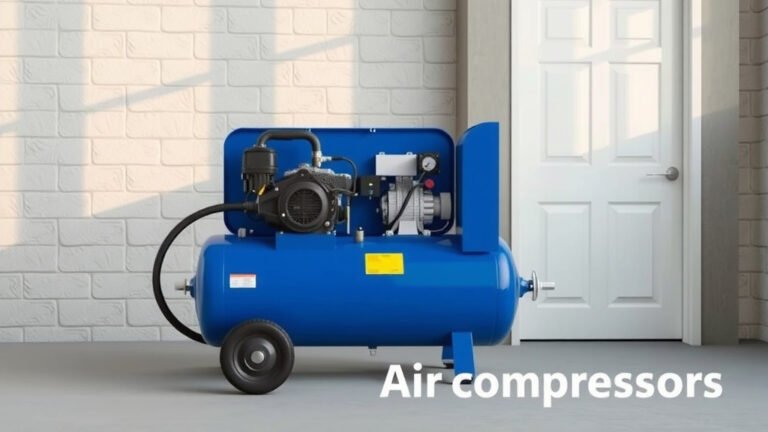
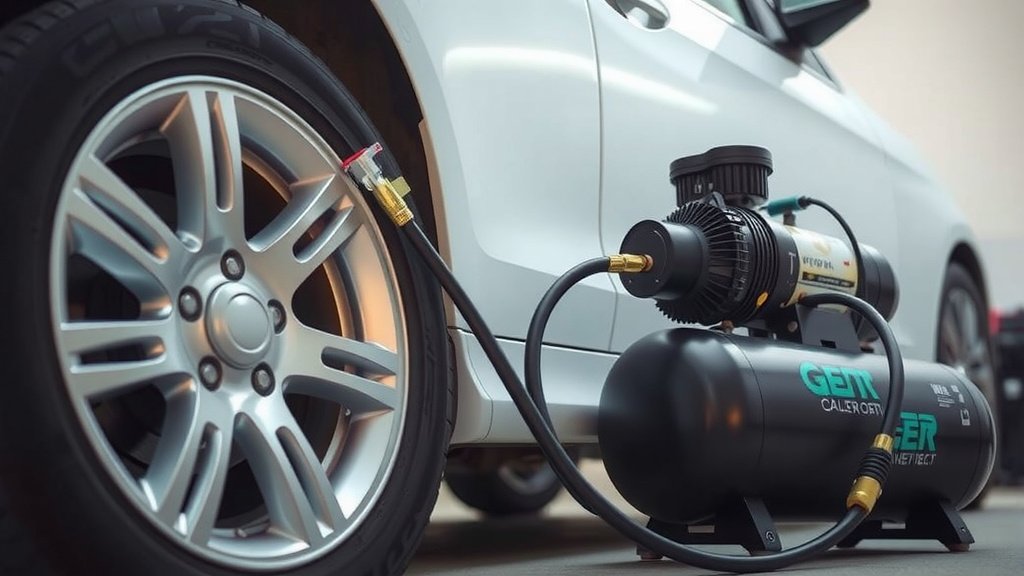
Most portable air compressors plug into your car’s 12-volt power outlet. This makes them incredibly convenient for roadside emergencies or regular top-offs. Check to ensure the compressor has a working power cord and a hose with a tire chuck. The chuck is the part that attaches to your tire’s valve stem. Some come with different nozzles, but for tires, you’ll want the one specifically for Schrader valves, which is standard on most cars.
A Reliable Tire Pressure Gauge
While many compressors have a built-in gauge, it’s always a good idea to have a separate, accurate tire pressure gauge. Sometimes, the built-in gauges can be a little off. We found that using a separate digital or good quality analog gauge gives you the most reliable reading. This is key to getting the pressure just right.
Knowing Your Target Tire Pressure
This is super important! You need to know the recommended PSI (pounds per square inch) for your specific vehicle. Where can you find this information? Look for a sticker on the driver’s side doorjamb. It’s often inside the fuel filler door or in your car’s owner’s manual. Never use the PSI listed on the tire’s sidewall; that number is the maximum pressure the tire can hold, not the recommended operating pressure for your car (Federal Highway Administration).
Locating Your Tire’s Valve Stem
The valve stem is that small, black or metal stem sticking out of your wheel rim. It’s where you add air. You might find that your valve caps are a bit stuck. Give them a gentle twist to loosen them. Keep these caps safe; they help keep dirt and moisture out of the valve core.
Connecting the Air Compressor to Your Tire
Now for the action! First, make sure your car’s engine is running if you’re using a 12-volt compressor. This provides the power. Take the hose from your air compressor and firmly press the tire chuck onto the valve stem. You should hear a slight hiss of air escaping as you connect it, and then it should stop once the seal is made. If you hear a constant stream of air, the connection isn’t secure. Try pressing it on more firmly or adjusting the angle.
Using the Compressor’s Built-in Gauge (If Applicable)
If your compressor has a gauge, you can watch it as you inflate. However, remember our earlier point about accuracy. It’s a good starting point, but don’t rely on it solely for the final reading.
Using Your Separate Tire Pressure Gauge
After a short burst of air from the compressor, detach the chuck and quickly attach your separate tire pressure gauge. Press it firmly onto the valve stem. Read the pressure displayed. If you don’t have a separate gauge, you’ll just have to trust the compressor’s gauge for now.
Inflating Your Tire Safely and Effectively
This is where patience pays off. You don’t want to just blast air into the tire and walk away. It’s all about checking and adjusting.
Inflating in Short Bursts
Press the trigger or turn on the compressor for just a few seconds at a time. This adds a small amount of air. After each short burst, remove the compressor chuck and check the tire pressure with your gauge. We found this approach prevents overinflation and gives you much better control.
Monitoring the Pressure Closely
Add air, check pressure, add air, check pressure. Repeat this cycle until you get close to the recommended PSI. It might seem a bit tedious, but it’s the best way to ensure you don’t go over the target. It’s much easier to add a little more air than it is to let air out and start over.
What If You Overinflate?
Don’t panic if you add a little too much air. Most tire chucks have a small button or lever that allows you to release air. You can also use your tire pressure gauge to let air out. Just press the gauge firmly onto the valve stem and you’ll hear air escaping. Let a little out at a time, then re-check your pressure with the gauge.
Final Check and What to Do Next
Once you’ve reached the target PSI, give the tire one last check with your reliable gauge. Ensure the valve stem cap is screwed back on tightly. Repeat the entire process for any other tires that need air. It’s a good practice to check your tire pressure at least once a month, and especially before long trips. Properly inflated tires not only improve your car’s fuel efficiency but also contribute to safer handling and a longer lifespan for your tires (National Highway Traffic Safety Administration).
Here’s a quick checklist to keep handy:
- Verify your car’s recommended tire pressure.
- Plug in your air compressor.
- Connect the hose securely to the valve stem.
- Inflate in short bursts.
- Check pressure frequently with your gauge.
- Remove compressor and replace valve cap.
Conclusion
You’ve now learned how simple it is to air up your tires using an air compressor. Properly inflated tires are key for your safety and your car’s performance. We’ve walked through finding your recommended PSI, connecting the compressor, and inflating step-by-step. Remember to check your tire pressure regularly, ideally once a month. Take control of your tire maintenance; it’s an easy way to save money on gas and extend the life of your tires. Your next step? Grab your compressor and give your tires the attention they deserve!
Frequently Asked Questions
How do I know if my air compressor is powerful enough to inflate my tires?
Most portable 12-volt air compressors designed for car tires are sufficient for topping them off. If you need to inflate a completely flat tire rapidly, look for a compressor with a higher CFM (cubic feet per minute) rating. We found that most standard models work just fine for regular inflation needs.
Can I leave the air compressor running unattended while inflating?
No, it’s best not to leave the air compressor running unattended. You need to monitor the pressure closely, especially when using short bursts. This prevents overinflation, which can be harmful to your tires. Always stay with your vehicle during the inflation process.
What’s the difference between the PSI on the tire sidewall and my car’s recommended PSI?
The PSI on the tire sidewall is the maximum pressure the tire can safely hold, not the recommended operating pressure for your specific vehicle. Your car’s recommended PSI is usually found on a sticker in the driver’s side doorjamb and is what you should aim for. Using the maximum PSI can lead to a harsh ride and uneven wear.
My air compressor gauge shows a different reading than my separate gauge. Which one should I trust?
We recommend trusting your separate, dedicated tire pressure gauge. Built-in gauges on compressors can sometimes be less accurate. It’s always a good practice to have a reliable standalone gauge. Use your compressor’s gauge as a guide, but confirm with your trusted gauge for the final reading.
How often should I check my tire pressure?
You should check your tire pressure at least once a month. It’s also wise to check them before any long road trips. Temperature fluctuations can affect tire pressure, so checking regularly ensures they are always at the optimal PSI for safety and efficiency.