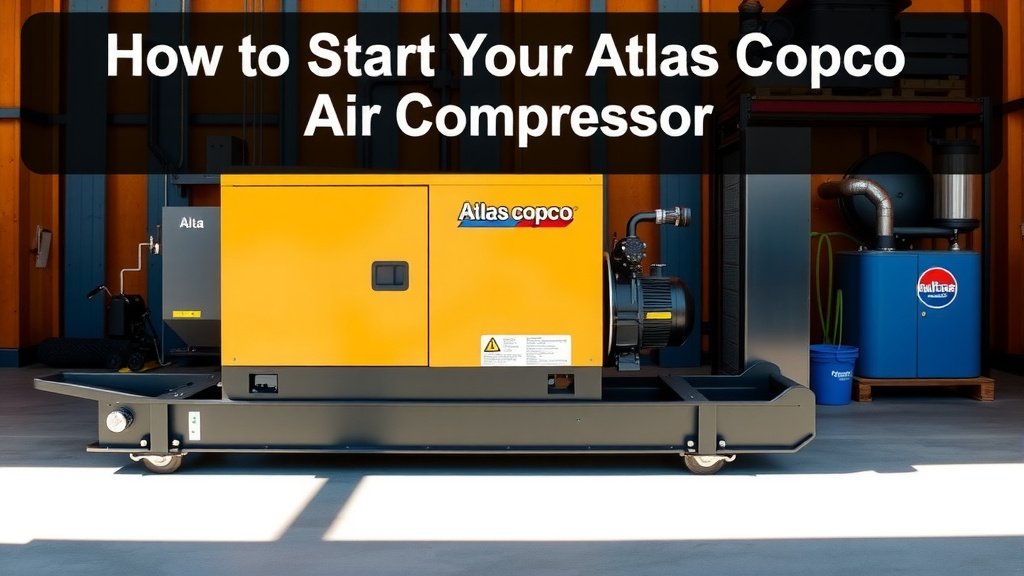
How to Start Your Atlas Copco Air Compressor
Starting your Atlas Copco air compressor is usually a straightforward process, often involving a few key steps like ensuring power supply and engaging the correct start sequence. Most models require you to check the power source and then press the start button. Always consult your specific model’s manual for the most precise instructions to avoid any hiccups.
Understanding the basic operational sequence can save you time and potential trouble. Before you hit that start button, it’s wise to confirm your compressor has adequate ventilation and is free from obstructions. Many users find that a quick visual check prevents common startup issues, ensuring your compressed air is ready when you need it.
- Check power and safety measures.
- Locate the start button.
- Press the button to initiate startup.
- Consult your manual for model-specific details.
We’ve gathered the essential information to guide you through starting your Atlas Copco air compressor. Let’s walk through the process step by step.
Getting Your Atlas Copco Air Compressor Up and Running
Starting your Atlas Copco air compressor can feel like a big step, but it’s often simpler than you think. We’ll walk you through the common steps to get your compressor running smoothly. Most models follow a similar pattern, focusing on safety and a clear start sequence. Let’s make sure you’re ready to go.
Pre-Startup Checks: Setting the Stage for Success
Before you even think about pressing a button, a few quick checks can prevent headaches later. Think of this like looking for your keys before you leave the house – a small step that saves a lot of hassle.
Ensuring Proper Power Supply
The most basic requirement is a reliable power source. Your compressor needs the right voltage and amperage to start and run without issues. Check the power cord and the outlet. Are they in good condition? Is the circuit breaker properly rated? We found that using an extension cord that’s too long or too thin can sometimes cause power problems.
Ventilation: Giving Your Compressor Room to Breathe
Air compressors generate heat, and they need space to dissipate it. Ensure there’s adequate clearance around your unit. The manual for your specific model will detail the recommended space. For instance, many manufacturers suggest at least 18 inches of clear space on all sides. Proper ventilation helps prevent overheating, which can shorten the lifespan of your equipment.
Visual Inspection: A Quick Once-Over
Take a moment to look over the compressor. Are there any loose parts? Is anything visibly damaged? Check the air intake filter – is it clean? A clogged filter can restrict airflow and make the compressor work harder. This simple visual check is a good habit to adopt. Many minor issues can be spotted and fixed before they become major problems.
Locating Key Controls and Indicators
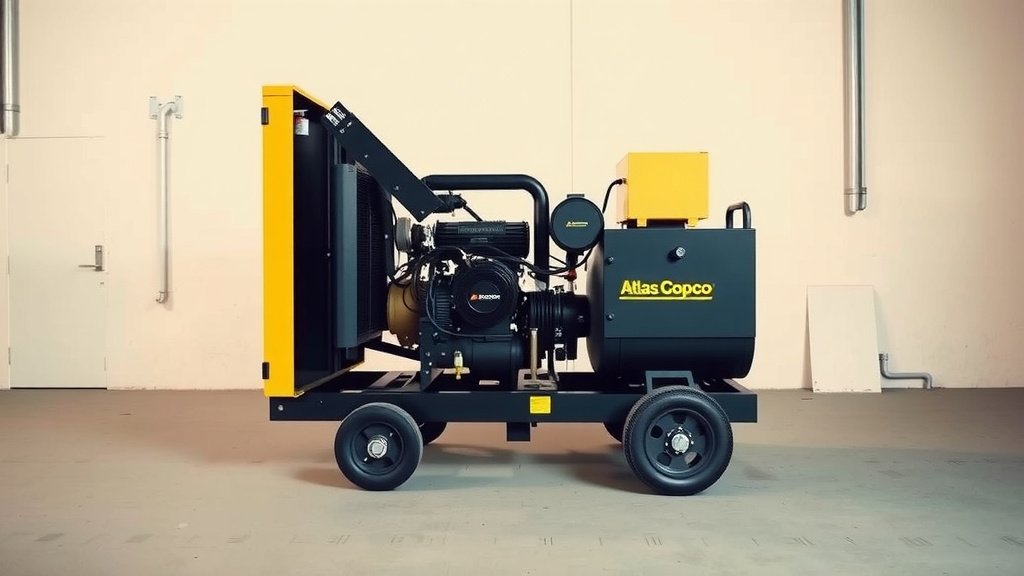
Atlas Copco compressors typically have a control panel that makes starting straightforward. Finding the right buttons is key.
The Control Panel Explained
Most Atlas Copco models feature a control panel, often with a display screen or indicator lights. This panel is your command center. You’ll find the buttons you need here. It’s designed to be user-friendly, even if you’re new to air compressors.
Finding the Start Button
The start button is usually clearly marked, often with a green color or an icon that looks like a power symbol. It’s typically a physical button you press. On some digital panels, you might need to navigate a menu to find the start command. Always refer to your user manual if you’re unsure.
Understanding Indicator Lights
Pay attention to any indicator lights. A green light often signifies normal operation or readiness. Yellow or red lights usually indicate a fault or a warning. Knowing what these lights mean can help you troubleshoot if something isn’t quite right. We found that the manual is the best resource for understanding specific light codes.
The Step-by-Step Startup Sequence
With your pre-startup checks complete and controls identified, you’re ready to initiate the startup process. Let’s break it down.
Step 1: Powering On
Once you’ve confirmed power is available and safe, the first step is usually to energize the compressor. This might involve flipping a main power switch or ensuring the control panel is powered. If your unit has a main disconnect switch, make sure it’s in the “on” position.
Step 2: Engaging the Start Command
Now, locate that start button we talked about. Press it firmly. You should hear the compressor motor begin to engage. It might take a few seconds for the compressor to build up initial pressure and reach its operating speed. Resist the urge to press it multiple times if nothing happens immediately.
Step 3: Monitoring Initial Operation
Listen to the compressor as it starts. Does it sound normal? Are there any strange noises? Watch the pressure gauge – it should start to climb. Observe the indicator lights on the control panel. If everything is functioning as expected, the compressor will continue to run and build pressure. This phase is critical for ensuring everything is working in harmony.
Model-Specific Considerations and Manuals
While the general steps are similar, Atlas Copco offers a wide range of models, from small portable units to large industrial systems. Your specific model might have unique features or startup procedures.
Why Your Manual is Your Best Friend
We cannot stress this enough: always consult your owner’s manual. It’s the definitive guide for your specific compressor. It will detail things like proper oil levels (if applicable), any initial setup required, and any model-specific start-up sequences. For example, some advanced models might require you to set operating parameters before starting. The manual provides these precise details.
Common Variations to Expect
Some models might have an auto-start feature that engages when pressure drops below a certain point. Others might have a soft-start function to reduce the initial electrical load. Understanding these variations ensures you’re using your compressor correctly and efficiently. A quick scan of the “Operation” or “Startup” section of your manual is time well spent.
A Quick Startup Checklist
To make your next startup even smoother, keep this checklist handy:
- Confirm adequate ventilation is available.
- Check that the power source is stable and correct.
- Visually inspect the compressor for any obvious issues.
- Locate the start button and ensure the control panel is active.
- Press the start button and listen for normal operation.
- Monitor pressure gauges and indicator lights.
Conclusion
You’ve now got a clear roadmap for starting your Atlas Copco air compressor. Remember, the core steps involve ensuring a safe power supply, checking your surroundings for good ventilation, and then locating and pressing that start button. Your owner’s manual remains your ultimate guide for any model-specific quirks.
By following these checks and procedures, you’re setting yourself up for efficient operation and a longer lifespan for your equipment. So, take that next step with confidence – your compressed air is ready when you are!
Frequently Asked Questions
What if my Atlas Copco air compressor doesn’t start when I press the button?
First, double-check that the compressor is properly plugged into a working power outlet and that the main power switch is on. If you’re using an extension cord, ensure it’s rated for the compressor’s power draw and is not too long.
How important is ventilation when starting an air compressor?
Ventilation is very important. Compressors generate heat as they run, and they need space to dissipate it effectively. Insufficient airflow can lead to overheating, which can damage the compressor and reduce its performance.
Can I use a standard household extension cord to start my Atlas Copco compressor?
It’s generally not recommended. Standard household extension cords may not be heavy-duty enough for an air compressor, potentially causing voltage drops or overheating. Always use an extension cord specifically rated for the amperage requirements of your compressor.
What do the different indicator lights on the control panel typically mean?
Indicator lights are designed to provide quick status updates. A green light usually means everything is normal and ready to go. Red or yellow lights often signal a fault, a warning, or a maintenance reminder, so it’s wise to check your manual if you see one.
Do I need to check the oil level before starting my Atlas Copco air compressor?
For models that require oil, yes, checking the oil level is a crucial pre-start step. Low oil levels can cause serious damage to the compressor’s motor. Always refer to your specific model’s manual for the correct oil type and fill level.