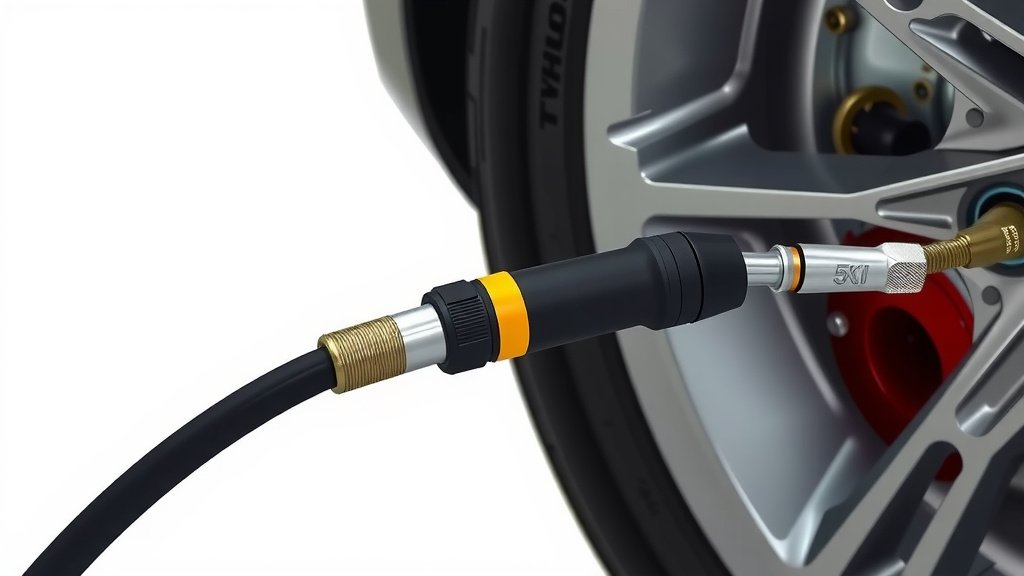
Connect Tire Inflator to Air Compressor Easily
Attaching a tire inflator to your air compressor is a straightforward process. Most tire inflators connect using a standard chuck that simply pushes onto your compressor’s air hose fitting. Ensure the connection is secure to prevent air leaks.
Having the right setup makes inflating tires much easier. You’ll want to be sure your air compressor has the correct air hose fitting. Many inflator chucks are designed for a quick, tool-free connection. We found that a snug fit is key for efficiency.
- Connect the inflator chuck to the air hose.
- Ensure a tight seal to avoid leaks.
- Check your compressor’s output fitting.
- Inflator chucks vary, but most are universal.
Ready to get that tire pressure just right? Let’s walk through how to connect your tire inflator to your air compressor step by step.
So, you’ve got your air compressor ready to go, and you’re looking to top off your tires. It might seem a bit daunting if you’ve never done it before, but attaching a tire inflator to your air compressor is much simpler than you think. It’s really about making sure you have the right connections and a good seal. Let’s get you set up!
Connecting Your Tire Inflator to an Air Compressor
Attaching your tire inflator to an air compressor is typically a tool-free task. You’re looking for a secure connection to get the most out of your compressor. The process focuses on mating the correct fittings and ensuring there are no leaks.
Understanding Your Air Compressor’s Hose Fitting
Before you can connect anything, you need to know what you’re working with. Your air compressor has an air hose that ends with a specific fitting. This fitting is what the tire inflator’s chuck will connect to. Most home compressors use a common fitting size, often a 1/4-inch Industrial or Automotive style. You can usually tell by looking at the end of the hose.
Common Air Hose Fitting Types
There are a few common types of air hose fittings you might encounter. The most prevalent for DIY use are the Industrial (I/M) and Automotive (A/M) styles. They look quite similar. You’ll see a body with one or two “petals” or locking sections that grip the male plug on your tool.
We found that many inflator chucks are designed to work with the most common fitting types. If your compressor hose has a quick-connect coupler, it’s usually designed to accept these standard male plugs easily. It’s like plugging in a USB drive – it’s meant to be straightforward.
The Tire Inflator Chuck: Your Connection Point
The tire inflator itself has a part called a chuck. This is the business end that attaches to your tire’s valve stem, but it also has a fitting to connect to your air hose. Most tire inflator chucks come with a built-in male plug that is designed to fit into your air compressor’s female coupler.
Types of Tire Inflator Chucks
You’ll generally find two main types of chucks on tire inflators:
- Locking Chucks: These have a mechanism that you can clamp down or push to secure them onto the air hose fitting. They provide a very positive connection and are less likely to pop off. Many have a lever you flip.
- Push-On or Clip-On Chucks: These are simpler. You just push the chuck onto the fitting, and it stays in place. Some might have a spring-loaded mechanism to hold them.
We’ve seen that many modern inflators come with a locking chuck, which often makes for a more reliable connection. It’s a bit like locking a suitcase zipper – it gives you extra peace of mind.
Step-by-Step Connection Guide
Now for the actual connection. It’s a quick process, designed to get you inflating in no time. Remember to ensure your air compressor is turned off and depressurized before you begin connecting or disconnecting anything.
1. Inspect Your Fittings
Take a quick look at both the end of your air compressor hose and the fitting on your tire inflator. Make sure they look clean and free from debris. A little bit of dirt can sometimes prevent a good seal. You don’t need fancy tools for this; a quick visual check is usually enough.
2. Connect the Chuck to the Air Hose
If you have a locking chuck, you might need to pull back a collar or flip a lever on the chuck first. Then, align the male plug on the inflator chuck with the female coupler on your air hose. Push it in firmly. If it’s a locking type, secure the collar or lever. For a push-on type, just give it a good, solid push.
You should hear a distinct “click” or feel a firm engagement. We found that a snug fit means you’re ready to go. If it feels loose or wobbly, try wiggling it slightly or ensuring it’s pushed in all the way. A loose connection is a recipe for air leaks.
3. Test for Leaks
Once connected, it’s wise to do a quick leak test. Turn on your air compressor briefly. You should *not* hear any hissing sounds from the connection point. If you do hear air escaping, disconnect and try re-connecting, ensuring the chuck is fully seated and locked.
Some minor initial air release when connecting is normal, but once connected and the compressor is running, you want a silent connection. You can also use a little soapy water around the connection point; bubbles will indicate a leak. Many users find this simple test saves them a lot of frustration.
What If the Fittings Don’t Match?
Sometimes, you might run into a situation where your tire inflator’s fitting doesn’t quite match your air compressor’s hose coupler. Don’t panic! This is a common scenario, and there’s usually an easy fix.
Using Adapters
The most straightforward solution is an adapter. You can find adapters that convert one type of fitting to another. For example, you can get an adapter that takes a 1/4-inch Industrial plug and makes it compatible with a different style of coupler. We found that hardware stores and automotive supply shops have a wide selection of these. Make sure to get an adapter that matches the *type* and *size* of your existing fittings.
Replacing the Hose Fitting
In some cases, if your compressor hose fitting is old or damaged, or if you consistently run into compatibility issues, you might consider replacing the fitting on the hose itself. This is a bit more involved and might require a wrench, but it ensures a permanent solution. You’d simply unscrew the old fitting and screw on a new one of the desired type.
We advise checking your air compressor’s manual or looking up its specifications to be sure about the original fitting type if you plan on replacing it. Getting the correct replacement fitting is key here.
Here’s a quick checklist to make sure you’ve got it right:
- Confirm your compressor hose fitting type.
- Check your tire inflator chuck type.
- Ensure both fittings are clean.
- Connect firmly, listening for a secure “click.”
- Test the connection for air leaks.
- Have adapters handy if needed.
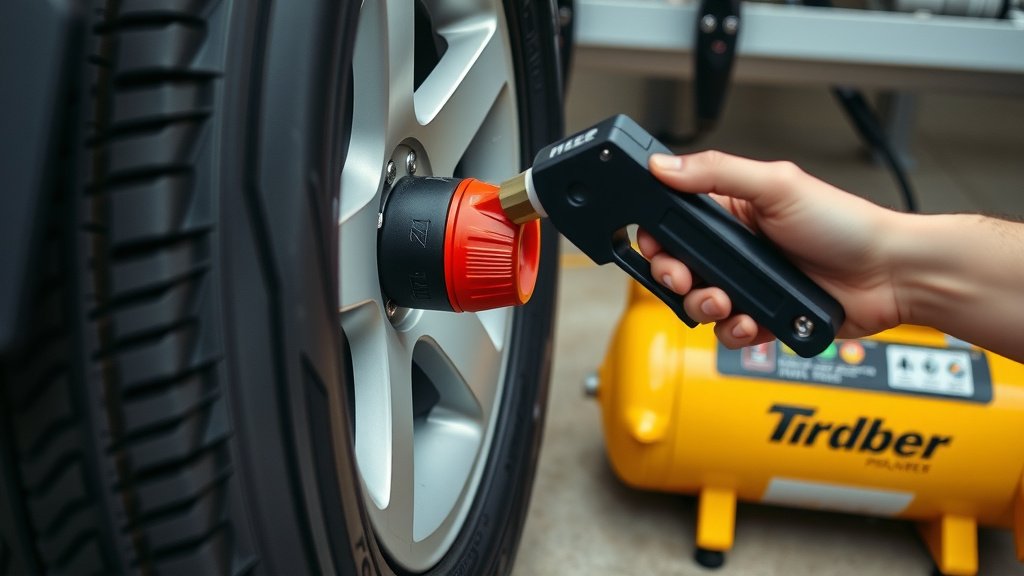
Conclusion
Connecting your tire inflator to an air compressor is a straightforward task once you understand the fittings involved. By identifying your compressor’s hose coupler and your inflator’s chuck type, you can achieve a secure, leak-free connection. Remember to always check for a tight seal and test for leaks before inflating. If you encounter mismatched fittings, simple adapters are readily available. Now you’re equipped to easily maintain your tire pressure and keep your vehicle running smoothly. Go ahead and get that tire pressure perfect!
Frequently Asked Questions
What if my air compressor hose doesn’t fit my tire inflator?
Don’t worry if your fittings don’t match right away. The easiest solution is to use an adapter. You can find adapters at hardware or auto parts stores that convert one fitting type to another. Make sure to get an adapter that matches the size and type of your existing fittings.
How do I know if I have a good seal between the inflator and the hose?
A good seal is crucial to prevent air loss. You should hear a distinct “click” or feel a firm engagement when you connect the chuck. After connecting, turn on your compressor briefly and listen for any hissing sounds. If you hear air escaping, disconnect and try re-connecting to ensure it’s fully seated and locked.
Can I use my tire inflator with any air compressor?
Generally, yes, as long as you have the correct fittings or adapters. Most tire inflators use standard chucks designed for common air compressor hose fittings like 1/4-inch Industrial or Automotive styles. Compatibility is usually achieved through these standard connections or the use of adapters.
Do I need tools to connect my tire inflator to an air compressor?
In most cases, no tools are required. Tire inflators are designed for a quick, tool-free connection. The chuck on the inflator typically has a male plug that inserts directly into the female coupler on your air hose. Locking chucks might have a lever, but no tools are needed.
What is the best type of chuck for connecting to an air hose?
Locking chucks are generally preferred for a more secure connection. These have a mechanism, often a lever, that clamps onto the air hose fitting. They are less likely to detach accidentally during use compared to simple push-on chucks, giving you more confidence in the connection.