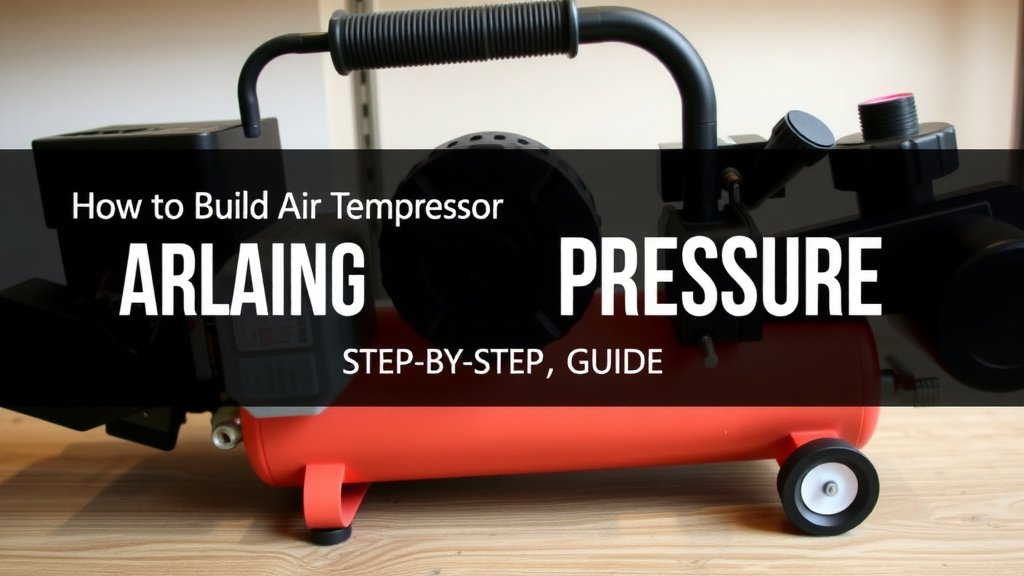
How to Build Air Compressor Pressure: A Step-by-Step Guide
Building air compressor pressure involves checking for leaks, ensuring the intake filter is clean, and verifying the drain valve is fully closed. These steps are essential to capture and maintain the air your compressor generates, so you can actually use its power.
Many factors can affect how well your air compressor builds pressure. Sometimes, it’s a simple fix like a loose hose. Other times, it might be an issue with internal components that need attention. We found that regular maintenance is your best friend here.
- Check for air leaks in hoses and connections.
- Clean or replace the air intake filter.
- Make sure the drain valve is shut tight.
- Inspect the pressure relief valve for proper function.
Let’s walk through exactly how to get your air compressor building pressure reliably, step by step.
Getting Your Air Compressor to Build Pressure Effectively
So, your air compressor isn’t building pressure like it used to? Don’t worry, this is a common issue many folks run into. Let’s get it sorted out so you can get back to your projects.
The good news is that most pressure-building problems are fixable with a little bit of detective work and some basic maintenance. We’ve found that focusing on the air’s journey from the inlet to your tool is key. If there’s a hiccup anywhere along that path, pressure won’t build properly.
Checking for Air Leaks: The Silent Pressure Killer
Air leaks are sneaky. They can be small, but they’ll let all your hard-earned pressure escape before you can use it. Think of it like trying to fill a leaky balloon – it just won’t hold air.
Where to Look for Leaks
You need to be thorough here. Start with the obvious places. Check your air hose for any cracks or splits. Sometimes, a worn-out hose is the culprit. Also, pay close attention to all the fittings and connections. Are they snug? A loose fitting is an open invitation for air to get out.
How to Find Those Elusive Leaks
A simple trick that works wonders is using soapy water. Mix up some dish soap and water in a spray bottle. Then, with the compressor running and building pressure, spray the solution over all the connections, hoses, and fittings. If you see bubbles forming, that’s where your leak is. Mark it and fix it!
Fixing What You Find
For hose leaks, you might need to replace the entire hose if the damage is significant. For fitting leaks, often just tightening them up does the trick. If a fitting is damaged, you might need to replace it. Many experts recommend using Teflon tape on threaded connections to ensure a good seal.
The Importance of a Clean Air Intake Filter
Your air compressor needs to breathe! The air intake filter is like its nose. If it’s clogged, it can’t pull in air efficiently. This directly impacts how well and how quickly it can build pressure.
Why a Dirty Filter Matters
A dirty filter restricts airflow. This forces the compressor’s motor to work harder. It can also lead to overheating and reduced performance. We found that a clogged filter is one of the most common reasons for slow pressure buildup (Campbell Hausfeld).
Inspecting and Cleaning Your Filter
Most air compressors have an easily accessible air intake filter. Consult your owner’s manual if you’re unsure. You’ll usually just need to unscrew or unclip a cover. Carefully remove the filter. If it looks dirty, dusty, or oily, it needs attention. Many filters can be cleaned by tapping out the dust or using compressed air. However, if it’s heavily soiled, replacement is often the best option.
When to Replace the Filter
Think of your filter like a coffee filter. Once it’s done its job too many times, it just doesn’t work as well. We’ve found that replacing the filter at least once a year, or more often if you use your compressor in a dusty environment, is a good practice.
Ensuring the Drain Valve is Properly Closed
This might seem basic, but it’s crucial. The drain valve is at the bottom of the air tank. Its job is to let out any water that condenses inside. If it’s not fully closed, you’re letting precious air escape.
Why a Leaky Drain Valve is a Problem
Even a slight opening in the drain valve will cause a constant hiss. This hiss is the sound of your compressor’s pressure escaping. It prevents the tank from reaching its maximum PSI. Many users don’t realize how much air a slightly open valve can release.
How to Check and Close the Valve
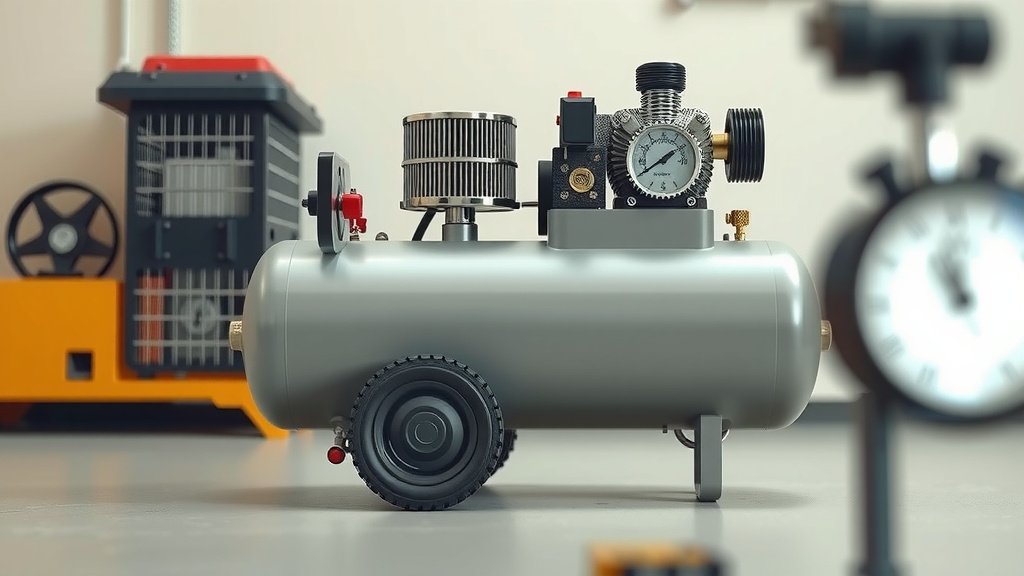
Locate the drain valve at the bottom of your air tank. It usually looks like a spigot or a small ball valve. Make sure it’s turned to the ‘closed’ position. For spigot-style valves, this often means turning the handle perpendicular to the pipe. For ball valves, it means turning the handle parallel to the pipe. Give it a gentle push or turn to ensure it’s snug. Remember to close it *before* you start building pressure.
Other Important Checks for Optimal Pressure
Beyond leaks, filters, and drain valves, a few other components can affect pressure.
The Pressure Relief Valve: A Safety Feature
This valve is a safety device designed to release air if the pressure gets too high. While not a primary cause of *not* building pressure, a faulty relief valve could potentially leak air constantly. If you suspect yours might be faulty, it’s best to consult your manual or a professional. Some can be tested by gently pulling on the ring to ensure it seats properly.
The Unloader Valve: Startup and Shutdown
The unloader valve helps the compressor start up easily by releasing pressure from the head. If this valve isn’t working correctly, it might be releasing pressure even when it shouldn’t be. We found that issues with the unloader valve can sometimes prevent the tank from holding pressure after shutdown or even during operation (Ingersoll Rand).
Checking the Regulator and Hose Connections
Beyond the main hose, check any regulator you’re using and its connections. A faulty regulator or a leak at its inlet or outlet can also cause pressure loss. Ensure all quick-connect fittings are clean and properly seated.
Quick Maintenance Checklist for Better Pressure
Here’s a simple checklist to keep your compressor in top shape:
- Check all hoses and fittings for obvious damage or leaks.
- Test connections with soapy water if you suspect a leak.
- Inspect and clean or replace the air intake filter regularly.
- Ensure the drain valve is completely closed before operating.
- Verify the pressure relief valve isn’t stuck open.
- Keep all connections clean and free of debris.
Conclusion
You’ve learned that building air compressor pressure is all about ensuring a clear path for air. We’ve covered the most common culprits: leaks, clogged intake filters, and open drain valves. Regularly checking these areas will keep your compressor running efficiently. Don’t forget to inspect other components like the pressure relief and unloader valves periodically. The next time your compressor struggles to build pressure, you’ll know exactly where to start your troubleshooting. Take action today by performing a quick check of your drain valve and hoses!
Frequently Asked Questions
How long should my air compressor take to build pressure?
The time it takes can vary depending on your compressor’s size and horsepower. Generally, a healthy compressor should reach its maximum PSI within a few minutes. If yours is taking significantly longer than usual, it’s a good sign to check for leaks or a dirty air filter.
Can a faulty pressure switch stop my compressor from building pressure?
Yes, a faulty pressure switch can absolutely prevent your compressor from building pressure. This switch tells the motor when to turn on and off based on the tank’s pressure. If it’s not functioning correctly, it might not signal the motor to run long enough to build adequate pressure.
What is the role of the check valve in building pressure?
The check valve is essential for holding pressure in the tank. It’s a one-way valve located between the pump and the tank. Its job is to prevent air from flowing back from the tank into the pump when the compressor shuts off, ensuring pressure is maintained.
Is it normal for my air compressor to hiss when it’s building pressure?
A slight hiss from the pump head while it’s actively compressing air can be normal. However, you should not hear any hissing sounds coming from the tank, hoses, or fittings. Persistent hissing elsewhere indicates a leak that needs immediate attention.
What type of lubricant should I use for my air compressor’s pump?
Always refer to your owner’s manual for the specific lubricant recommended for your compressor’s pump. Using the wrong type of oil can lead to poor performance, increased wear, or even damage to the pump. Some compressors are oil-free and do not require any lubrication.