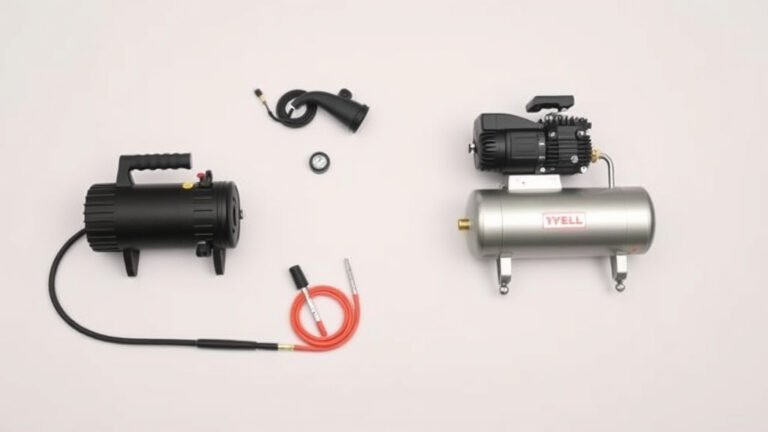
Designing Your Air Compressor: A Step-by-Step Guide
Designing an air compressor involves understanding its core components and how they work together. You’ll need to consider factors like airflow rate, pressure, and the type of compressor mechanism to ensure it meets your specific needs. It’s not just about picking parts; it’s about matching them for optimal performance and efficiency.
Getting the design right from the start saves you headaches later. A well-designed compressor means quieter operation, less energy consumption, and a longer lifespan for your equipment. We’ve found that focusing on a few key principles makes a big difference in the final outcome.
- Know your required CFM and PSI.
- Choose the right compressor type (piston, rotary screw, etc.).
- Select an appropriately sized motor and tank.
- Consider cooling and filtration needs.
Let’s walk through exactly how to approach designing your air compressor, step by step.
Planning Your Air Compressor Design
Designing an air compressor system starts with understanding your exact air needs. This is the most critical step. You can’t build a useful tool without knowing what it’s for. Think about the tools you’ll power and the jobs you’ll do.
Determining Your Airflow and Pressure Requirements
First, figure out how much air you need. This is measured in Cubic Feet per Minute (CFM). CFM tells you the volume of air the compressor must deliver. You also need to know the required pressure, measured in Pounds per Square Inch (PSI).
Many tools list their CFM and PSI needs. For example, a nail gun might need 2 CFM at 90 PSI. If you plan to run multiple tools at once, you’ll need to add up their CFM requirements. Don’t forget to add a buffer for inefficiencies. Many sources suggest adding 25% to 50% extra CFM. This ensures your compressor isn’t constantly running at its limit.
Understanding Compressor Types
There are a few main types of air compressors. Each has its own strengths. Knowing these will help you choose the right mechanism.
Piston Compressors
Piston compressors are very common. They use a piston moving inside a cylinder. This action compresses the air. They are generally good for smaller jobs and intermittent use. Think of them like a bicycle pump.
Rotary Screw Compressors
Rotary screw compressors use two intermeshing screws. These screws trap and compress air. They are known for continuous operation and higher efficiency. You’ll often find these in industrial settings.
Centrifugal Compressors
Centrifugal compressors use a spinning impeller. This impeller accelerates air outwards. It then converts this speed into pressure. These are best for very large volumes of air at lower pressures. They are typically found in massive industrial plants.
Selecting Key Components for Your Design
Once you know your needs and the type of compressor, you can pick the right parts. The motor, tank, and other components must work together harmoniously.
Motor Sizing and Selection
The motor is the heart of your compressor. Its horsepower (HP) needs to match the compressor pump’s demand. A common rule is that a pump needs about 1 HP for every 4-5 CFM it produces at its maximum pressure. Always check the manufacturer’s recommendations.
Consider the type of motor too. Single-phase motors are common for smaller units. Three-phase motors are more efficient and powerful for larger industrial applications. You’ll also want to think about how the motor will be powered – is it electric, gas, or something else?
Air Receiver Tank Considerations
The air receiver tank stores compressed air. It also helps to cool the air and remove moisture. A larger tank means the compressor motor will run less often. This can extend the life of your motor and reduce wear and tear.
A general guideline suggests a tank size of 4 to 6 gallons for every 1 CFM of output. So, if you need 10 CFM, a 40-60 gallon tank would be a good starting point. The tank must also be rated for the maximum pressure your compressor can produce. Safety is key here.
Choosing Valves and Controls
You’ll need several valves and controls. These manage the compressor’s operation. A pressure switch is essential. It turns the motor on and off to maintain your desired pressure range.
You’ll also need a pressure relief valve. This is a safety device. It will release excess pressure if the primary controls fail. An air intake filter is also important. It keeps dust and debris from entering the compressor. We found that a good quality filter can really extend the life of your pump.
Incorporating Cooling and Filtration Systems
Compressed air generates heat. Proper cooling is vital for efficiency and component longevity. Filtration removes contaminants that can damage your tools and the compressor itself.
Cooling Mechanisms
Most smaller compressors use air cooling. This involves fins on the compressor pump. Airflow over these fins dissipates heat. For larger or more continuous-duty compressors, you might need intercoolers and aftercoolers.
An intercooler is placed between compression stages. It cools the air before it goes to the next stage. An aftercooler cools the air after it leaves the compressor. This reduces moisture content. Many experts say that efficient cooling can drastically improve performance (ASHRAE).
Filtration and Draining
You’ll want an air intake filter. This protects the compressor from dust. You should also consider air line filters. These are placed after the tank. They remove oil, water, and dirt from the air supplied to your tools.
Water removal is also important. As air cools, moisture condenses. Automatic drain valves on the tank and any aftercoolers help manage this. Regularly draining the tank is a simple but effective maintenance task. Many sources suggest checking these drains daily.
Putting It All Together: A Design Checklist
Designing an air compressor system requires careful planning. Here’s a quick checklist to guide you:
- Calculate your maximum CFM and PSI needs.
- Select the most suitable compressor type (piston, screw, etc.).
- Size the motor correctly based on pump requirements.
- Choose an appropriately sized air receiver tank. Our guide to the best air compressors for air tools covers appropriately sized air receiver tanks.
- Specify necessary safety valves and pressure controls.
- Plan for adequate cooling and air filtration.
Conclusion
Designing your air compressor is a rewarding process. You’ve learned to pinpoint your exact air needs in CFM and PSI. We’ve covered choosing the right compressor type and sizing your motor and tank. Remember that proper cooling and filtration are key for longevity. By following these steps, you’re well on your way to building an efficient and reliable air system. Your next step is to gather the specific specifications for your intended application and start sourcing components.
Frequently Asked Questions
How do I calculate the right CFM for my air compressor design?
To figure out your CFM, list all the tools you plan to run simultaneously. Find the CFM requirement for each tool. Add those numbers together. It’s wise to add an extra 25-50% to this total. This buffer accounts for inefficiencies and ensures your compressor won’t be constantly maxed out.
What’s the difference between single-stage and two-stage air compressors for design purposes?
Single-stage compressors compress air in one step. They are usually found in smaller, residential units. Two-stage compressors compress air twice. This is more efficient and generates higher pressures, making them better suited for industrial applications or heavy-duty use.
How important is the air receiver tank size in my design?
The air receiver tank size is quite important. A larger tank stores more compressed air. This means your compressor motor cycles less frequently, reducing wear and tear and extending its lifespan. It also helps to smooth out air delivery.
Can I design an air compressor without industrial-grade cooling systems?
Yes, for many common applications, standard air cooling with fins on the pump is sufficient. You only need more advanced cooling like intercoolers and aftercoolers if you’re designing for very high-volume, continuous operation or high-pressure requirements.
What kind of safety features should I prioritize when designing an air compressor?
You absolutely need a pressure relief valve. This is a critical safety component that will vent excess pressure if other controls fail. Also, ensure your pressure switch is reliable for maintaining your target operating pressure range.