How to Drain Water from Your Air Compressor Easily
Draining water from your air compressor is essential for its longevity and performance. You can do this by opening the drain valve at the bottom of the tank. This allows moisture, which collects during operation, to escape. Don’t forget to do this regularly to prevent rust and damage.
Regularly draining your air compressor tank helps remove condensation. This moisture can cause serious issues like tank corrosion and damage to your tools. Many users find that a quick drain after each use is the best habit to build. It’s a simple step that makes a big difference.
- Locate the drain valve.
- Open it slowly to release water.
- Close the valve when only air comes out.
- Repeat this process often for best results.
Let’s walk through exactly how to drain your air compressor, step by step. We’ll cover the basics to keep your equipment running smoothly.
Keeping Your Air Compressor Tank Dry: A Step-by-Step Guide
Draining water from your air compressor is more than just maintenance; it’s preventative medicine for your equipment. This simple task can save you a lot of headaches and money down the road. Let’s get your compressor in tip-top shape.
Why Draining Water is So Important
You might be wondering why water even gets into your air compressor tank in the first place. It’s a natural byproduct of compressing air. When air is compressed, it heats up. As that air cools down inside the tank, it releases moisture, just like a cold drink sweats on a warm day.
This collected water, also known as condensation, can cause real problems if left unchecked. For starters, it can lead to rust forming inside your tank. Think of it like leaving a cast iron pan wet; eventually, it’ll rust. This rust can flake off and get into your air lines, potentially damaging the tools you’re trying to power.
Furthermore, a water-logged tank is heavier and can lead to other issues. Many experts point out that the moisture can freeze in colder temperatures, which could lead to a burst tank. That’s a major safety hazard and a costly repair. Keeping your tank dry is a simple way to avoid these potential disasters.
Locating the Drain Valve
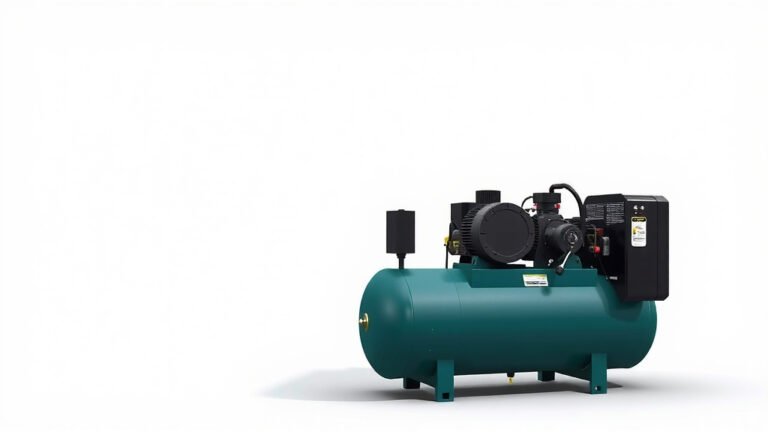
Now, let’s find that crucial part: the drain valve. It’s usually located at the very bottom of the air compressor tank. Think of it as the tank’s “drain plug,” much like the one on your kitchen sink.
Common Drain Valve Types
There are a few different styles of drain valves you might encounter. Knowing which one you have will make the draining process smoother. Don’t worry, they all serve the same purpose: letting the water out!
The Manual Ball Valve
This is perhaps the most common type. It looks like a small, T-shaped handle or a lever. To open it, you simply turn the handle 90 degrees. It’s very straightforward and easy to operate. Many users find this type the most intuitive.
The Bleeder/Petcock Valve
This one is a bit older but still effective. It typically has a small knob that you turn. Sometimes, you might need a screwdriver to loosen a screw. Just be gentle if you’re using a tool, as you don’t want to damage it.
The Automatic Drain Valve
Some higher-end or industrial compressors might have an automatic drain. These are fantastic because they drain the tank periodically without you having to do anything. They often look like a small electrical component attached to the bottom of the tank. If you have one of these, check your compressor’s manual to understand its specific operation, but typically, they handle things on their own.
The Draining Process: Step-by-Step
Ready to get that moisture out? It’s a quick process that will pay off in the long run. We’ll walk you through it, assuming you have a manual valve, which is the most common.
Step 1: Ensure the Compressor is Off and Depressurized
Safety first! Before you do anything else, make sure your air compressor is turned off. It’s also a good idea to relieve any pressure in the tank. You can usually do this by opening a valve or fitting that’s connected to an air hose and letting the air escape until the gauge reads zero. This prevents a sudden blast of water.
Step 2: Position a Container for the Water
You’ll need something to catch the water that comes out. A bucket, an old paint can, or even a shallow pan will work. Place it directly under the drain valve. Research shows that a container with a wide opening can be helpful to catch any splashing.
Step 3: Slowly Open the Drain Valve
Now for the main event. Gently turn the handle or knob of the drain valve. You’ll likely hear a hiss as the air starts to escape. Don’t force it. If it feels stuck, you might need to wiggle it a bit or check if you have a screw-type valve that needs loosening. We found that a slow, controlled opening is best.
Step 4: Let the Water Drain
Watch as the murky water starts to flow into your container. It might be brown or rusty, especially if it’s been a while since you last drained it. Keep the valve open. You’ll see water, then maybe a mix of water and air, and eventually, just air. Many users recommend letting it drain for a minute or two to ensure most of the condensation is gone.
Step 5: Close the Drain Valve
Once you’re only seeing air coming out, or if the stream has significantly thinned to just air, it’s time to close the valve. Turn the handle back to its original position. Make sure it’s closed securely so you don’t have any leaks. You don’t want to lose that precious compressed air!
How Often Should You Be Draining?
This is a question many compressor owners ask. The general consensus among manufacturers and repair guides is that regularity is key. You want to establish a routine that works for you and your usage.
After Every Use
The absolute best practice, and what most experts recommend, is to drain the tank after every single time you use the compressor. It takes only a minute or two, and it ensures that any moisture that accumulated during that session is removed before it has a chance to sit and cause problems. Think of it as putting your tools away neatly.
If You Use It Infrequently
If you only use your air compressor occasionally, draining it after each use is still a good idea. However, if you know you haven’t used it for a while, it’s wise to give it a quick drain before you start your project. Moisture can still condense over time, even when the compressor is idle. Guidelines from industrial maintenance often suggest monthly checks for infrequently used equipment.
Environmental Factors Matter
Where you store your compressor can also play a role. If you live in a humid climate or store your compressor in a damp garage or basement, you might need to drain it more frequently. Pay attention to the air quality and how quickly moisture seems to build up.
Troubleshooting Common Drain Valve Issues
Sometimes, things don’t go exactly as planned. Here are a couple of common hiccups you might run into and how to fix them.
The Valve is Stuck or Leaking
If your drain valve is stuck shut, it could be due to rust or debris. Try gently tapping the handle with a rubber mallet or the handle of a screwdriver. If it’s stuck open or leaking after you’ve closed it, there might be a piece of debris caught in the seal. Sometimes, opening and closing it a few times vigorously can dislodge it. If it continues to leak, the valve might need replacement. Research indicates that replacing a faulty drain valve is a relatively simple DIY repair for most models.
Not Much Water Comes Out
If you open the valve and only a tiny bit of water, or just air, comes out, don’t panic. It could simply mean that your compressor isn’t building up much moisture, which is great! This might happen if you live in a very dry climate or if you only run the compressor for very short periods. Continue to drain it regularly, but don’t worry if you don’t see a gushing stream every time.
A Quick Checklist for Maintenance
To make sure you’re keeping your air compressor in top condition, here’s a handy checklist:
- Turn off compressor before draining.
- Ensure tank is depressurized.
- Place a container under the drain valve.
- Open valve slowly, letting water and air out.
- Close valve securely once only air remains.
- Drain after every use for best results.
Conclusion
You’ve learned how simple it is to keep your air compressor running smoothly by draining the water. This regular maintenance prevents rust and damage to your tank and tools. Remember, a quick drain after each use is the best habit to build. It only takes a minute but makes a huge difference in your compressor’s lifespan and performance. So, make it a part of your routine to ensure your equipment is always ready for your next project!
Frequently Asked Questions
What happens if I never drain the water from my air compressor?
If you don’t drain the water, condensation will build up inside your tank. This moisture can lead to rust, weakening the tank over time. Eventually, this rust can flake off and damage your air-powered tools.
Can I just leave the drain valve slightly open all the time?
No, it’s not recommended to leave the drain valve open constantly. This will cause your compressor to lose air pressure as it tries to fill the tank. You’ll end up with no compressed air for your tools, and the compressor will have to work much harder.
Is it safe to drain the water when the compressor is still warm?
Yes, it’s generally safe and even a good idea to drain the water while the compressor is still warm after use. The warmth can help any remaining moisture evaporate more easily. Just ensure the compressor is turned off and depressurized first.
My drain valve seems really stiff. What can I do?
If your drain valve is stiff, it might be due to rust or sediment. Try gently tapping the handle with a rubber mallet or the handle of a screwdriver. If that doesn’t work, you may need to apply a penetrating lubricant and let it sit for a bit before trying again.
How do I know if my air compressor has an automatic drain valve?
Automatic drain valves often look like a small electrical component attached near the bottom of the tank, sometimes with a small pipe or outlet. If you’re unsure, consult your air compressor’s user manual. It will clearly state whether your model has an automatic drain and how it functions.