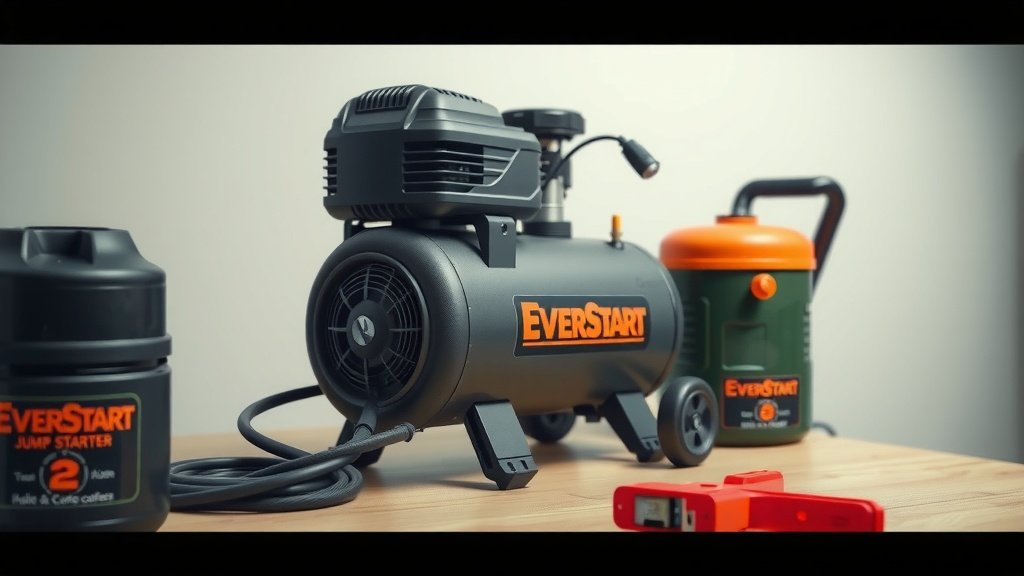
EverStart Jump Starter: Using the Air Compressor
Yes, you absolutely can use your EverStart jump starter’s air compressor! It’s a handy feature designed for quick tire inflation. You’ll be back on the road in no time, feeling prepared for minor roadside issues. This little gadget can be a real lifesaver.
Many drivers aren’t aware of this dual function. Your EverStart jump starter is more than just a battery booster; it’s also a portable air compressor. It’s perfect for topping off low tires caused by slow leaks or temperature changes. You can confidently tackle a flat tire situation.
- EverStart jump starters have built-in air compressors.
- It’s designed for easy tire inflation on the go.
- Check your tire pressure regularly.
- Always ensure the compressor is properly connected.
Let’s walk through exactly how to use the air compressor function on your EverStart jump starter step by step. It’s simpler than you might think!
Using Your EverStart Jump Starter’s Air Compressor Feature
So, you’ve got this handy EverStart jump starter, right? You know it can bring your car battery back to life. But did you know it likely has a secret weapon? Many models come equipped with a built-in air compressor. This means you have a portable tire inflator right in your toolkit. It’s a fantastic way to handle minor tire pressure issues on the go. You can avoid a roadside service call for something as simple as a low tire.
How to Get Air Flowing: The Basics
Before you even think about plugging anything in, let’s get prepared. It’s like getting ready for a road trip – planning makes it smoother. You’ll want to have a few things ready to go. This ensures you can use your EverStart jump starter’s air compressor safely and effectively. Think of it as your personal roadside assistant for tire troubles.
What You’ll Need
First off, you need your EverStart jump starter. Make sure it’s charged. A dead jump starter can’t help with much! Then, locate the air compressor hose. It’s usually attached to the unit or stored nearby. You’ll also need the correct nozzle attachment for your tire valve. Most jump starters come with a few different types.
Finding Your Tire’s PSI
This is super important. You don’t want to over-inflate or under-inflate your tires. The ideal tire pressure, or PSI (pounds per square inch), is usually found in a few places. Look for a sticker on the driver’s side doorjamb. You can also check your car’s owner’s manual. Sometimes, it’s even on the inside of the fuel filler door. Knowing your target PSI is key for safety and tire wear (National Highway Traffic Safety Administration).
Step-by-Step Inflation Guide
Now for the action! This is where your EverStart jump starter really shines as more than just a battery booster. We’ll walk through it so you feel confident. It’s really straightforward, and you’ll be a pro in no time. Let’s get that tire back to its happy place.
Connecting the Hose
First, find the air compressor outlet on your jump starter. It might look like a small port. Attach the air compressor hose securely to this port. Make sure it’s snug. Now, take the other end of the hose and screw it onto your tire’s valve stem. Twist it on until it feels tight. You don’t want any air leaking out!
Powering Up the Compressor
This step varies a bit by model, so always check your specific EverStart manual. Generally, you’ll need to turn the jump starter on. Look for a button labeled “Compressor” or an icon that looks like a tire. Press this to activate the air compressor function. You should hear it start to whir or hum, indicating it’s working.
Monitoring Tire Pressure
Many EverStart jump starters have a built-in pressure gauge. This is super handy! Watch the gauge as the air goes in. You can also use a separate tire pressure gauge if yours doesn’t have one. Let air in until you reach the recommended PSI for your tire. Don’t overdo it! It’s easier to add a little more air than to let it out.
Inflating to the Correct PSI
If you’re using the built-in gauge, stop when it hits your target number. If you’re using a separate gauge, you might need to temporarily remove the hose to check. When inflating, it’s best to stop a pound or two *below* your target. Then, add air in short bursts, checking the pressure frequently. This prevents over-inflation and ensures you get it just right.
Disconnecting and Checking
Once you’ve reached the correct PSI, turn off the air compressor. This is usually by pressing the same button you used to turn it on. Carefully unscrew the hose from the tire valve stem. You might hear a small hiss of air, which is normal. Immediately check the tire pressure again with your gauge. This final check is crucial. Make sure it’s spot on! Give yourself a pat on the back – you did it!
Important Tips for Using Your Air Compressor
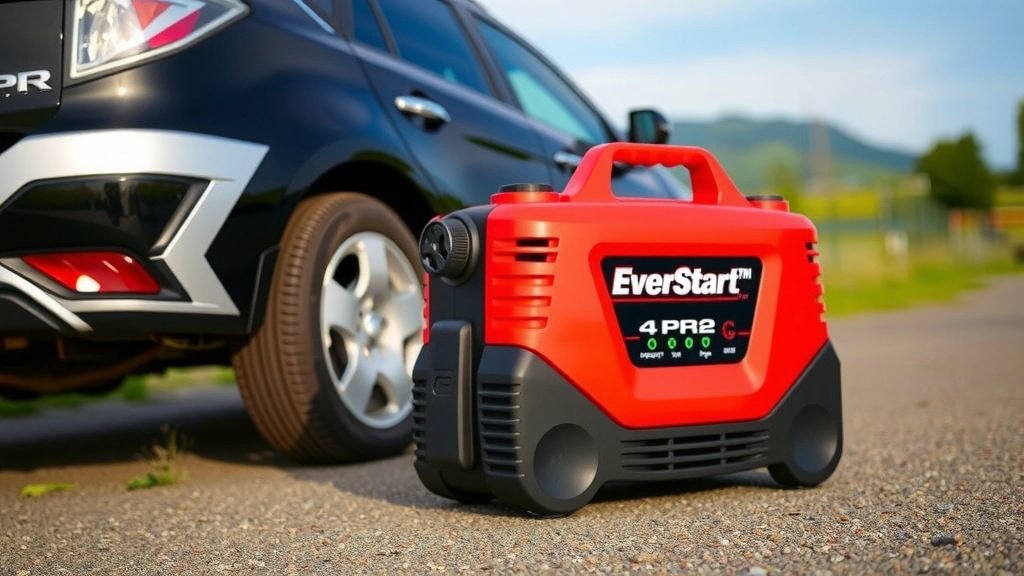
Using the air compressor on your EverStart jump starter is straightforward, but a few tips can make the process even better. These little reminders help ensure everything goes smoothly and safely. We want you to feel prepared for any tire situation.
Always Check Pressure *After* Inflating
We mentioned this, but it bears repeating! Always double-check the tire pressure after you’ve finished inflating. Tire gauges and built-in indicators can sometimes be a little off. A quick final check confirms you’re at the right PSI. This is important for your safety and your tires’ lifespan (Consumer Reports).
Don’t Overuse the Compressor
Your EverStart jump starter’s air compressor is designed for topping off tires or inflating them from a slightly low state. It’s not meant for completely flat tires caused by major damage. Running the compressor for too long could overheat the unit. Consult your manual for specific run-time recommendations.
Know When to Call for Help
If your tire is completely flat, making a loud noise, or you see obvious damage like a nail or a large gash, the air compressor might not be enough. In these cases, it’s time to call for roadside assistance or head to a professional tire shop. This little compressor is for minor adjustments, not major repairs.
Keep It Charged and Ready
Just like the jump-starting function, the air compressor needs power. Make sure your EverStart jump starter is regularly charged. Plug it in every few months, even if you haven’t used it. A charged unit is ready when you need it most. You don’t want to discover it’s dead when you have a low tire on a chilly morning.
Troubleshooting Common Issues
Sometimes, things don’t go exactly as planned. If you encounter a hiccup with your EverStart jump starter’s air compressor, don’t panic. Most issues are pretty simple to resolve.
Compressor Not Turning On
If the compressor won’t start, first check if the jump starter itself is powered on. Is the battery charged? Ensure the compressor hose is securely attached to the unit. Some models have a dedicated power button for the compressor function; make sure you’ve pressed that too.
Air Not Going Into Tire
Check that the hose is screwed on tightly to the tire valve stem. Is the valve stem itself clean and free of debris? If you’re using an adapter nozzle, ensure it’s the correct one for your tire valve. Sometimes, the valve core inside the stem might be stuck; a gentle press with a small tool can sometimes help.
Leaking Air During Inflation
A small hiss is normal when you first connect or disconnect. But if you hear air constantly escaping while inflating, the connection between the hose and the tire valve might not be tight enough. Try screwing it on more firmly. Also, check the hose itself for any cracks or damage.
Here’s a quick checklist to ensure you’re ready to inflate:
- Confirm your EverStart jump starter is charged.
- Locate the correct tire PSI rating for your vehicle.
- Ensure the air hose is securely attached to the jump starter.
- Verify the hose is tightly screwed onto the tire valve stem.
- Have a separate tire pressure gauge handy for double-checking.
- Know when to stop inflating and when to seek professional help.
Conclusion
You now know your EverStart jump starter is a powerful tool for more than just a dead battery. Its air compressor function offers a convenient solution for maintaining your tire pressure on the go. Remember to always check your tire’s recommended PSI and double-check your work after inflating. Keeping your tires properly inflated improves fuel efficiency and safety. Make sure your EverStart is charged and ready, so you’re prepared for any roadside tire needs. Your next step is to locate your car’s ideal tire pressure and keep that EverStart charged!
Frequently Asked Questions
How long can I run the EverStart air compressor at once?
Your EverStart jump starter’s air compressor is designed for short bursts of use. It’s best for topping off tires. Running it for extended periods could overheat the unit. Always consult your specific model’s manual for recommended run times to prevent damage.
Can I use the EverStart air compressor for bike tires or sports balls?
Yes, many EverStart jump starters come with multiple nozzle attachments. These adapters allow you to inflate not only car tires but also bicycle tires, and even sports balls. Just be sure to use the correct nozzle for the item you are inflating.
My EverStart compressor seems slow. Is this normal?
The inflation speed can vary based on the jump starter model and how low the tire pressure is. If it seems unusually slow, check that the hose is securely attached to both the jump starter and the tire valve. Ensure your jump starter battery has a good charge.
What should I do if the air compressor stops working mid-inflation?
If the compressor stops unexpectedly, check the power level of your EverStart jump starter. It might have shut off due to low battery or overheating. Allow the unit to cool down if you suspect overheating. Ensure all connections are still secure before attempting to restart.
Is it safe to use an EverStart jump starter’s air compressor in the rain?
It’s generally best to avoid using any electrical device in heavy rain. While the jump starter is built to be durable, water and electricity don’t mix well. If you must use it in light rain or damp conditions, be extra careful with connections and keep the main unit as dry as possible.