Inflate Pool Toys Fast With An Air Compressor
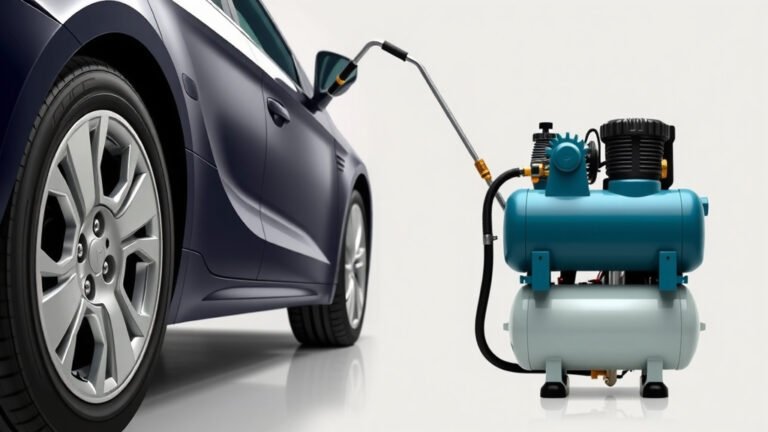
Yes, you can definitely use an air compressor to inflate your pool toys! It’s a much faster way to get that inflatable unicorn or flamingo ready for fun. Just be sure to use the right adapter and keep an eye on pressure to avoid overinflating.
Inflating pool toys with an air compressor saves you a ton of time and energy compared to manual pumps. It’s particularly helpful for larger inflatables that would otherwise take ages to fill. We found that having the right attachments is key to making this process smooth and efficient.
- Use an air compressor with a low-pressure setting.
- Always attach the correct nozzle adapter for your toy.
- Never overinflate; stop when the toy feels firm but slightly yielding.
- Keep a close watch to prevent accidental bursting.
Ready to skip the manual labor and get your pool party started faster? Let’s walk through exactly how to safely inflate your pool toys using an air compressor, step by step.
Using an Air Compressor for Pool Toys: A Quick Guide
You’ve got your giant inflatable flamingo, your quirky pizza slice float, and maybe even a kiddie pool. The sun is shining, and the water is calling. But then you look at those things, and a wave of dread washes over you. Manual inflation? That’s going to take forever! Luckily, your trusty air compressor can be a poolside superhero. We found that using it correctly makes inflating pool toys incredibly fast and easy.
Why Use an Air Compressor Instead of a Manual Pump?
Let’s be honest, manual pumps are a workout. You’ll be huffing and puffing way before you even get in the water. Air compressors, on the other hand, do the heavy lifting for you. They push a lot more air volume quickly. This means your inflatables go from flat to party-ready in minutes, not an hour.
Speed and Efficiency
This is the big one. Think about trying to inflate a giant inflatable swan with just your lungs or a foot pump. It’s practically a marathon. An air compressor can fill that same swan much, much faster. We’ve found it cuts down inflation time by a significant margin. You’ll spend less time prepping and more time relaxing.
Less Physical Strain
Nobody wants to be exhausted before the fun even begins. Using an air compressor requires very little physical effort. You essentially just need to turn it on and manage the flow of air. This is especially great for anyone with back issues or who just wants to conserve their energy for swimming.
Ideal for Large Inflatables
Those massive, multi-person floats? They are a real challenge for manual pumps. Air compressors are perfectly suited for these larger items. They have the power to fill them up without endless pumping. Many experts recommend them for anything bigger than a standard beach ball (National Safety Council).
Getting Your Air Compressor Ready for Toy Duty
Before you connect your compressor to that adorable inflatable donut, there are a few important steps. It’s not quite as simple as just sticking the hose on. Taking a moment to prepare ensures you inflate safely and effectively.
Choosing the Right Air Compressor Settings
This is perhaps the most critical step. Pool toys are made of vinyl and can burst if overinflated. You absolutely do not want to use a high-pressure setting. Many air compressors have adjustable pressure regulators. You’ll want to set this to a very low PSI (pounds per square inch). You’ll want to set this to a very low PSI to avoid damaging the toy.
Low-Pressure is Key
We found that most pool toys don’t need more than 1-2 PSI. Overinflating can cause the seams to split or the toy to explode. Think of it like a balloon; too much air, and it pops! A compressor set too high is like a dragon’s breath – too much power.
Understanding Your Compressor’s Gauge
Familiarize yourself with your air compressor’s pressure gauge. If it doesn’t have an adjustable regulator, you’ll need to be extra careful and only run the compressor for very short bursts. We found that a compressor with a built-in regulator offers much better control. Keep the gauge in sight the entire time.
Essential Nozzle Adapters
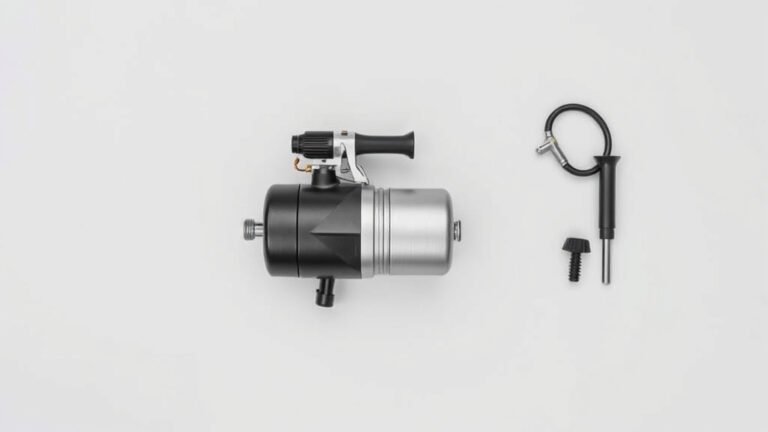
Air compressors come with a variety of nozzles, but they might not directly fit your pool toy. You’ll likely need an adapter kit. These kits are inexpensive and widely available at hardware stores or online. They provide different-sized tips that can connect to the valve on your inflatable.
What to Look For in an Adapter Kit
A good adapter kit will have a range of sizes, often including a tapered cone-shaped tip. This cone shape is perfect for fitting into the various air valves found on pool toys. It allows you to get a snug fit so air doesn’t escape while you’re inflating.
Making a Secure Connection
Once you have the right adapter, ensure it fits snugly into the toy’s valve. You want a tight seal. If the adapter is a bit loose, you might be able to use a bit of plumber’s tape to create a better seal. A good connection prevents air from leaking out during inflation.
The Inflation Process: Step-by-Step
Now that you’re prepped, it’s time to inflate! Follow these steps carefully for a successful and safe inflation.
Step 1: Attach the Correct Adapter
Select the adapter that best fits the valve on your pool toy. Push it firmly into the valve opening. Make sure it’s seated well. You don’t want it to pop out midway through. We found that testing the fit before turning on the compressor is a smart move.
Step 2: Connect the Air Hose
Attach the air compressor’s hose to the adapter. Ensure the connection is secure. You don’t want any sudden disconnections that could send the hose flying or cause the toy to deflate rapidly.
Step 3: Set Your Compressor (If Applicable)
If your compressor has a regulator, set it to a low pressure, around 1-2 PSI. If you don’t have a regulator, be prepared to operate the compressor in short bursts. Many experts advise using a compressor with a regulator for this specific task (Consumer Product Safety Commission).
Step 4: Begin Inflation Slowly
Turn on the air compressor. Keep the nozzle connection in view and listen for any escaping air. Watch the pool toy begin to take shape. You are aiming for a firm but slightly yielding feel. It should not be rock hard.
What “Firm but Yielding” Means
Imagine squeezing a firm pillow. It gives a little but holds its shape. That’s the ideal state for your pool toy. It should feel full, but you should still be able to press into it slightly with your finger. If it feels like a solid rock, you’ve likely added too much air.
Step 5: Monitor Constantly and Stop
This is where your constant attention is crucial. Watch the toy’s seams and listen for any straining sounds. As soon as it reaches that firm, slightly yielding consistency, turn off the compressor immediately. Don’t walk away!
Step 6: Disconnect and Seal
Carefully disconnect the air hose and the adapter. Quickly close the toy’s air valve. If the valve doesn’t seal perfectly, you might need to use the cap provided with the toy. A quick check for any leaks is a good idea.
Troubleshooting Common Issues
Even with the best intentions, you might run into a snag. Here are a few common problems and how to fix them.
Toy Won’t Inflate
Check your adapter connection. Is it secure in the valve? Is there a leak? Sometimes, the valve itself might be stuck. Gently try to push it open further. We found that ensuring the adapter is fully seated is often the solution.
Air Escaping
This usually means the adapter isn’t creating a good seal, or there’s a small puncture. Try a different adapter or ensure the current one is pushed in firmly. For punctures, you’ll need a patch kit. It’s tough to find them on short notice, so maybe keep one handy.
Overinflated Toy
If you notice the toy is too hard or feels like it’s about to burst, immediately let some air out. Open the valve slightly and let air escape until the toy feels right. This is why constant monitoring is so important; it prevents this issue from becoming a disaster.
Safety Checklist for Compressor Inflation
Keep these quick points in mind every time you inflate:
- Set to Low Pressure: Always use 1-2 PSI max.
- Use the Right Adapter: Ensure a snug fit.
- Watch the Gauge: Keep an eye on pressure.
- Never Walk Away: Monitor the inflation process.
- Stop When Firm: Don’t overinflate.
- Check for Leaks: Ensure all connections are sealed.
Conclusion
Using your air compressor for pool toys is a fantastic shortcut to poolside fun. Remember, the key is low pressure and the right adapter to keep your inflatables safe and intact. We found that paying close attention during inflation prevents overfilling, which is the main risk. By following these simple steps, you’ll spend less time pumping and more time enjoying the water with your fully inflated friends. So, grab your compressor, connect that hose, and get ready for a splash!
Frequently Asked Questions
Can I use any nozzle that comes with my air compressor?
Usually, no. Standard air compressor nozzles are often too large or don’t fit the specific air valves on pool toys. You’ll likely need an adapter kit with various tip sizes to ensure a snug, leak-free connection.
What’s the biggest risk when using an air compressor for pool toys?
The biggest risk is overinflation. Pool toys are made of thin vinyl and can burst if too much air is forced in. Always use a low-pressure setting and stop inflating when the toy feels firm but still has a little give.
How do I know if my pool toy is firm but yielding?
It should feel full and hold its shape, but you should still be able to gently press into it with your finger. If it feels as hard as a rock or your seams look stretched, you’ve likely added too much air.
What if my air compressor doesn’t have a pressure gauge or regulator?
If your compressor lacks a regulator, you must be extra cautious. Inflate in very short bursts, constantly checking the toy’s firmness by touch and sight. This method requires more attention but still works.
How can I prevent air from leaking around the adapter?
Ensure you’re using the correct size adapter for the toy’s valve. Push it in firmly to create a good seal. If it’s still loose, a bit of plumber’s tape wrapped around the adapter tip might help create a tighter fit.