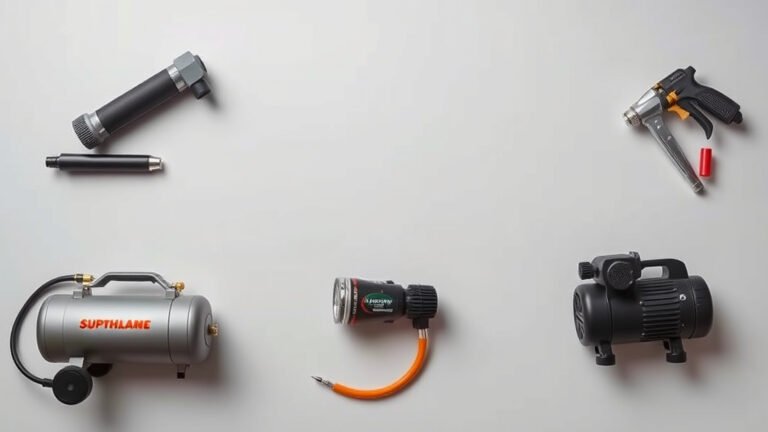
Inflate Your Pool Without an Air Compressor
Yes, you can absolutely inflate your pool without an air compressor! Many common household items and a bit of manual effort can get the job done. You can use a leaf blower, a shop vac in reverse, or even just a sturdy garden hose with the right adapter to fill your pool with air.
It might take a little more elbow grease than a dedicated compressor, but it’s a totally achievable feat for most inflatable pools. We found that methods using a leaf blower are often the quickest and most effective. Just remember to have a way to seal the valve once it’s full.
- Use a leaf blower for fast inflation.
- A shop vac set to blow works too.
- A garden hose can be adapted for air.
- Have a plan to seal the valve quickly.
- Patience is key for manual inflation.
Let’s walk through exactly how these methods work step by step, so you can get your pool ready for splashing in no time!
Getting Your Pool Inflated Without a Compressor
So, your new inflatable pool is here, and you’re ready for some fun. But wait, where’s the air compressor? Don’t let that stop you! You can absolutely get your pool pumped up using common household items. We’ve researched a few methods that work surprisingly well. It just takes a little ingenuity and some elbow grease.
Method 1: The Mighty Leaf Blower
This is often the **fastest and easiest** way to inflate your pool manually. Most leaf blowers, whether electric or gas, have a powerful airflow that can fill up your pool in a fraction of the time it would take with other methods. You just need to make sure you can direct the nozzle into the pool’s inflation valve.
Preparing Your Leaf Blower
First, locate the inflation valve on your pool. It’s usually a small, sturdy plastic piece. You’ll need to see if your leaf blower’s nozzle can fit snugly into it. Sometimes, you might need to get a little creative. Wrapping a towel or some tape around the nozzle can help create a tighter seal if it’s a bit loose. We found that a good seal is **key to efficient inflation**.
The Inflation Process
Once you have a decent fit, turn on your leaf blower. You’ll want to hold it steady and apply firm pressure. Keep an eye on the pool’s walls. As it starts to fill, you’ll see it taking shape. You might need to adjust the blower’s position a few times to ensure even inflation. This step requires a bit of **patience and coordination**.
Securing the Valve
The trickiest part is often quickly removing the blower and sealing the valve before too much air escapes. Have the valve cap or stopper ready in your hand. As soon as you turn off the blower, swiftly cap the valve. We found that having someone help with this step can make it much smoother. If you’re solo, practice the quick switch a few times.
Method 2: The Shop Vac’s Secret Blowing Power
Did you know your shop vac can do more than just suck up messes? Most shop vacs have a port for blowing air. This is another excellent alternative to a dedicated air compressor. It offers a similar type of directed airflow to a leaf blower.
Setting Up Your Shop Vac for Blowing
You’ll need to identify the blowing port on your shop vac. It’s usually labeled or is the opposite port from where you’d attach the hose for suction. Connect the hose to this port. Now, you’ll need to figure out how to connect the hose to your pool’s valve. Similar to the leaf blower, you might need some **duct tape or a towel** to create a snug fit. A good seal prevents air from escaping around the edges.
Inflating with Airflow
Turn on the shop vac. Direct the airflow into the valve. You’ll want to maintain steady pressure, just like with the leaf blower. Watch the pool as it begins to fill. It might take a bit longer than a powerful leaf blower, but it’s very effective. Keep the hose steady to **ensure consistent air delivery**.
The Quick Seal Maneuver
Once the pool is nearly full, the same challenge arises: quickly remove the hose and seal the valve. Have your cap or stopper within easy reach. Some shop vac hoses are a bit bulkier, so this might require a slightly quicker hand-off. We’ve found that the larger the hose, the more air you can get in quickly, which helps keep the pool inflated.
Method 3: The Garden Hose Hack
This method takes a bit more adaptation, but it can work, especially for smaller pools or if you’re in a pinch. You’ll be using your garden hose to deliver air. This isn’t as powerful as a blower, so **patience is definitely required**.
Adapting Your Garden Hose
The trick here is to attach the garden hose to the inflation valve. You’ll likely need an adapter. Some people use a nozzle from a tire inflator kit that can connect to a garden hose. Others have rigged up a system using a funnel and plenty of tape. The goal is to create a **leak-proof connection** between the hose and the valve. This might take some trial and error.
Running the Water (Temporarily!)
This sounds counterintuitive, but you’ll actually run a little water through the hose first. The water helps create a seal inside the valve. Once you have a good flow, **quickly switch from water to air** from your faucet. You’re essentially using the water pressure to help push air in. You’ll need to turn the faucet on and off quickly. It’s a bit of a dance!
What to Watch For
Keep an eye on the pool. You’ll see it slowly start to inflate. The airflow from your faucet might not be as strong as a blower, so this can take a while. You need to keep the hose connected and the faucet running at a good pace. This method is best for pools that don’t require a massive amount of air pressure.
Tips for Success No Matter the Method
Regardless of which method you choose, a few general tips can make the process smoother. We’ve learned that preparation is key. Having everything you need within arm’s reach prevents frustration.
- Check the Pool: Before you start, inspect your pool for any small punctures or weak seams. A little patch now saves a lot of air later.
- Clear the Area: Make sure the ground where you’ll set up the pool is clear of sharp objects.
- Have a Helper: An extra pair of hands can be incredibly useful, especially for sealing the valve quickly.
- Don’t Overinflate: Stop when the pool feels firm but not overly tight. Overinflation can stress the seams. Most pool manufacturers recommend a level of firmness that’s still a little soft to the touch.
- Know Your Valve: Familiarize yourself with your pool’s specific inflation valve. Some are simple pinch-and-blow, while others have complex caps.
| Method | Speed | Effort | Equipment Needed |
|---|---|---|---|
| Leaf Blower | Fastest | Moderate | Leaf blower, potentially tape/towel |
| Shop Vac (Blowing) | Moderately Fast | Moderate | Shop vac, hose, potentially tape/towel |
| Garden Hose | Slowest | High | Garden hose, faucet, adapter/tape |
You can do this! With a little preparation and the right tool from your garage or shed, you can have your inflatable pool ready for a dip. The key is to create a good seal and be ready to close that valve quickly. Happy inflating!
Conclusion
You’ve got this! Inflating your pool without an air compressor is totally doable with common household tools. We found that a leaf blower is often your fastest ally, while a shop vac in blowing mode is a close second. Even a garden hose can get the job done with a bit more effort. The key is creating a tight seal and being ready to cap the valve quickly. So, ditch the compressor worry and get ready for some fun in the sun. Your next step is to grab the right tool, prepare your valve, and start blowing!
Frequently Asked Questions
How do I create a good seal between my tool and the pool valve?
You can often use a towel or some duct tape to create a snugger fit around the nozzle or hose. The goal is to prevent air from escaping around the edges. A tight seal means faster inflation and less wasted effort.
Can I use my mouth to inflate a small pool?
For very small kiddie pools, it might be possible, but it’s incredibly time-consuming and physically demanding. We recommend using a tool like a leaf blower or shop vac for any pool larger than a tiny puddle. Your lungs will thank you!
What if my pool valve is too small for my leaf blower nozzle?
Don’t worry, this is a common issue! You can try wrapping a towel or t-shirt around the nozzle and then firmly pushing that into the valve. Duct tape can also be used to build up the nozzle size for a tighter fit. It might take a little fiddling.
How do I know when my inflatable pool is fully inflated?
You want the pool to feel firm but still have a slight give when you push on the sides. Avoid overinflating, as this can stress the seams and potentially cause damage. Most manufacturers suggest it should feel firm but not rock-hard.
Can I leave a leaf blower or shop vac running unattended to inflate the pool?
It’s best not to. For safety and to ensure the pool inflates evenly, you should supervise the process. Plus, you’ll need to be there to quickly cap the valve once it’s full. Keep an eye on it and be ready to act fast.