Inflate Car Tires With a Portable Air Compressor: A Guide
Yes, you can absolutely inflate car tires with a portable air compressor. It’s a straightforward process that can save you time and money. Many drivers find it an essential tool for maintaining proper tire pressure, which is key for safe driving and fuel efficiency.
Using a portable compressor means you don’t have to rely on gas station air pumps. These handy devices can be a lifesaver when you notice a low tire. We found that keeping your tires properly inflated also leads to a smoother ride and helps prevent uneven wear.
- Check your car’s recommended tire pressure.
- Locate your car’s valve stem.
- Connect the portable air compressor hose.
- Inflate the tire to the correct PSI.
- Monitor the pressure as you fill.
Let’s walk through exactly how to use your portable air compressor to get your tires back to the perfect pressure, step by step.
Getting Your Tires Inflated with a Portable Air Compressor
You can absolutely use a portable air compressor to fill your car tires. It’s a simple process that keeps your car running smoothly. Many drivers keep one in their trunk for quick fixes. This handy tool ensures you’re not stranded with a low tire.
Why Proper Tire Inflation Matters
Keeping your tires properly inflated is more important than you might think. It directly impacts your safety on the road. Underinflated tires can lead to poor handling and longer stopping distances. We found that this can be especially dangerous in emergencies.
Beyond safety, correct tire pressure also affects your car’s fuel efficiency. When tires are underinflated, your engine has to work harder. This means you’ll be stopping at the gas pump more often. Experts say you can improve your gas mileage by up to 3% just by keeping tires properly inflated (U.S. Department of Energy).
Understanding Your Car’s Tire Pressure Needs
Before you even think about plugging in your compressor, you need to know the right pressure for your tires. This is called the PSI, or pounds per square inch. You’ll find this information in a couple of key places on your car. Understanding the correct PSI for your tires is crucial, and our guide on air compressor PSI can help clarify what’s needed.
Where to Find Your Recommended Tire Pressure
The most reliable place to check is on the sticker inside your driver’s side doorjamb. It’s usually a white or yellow label. This sticker shows the recommended PSI for your front and rear tires. It’s important to use these numbers, not the maximum pressure listed on the tire itself.
You can also often find this information in your car’s owner’s manual. If you’re ever unsure, your car dealership or a trusted mechanic can help you find the correct PSI. We found that most passenger cars recommend between 30-35 PSI.
What You’ll Need
Using a portable air compressor is pretty straightforward. You won’t need a lot of special tools. Here’s a quick rundown of what you should have on hand:
- Your portable air compressor (make sure it’s in good working order)
- Your car’s manual or the doorjamb sticker for reference
- A tire pressure gauge (many compressors have a built-in one, but a separate one can be handy)
- Gloves (optional, but can keep your hands clean)
Connecting Your Portable Air Compressor
Now for the part where you actually use the compressor. It’s simpler than it sounds! First, make sure your car is parked on a level surface. Engaging the parking brake is always a good idea for safety.
Locating the Valve Stem
Each tire has a small, black or metal nozzle sticking out from the wheel. This is your valve stem. You might need to remove a small cap from it. Most of these caps screw off easily. Keep the cap somewhere safe so you don’t lose it.
Attaching the Compressor Hose
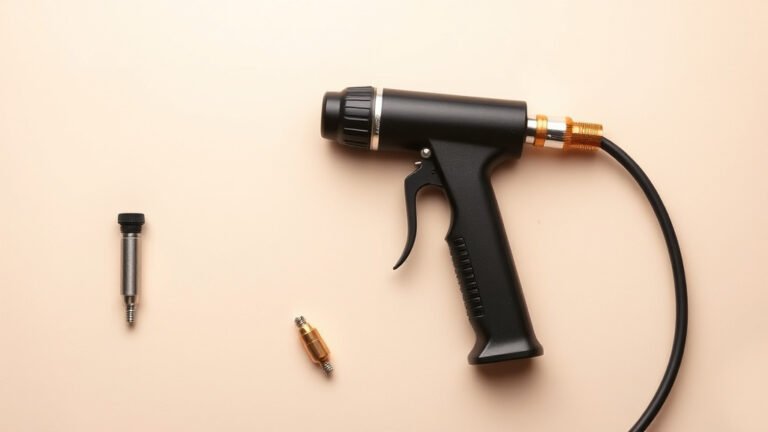
Your portable air compressor will have a hose with a connector on the end. This connector is designed to fit snugly onto the valve stem. You might need to press a lever or twist the connector to secure it.
We found that some connectors can be a bit tricky to get a tight seal. If you hear air hissing out after you connect it, it might not be on properly. Try reseating it. A good seal is key to getting an accurate pressure reading.
Inflating Your Tires: Step-by-Step
With the compressor connected, you’re ready to add some air. This is where the magic happens!
Step 1: Check the Current Pressure
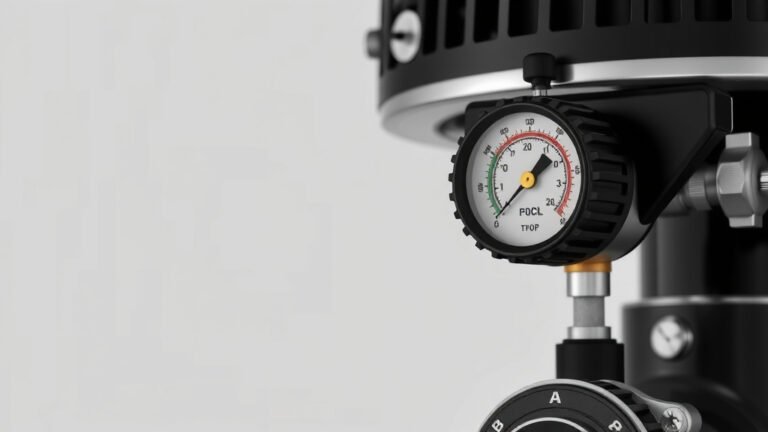
Most portable compressors have a built-in gauge. Others require you to use a separate tire pressure gauge. If using a separate gauge, press it firmly onto the valve stem for a second or two. Read the number displayed. If your compressor has a built-in gauge, it will usually show the pressure as soon as the hose is attached.
It’s a good idea to check the pressure in all four tires, even if only one seems low. Many experts recommend checking tire pressure monthly (National Highway Traffic Safety Administration). This helps catch issues before they become serious.
Step 2: Inflate to the Target PSI
Plug your portable air compressor into your car’s 12-volt power outlet (the cigarette lighter). Turn on the compressor. If it’s an automatic shut-off model, you can set your desired PSI before you start. If not, you’ll need to monitor the gauge.
Add air in short bursts. After each burst, check the tire pressure. We found that it’s much easier to add a little more air than to let some out if you overfill. Aim for the PSI recommended on your doorjamb sticker.
Step 3: Monitor and Adjust
Keep an eye on the gauge as you inflate. Most compressors will automatically shut off when the set PSI is reached if they have that feature. If yours doesn’t, turn it off manually once you hit your target number. Then, quickly remove the hose and replace the valve stem cap.
If you accidentally overinflate, don’t panic! Most tire pressure gauges have a small nub on the back. You can use this to press down on the center pin of the valve stem to release air. Let a little air out at a time and recheck the pressure. Repeat until you reach the correct PSI.
Inflating in Different Conditions
Portable compressors are great for a variety of situations. You can use them at home, on a road trip, or even after a flat tire.
Cold Weather Impact
Did you know that tire pressure can drop in cold weather? For every 10-degree Fahrenheit drop in temperature, tire pressure can decrease by about 1 PSI. This means your tires might need a little extra air during the winter months. We found that checking them more frequently in colder weather is a good practice.
Hot Weather Considerations
Conversely, tire pressure increases in hot weather. The heat from the road and the sun can raise the PSI. It’s still important to ensure your tires are at the correct pressure, even when it’s hot. Avoid letting air out solely based on a hot day reading if your tires are already within the recommended range.
Quick Checklist for Tire Inflation
Here’s a quick rundown to make sure you’ve got it covered:
- Know your car’s recommended tire PSI.
- Locate and uncap the valve stem.
- Connect the air compressor hose securely.
- Inflate in short bursts, checking the gauge often.
- Stop at the recommended PSI.
- Replace the valve stem cap tightly.
Conclusion
You’ve now learned how simple it is to keep your car’s tires properly inflated using a portable air compressor. Remember, maintaining the correct PSI is key for your safety on the road, better fuel efficiency, and a smoother driving experience. We found that being prepared with a portable compressor is a smart move for any driver. Take a moment this week to check your tires and ensure they’re ready for your next journey. Your car will thank you!
Frequently Asked Questions
How often should I check my tire pressure?
Most experts recommend checking your tire pressure at least once a month. It’s also a good idea to check them before long road trips or if you notice a significant change in temperature. This habit helps ensure your tires are always at their optimal PSI.
Can I use a portable air compressor on my spare tire?
Yes, absolutely! Your spare tire needs to be properly inflated too, especially since you might need it in an emergency. Always check your owner’s manual or doorjamb sticker for the recommended PSI for your spare tire.
What happens if I overinflate my tire?
Overinflating your tires can lead to a harsher ride and reduced traction. We found that it can also cause uneven tire wear. If you overinflate, you can easily release air by pressing the center pin of the valve stem with a gauge or a small tool.
Do portable air compressors need to be plugged into my car?
Most portable air compressors plug into your car’s 12-volt power outlet (the cigarette lighter). Some models are battery-powered and can be charged at home. Always check your compressor’s manual for specific power requirements.
Can I leave the portable air compressor connected while driving?
No, never. You should only use the portable air compressor when your car is parked on a level surface and turned off. It’s designed for inflation, not for use while the vehicle is in motion.