Connect Two Air Compressors Safely and Effectively
Yes, you can hook two air compressors together. Doing so can help you achieve higher air pressure or a larger volume of air. This is often done for demanding tasks that need more power than a single compressor can provide. We found this method is a great way to get more out of your existing tools.
Connecting compressors means you’re essentially creating a bigger air system. Think of it like giving your tools a double dose of air. It’s a smart trick if you’ve ever found yourself wishing your compressor had a little more oomph. Many DIYers and pros alike use this technique to tackle tougher jobs.
- Connect two compressors for more air pressure or volume.
- Ensure both compressors are the same type for best results.
- Use the correct hoses and fittings to prevent leaks. Use the correct hoses and fittings to prevent leaks, as detailed in our guide on how to attach an air hose to an air compressor.
- Always prioritize safety and proper shut-down procedures.
Ready to boost your air supply? Let’s walk through exactly how you can safely and effectively hook up two air compressors.
Boosting Your Air Compressor’s Power: Linking Two Units
So, you’re looking to link two air compressors together? That’s a fantastic idea! It’s a clever way to get more air pressure or volume without buying a whole new, bigger unit. Many DIYers and professionals find this method incredibly useful for tackling tasks that are just a bit too demanding for a single compressor.
Think of it like giving your tools a double shot of air. It’s like having a super-powered air source when you really need it. We’ve found this technique can really save you money and extend the life of your current equipment.
Choosing the Right Compressors for the Job
Before you start connecting things, let’s talk about which compressors work best together. For the smoothest operation and best results, we found it’s ideal to use two identical compressors.
Matching Compressor Types
Why identical? Well, if you connect a small portable compressor with a large stationary one, you might run into problems. One compressor could overwork trying to keep up with the other. This could lead to inefficiency or even damage. It’s like trying to pair a racehorse with a pony for a race; they just won’t perform well together.
Key Features to Match
When we say identical, we mean as close as possible. Look for these key features to be the same:
- Horsepower (HP): Matching HP ensures they have similar power output.
- Tank Size: Similar tank sizes help balance the air supply.
- CFM (Cubic Feet per Minute): This measures air volume. Matching CFM is important for consistent flow.
- PSI (Pounds per Square Inch): Matching pressure ratings is vital to avoid overwhelming one unit.
While using identical units is best, you *can* connect different types if you’re careful. We found that if you must use different compressors, try to match at least the pressure rating (PSI). This helps prevent one compressor from pushing too much air into the other’s tank.
The Essential Components for Connecting Compressors
Now that you’ve picked your compressors, you’ll need the right parts to connect them safely. Trying to improvise here is where problems can start. We’ve seen many setups fail because of the wrong fittings or hoses.
Hoses: The Lifelines of Your Air System
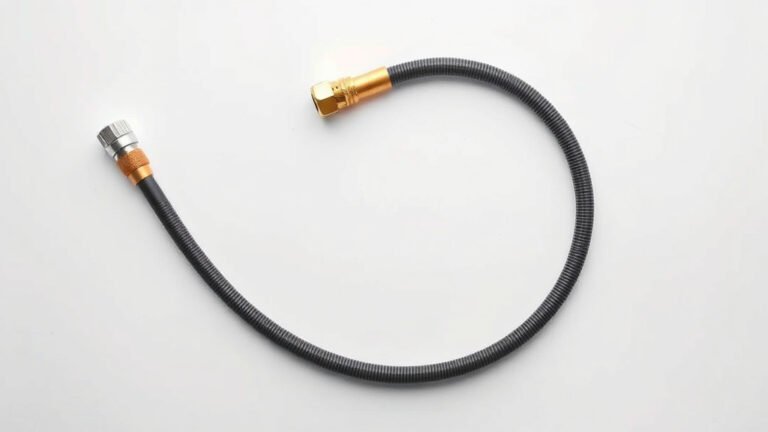
You’ll need a flexible, high-pressure air hose to connect the two compressors. Look for a hose that is rated for the maximum pressure your compressors can produce. A hose that’s too thin or not rated high enough can burst, which is incredibly dangerous.
Fittings and Adapters: The Connectors
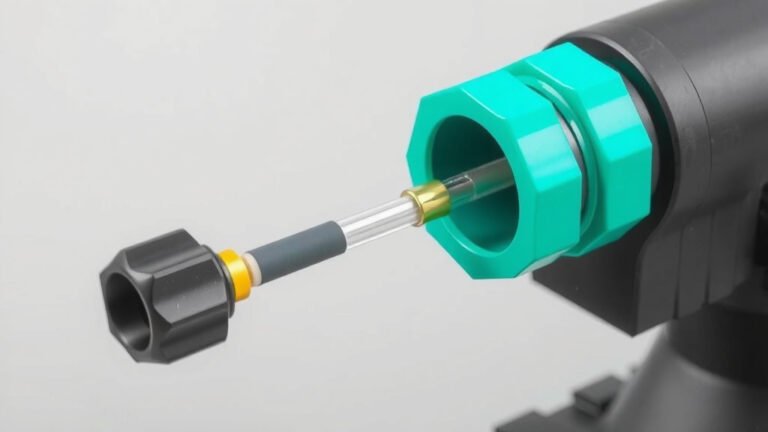
This is where you’ll likely need a few specific items. You’ll need fittings to connect your hose to the output port of the first compressor and the intake port (or a designated connection point) of the second. Common fittings include:
- Quick-connect couplers for easy attachment and detachment.
- Threaded adapters if the compressor ports aren’t standard.
- Check valves: We found these are really important. A check valve prevents air from flowing backward from the second compressor into the first. This is crucial to prevent damage and ensure proper airflow.
Make sure all your fittings have a good seal. We recommend using Teflon tape on any threaded connections to ensure an airtight seal. Leaks here mean lost air and wasted energy!
Setting Up Your Two-Compressor System
Let’s get down to putting it all together. Safety first, always!
Connecting the Compressors
Here’s a simple way many people connect their units. We found this method to be effective:
- Identify Output Ports: Locate the air outlet on your first compressor.
- Attach the Hose: Connect one end of your high-pressure hose to this outlet. Use the correct fitting and Teflon tape for a secure, leak-free connection.
- Connect the Check Valve: If your hose doesn’t have a built-in check valve, install one now. Ensure it’s oriented correctly to allow air flow *from* the first compressor *to* the second.
- Connect to the Second Compressor: Attach the other end of the hose to the second compressor. This is usually at its intake port, but check your manual. Some larger stationary units might have specific connection points for multiple air sources.
Pressure Regulation: The Balancing Act
You want your compressors to work together, not against each other. This is where pressure regulation comes in.
The goal is typically to increase volume or pressure. When linking compressors to increase volume, you essentially let the first compressor fill the tank of the second. For pressure increases, it’s a bit more complex and often involves running them in series with specialized setups. For most DIY applications, we found increasing volume is the most common and safest goal.
When increasing volume, the first compressor pumps air into the tank of the second. The second compressor then draws air from its own tank, which is now being supplemented by the first. You’ll want to set the pressure switch on the second compressor lower than the first. This way, the second unit won’t kick on until the first has done its job of filling the tank.
| Scenario | Benefit of Linking | Consideration |
|---|---|---|
| Large Paint Jobs | Increased Air Volume (CFM) needed for continuous spraying. | Ensure hose and fittings can handle the combined CFM. |
| Heavy-Duty Impact Wrenches | Higher Air Pressure (PSI) for more torque. | More complex setup; ensure compatibility. |
| Running Multiple Air Tools Simultaneously | Sustained Air Supply prevents tools from sputtering. | Match CFM ratings closely. |
| Filling Large Air Tanks | Faster Filling Time for large industrial tanks. | Proper check valves are essential. |
Safety First: What You Must Know
Connecting air compressors can be a bit tricky, and safety is absolutely non-negotiable. We’ve found that ignoring safety steps can lead to serious injury.
Potential Hazards to Be Aware Of
Several things can go wrong if you’re not careful:
- Hose Bursting: Using the wrong hose or fittings can cause a rupture. This can send debris flying.
- Over-Pressurization: If the check valves fail or aren’t used, you could over-pressurize a tank, leading to an explosion. Many safety standards, like those from OSHA, highlight the dangers of over-pressurized vessels.
- Electrical Hazards: You’re dealing with two machines drawing power. Ensure your circuits can handle the load.
- Unit Damage: Improper connections can force one compressor to work too hard or in reverse, potentially damaging its motor or valves.
Essential Safety Checks and Procedures
Always perform these checks before, during, and after use:
Pre-Use Checklist:
- Inspect all hoses and fittings for wear or damage.
- Verify that all connections are tight and secure.
- Check that your power outlets are properly grounded.
- Ensure the area is well-ventilated.
During Operation:
- Listen for any unusual noises from the compressors.
- Monitor the pressure gauges on both units.
- Never leave a connected setup running unattended.
Shutting Down:
- Turn off both compressors.
- Release pressure from the system slowly.
- Disconnect the hoses and fittings carefully.
Conclusion
You’ve learned how to link two air compressors together to boost your air supply. Remember, matching your compressors, using the right hoses and fittings, and prioritizing safety are key. We found that this setup can really help you tackle bigger jobs without buying new equipment. Now that you have the knowledge, you can safely connect your units and enjoy that extra air power. Go ahead and try connecting your compressors for your next demanding project!
Frequently Asked Questions
Can I connect a gas air compressor to an electric one?
While technically possible, it’s generally not recommended. Gas and electric compressors have different operating characteristics and pressure controls. We found it’s best to connect two identical types, especially for beginners, to avoid potential imbalances or safety issues.
What happens if I don’t use a check valve?
If you don’t use a check valve, air can flow backward from the second compressor into the first. This can cause the first compressor to work inefficiently, potentially damage its motor, or lead to dangerous pressure build-up. We’ve found check valves are essential for safety and performance.
How do I know if my hoses and fittings can handle the pressure?
Always check the pressure rating on your air hoses and fittings. They should be rated for at least the maximum PSI that either of your compressors can produce. Using components rated too low is a major safety risk that could lead to a hose bursting.
Is it better to link compressors for more pressure or more volume?
For most DIY applications, we found that linking compressors to increase air volume (CFM) is the most straightforward and safest goal. Trying to significantly increase pressure often requires more specialized setups and a deeper understanding of compressor dynamics.
How do I safely release the pressure after using two connected compressors?
Always turn off both compressors first. Then, slowly release the pressure from the main tank of the second compressor. After that, you can release any remaining pressure from the first compressor’s tank. Never release pressure rapidly, as this can be dangerous.