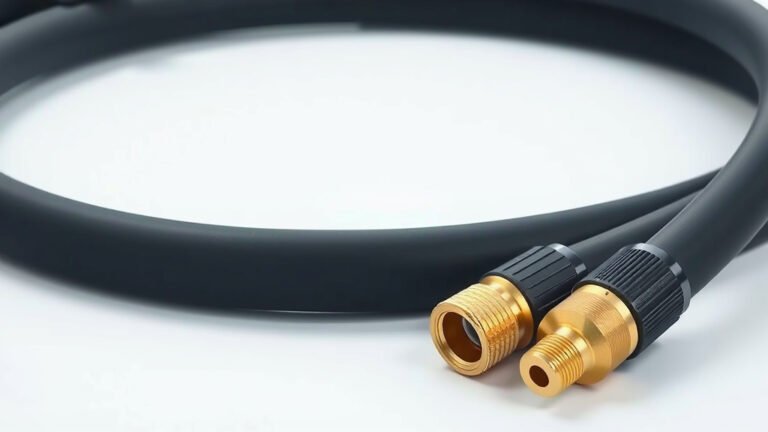
Inflate Kiddie Pool Fast With Air Compressor
Yes, you can absolutely inflate a kiddie pool with an air compressor, and it’s much faster than manual methods. Using an air compressor can save you a lot of time and effort, especially for larger pools. Just be sure to use the right nozzle and monitor the pressure to avoid overinflation.
Inflating your kiddie pool with an air compressor is a great hack for summer fun. It helps get the pool ready quickly so kids can start splashing. We’ve found this method works well for most inflatable pool types, making setup a breeze. Just remember, a little caution goes a long way.
- Use an air compressor for a quick setup.
- Choose the correct nozzle for your pool valve.
- Watch the pressure to prevent damage.
- It’s a labor-saving alternative.
Let’s walk through exactly how to safely inflate your kiddie pool using an air compressor, step by step.
Inflating Your Kiddie Pool Faster with an Air Compressor
You’re probably wondering if you can actually use that air compressor to blow up your kiddie pool. The answer is a resounding yes! We’ve found that using an air compressor can be a real lifesaver on a hot day when the kids are begging to play. It cuts down the inflation time dramatically compared to manual pumps or your own lung power.
This method is especially handy for those bigger, more elaborate kiddie pools. Think of it as giving your pool a quick breath of fresh air, instead of a marathon of huffing and puffing. Let’s get this pool ready for some splash-tastic fun!
Getting Your Kiddie Pool and Compressor Ready
Before you hook up your air compressor, there are a few important things to gather and check. Making sure you have the right tools and your pool is prepped will ensure a smooth and safe inflation process. It’s like getting all your ingredients ready before you start cooking!
Choosing the Right Air Compressor Nozzle
Most air compressors come with a variety of attachments, often called nozzles or adapters. Your kiddie pool will have an air valve, and you need to find the nozzle that fits snugly into it. Think of it like finding the right key for a lock.
- Look for a nozzle that is slightly smaller than the opening of your pool’s air valve.
- Some pools have a screw-on valve. If yours does, you might need a nozzle that can thread into it.
- Many inflatables use a simple push-and-hold valve. A basic tapered nozzle usually works well here.
We’ve found that often, the standard conical nozzle that comes with most air compressors is the perfect fit. If you’re unsure, gently try inserting different nozzles. You want a tight seal so air doesn’t escape.
Preparing Your Kiddie Pool
Your pool needs a little prep work before it gets plump. First, find a nice, flat area to set it up. You don’t want any sharp objects lurking underneath that could cause a puncture.
Clear away any rocks, sticks, or debris. We recommend laying down a tarp or a ground cloth for an extra layer of protection. This is a simple step that can prevent a lot of potential headaches.
The Inflation Process: Step-by-Step
Now for the exciting part! Let’s get that pool filled with air. We’ll walk you through it, step by step, making sure everything goes smoothly.
Connecting the Air Compressor
Once you have the right nozzle attached to your air compressor hose, it’s time to connect it to the pool. Gently insert the nozzle into the air valve of your kiddie pool.
Give it a gentle push to ensure it’s seated properly. You don’t want it to pop out halfway through inflation. A secure connection is key here. If your pool has a cap or cover for the valve, make sure it’s open or removed.
Monitoring Air Pressure: The Crucial Step
This is the most important part to avoid damaging your pool. Kiddie pools are not designed for high pressure like a car tire. Overinflating can cause seams to split or the pool to burst.
Many experts recommend using a compressor with a built-in pressure gauge. If yours doesn’t have one, you’ll need to be extra vigilant. Listen and watch!
Start with a very low pressure setting on your compressor, or if it’s a simple on/off type, keep the compressor running for short bursts. Let the pool fill slightly, then stop and check. You’ll see it start to take shape.
What’s the Right Pressure?
This is where it gets a bit tricky, as manufacturers don’t always provide exact PSI (pounds per square inch) ratings for kiddie pools. However, research and user reports suggest that most kiddie pools only need a very low pressure. Think less than 1 PSI.
The goal is to make the pool firm but not rigid. It should feel slightly squishy when you press on it. If it feels hard as a rock, you’ve likely added too much air. It’s much easier to add a bit more air than to deal with a popped pool!
Inflation Techniques for Different Pool Types
The way you inflate can vary slightly depending on your pool.
For Pools with a Single Air Chamber
These are the simplest. Just connect your compressor and inflate until the pool has a nice, rounded shape and feels firm but not overly tight. Keep an eye on it constantly. As soon as it looks properly inflated, stop the air.
For Pools with Multiple Air Chambers
Many larger kiddie pools have separate sections for air. You’ll need to inflate each one individually. Locate the valve for each section.
Inflate the main chamber first until it’s mostly filled. Then, move to the other chambers. Be sure to check the pressure in each section. They should all feel equally firm.
Safely Detaching the Compressor
Once your pool looks perfectly inflated, it’s time to disconnect. Turn off your air compressor completely. Then, carefully and quickly remove the nozzle from the air valve.
Some valves have a small stopper to prevent air from escaping immediately. If yours does, push that in. If not, be ready to cap the valve quickly. You’ll likely lose a tiny bit of air, but it shouldn’t make a difference.
Close or cap the valve securely. Double-check that it’s sealed. You don’t want your pool deflating while the kids are getting their swimsuits on!
Troubleshooting Common Issues
Even with the best intentions, things can sometimes go a little sideways. Don’t worry, we’ve got you covered with some quick fixes.
Pool Won’t Inflate Properly
Is the pool staying saggy? You might have a slow leak. Check all seams and the air valve for any small openings. Sometimes, a tiny bit of soapy water sprayed around the valve can reveal small bubbles if there’s a leak.
Overinflated Pool Concerns
If you think you’ve added too much air, don’t panic! Quickly detach the compressor and let a little bit of air out by slightly opening the valve. Re-check the firmness. Repeat until it feels right.
Quick Checklist for Air Compressor Inflation
Here’s a quick rundown to ensure your inflation goes off without a hitch:
- Clear the area: Ensure no sharp objects are under or around the pool.
- Select the right nozzle: Find one that creates a tight seal.
- Attach securely: Make sure the nozzle is firmly in the valve.
- Monitor pressure closely: Never overinflate; aim for firm but not rigid.
- Inflate in short bursts: Especially if you don’t have a gauge.
- Check all chambers: Inflate each section of multi-chamber pools.
Conclusion
You’ve learned how to safely and efficiently inflate your kiddie pool using an air compressor. Remember, the key is using the right nozzle and constantly monitoring air pressure to prevent overinflation. This method dramatically cuts down setup time, letting you and your family enjoy the water sooner. With just a few simple steps, your backyard oasis is ready for splash-tastic fun in no time.
So go ahead, grab your compressor, and get that pool ready for a perfect summer day!
Frequently Asked Questions
Can I use any air compressor for my kiddie pool?
Yes, most standard air compressors will work. The most important factor is using the correct nozzle attachment to create a tight seal with your pool’s air valve. Ensure your compressor doesn’t have an excessively high PSI output, as kiddie pools need very low pressure.
What happens if I overinflate the kiddie pool?
Overinflating can cause the pool’s seams to split or the pool itself to burst, rendering it unusable. Always err on the side of underinflation. It’s much easier to add a little more air than to fix a damaged pool.
How can I tell if the kiddie pool is firm enough without a pressure gauge?
You’ll want the pool to feel firm but still slightly squishy when you press on it. If it feels hard as a rock or is very rigid, it’s likely overinflated. Listen for a stretching sound from the vinyl as well; that can be a sign to stop.
My air compressor nozzle doesn’t fit the pool valve well. What should I do?
You might need to find a different nozzle adapter. Check if your compressor came with a set of universal tips. Sometimes, a small piece of cloth or tape wrapped around the nozzle can help create a tighter seal, but be careful it doesn’t get sucked into the valve.
Is it safe to leave the air compressor running unattended while inflating?
No, it’s not recommended. You need to actively monitor the inflation process to ensure you don’t overinflate. Keep the compressor running in short bursts and stop frequently to check the firmness of the pool.