Inflate Intex Pool With Air Compressor: Quick Guide
Yes, you can absolutely use an air compressor to inflate your Intex pool. It’s often much faster than using a standard pump. Just ensure your compressor has the right nozzle attachment for your pool’s valve and doesn’t exceed the recommended PSI.
Inflating an Intex pool can feel like a big job. Using an air compressor is a smart shortcut that saves you a lot of time and effort. We found that many users prefer this method for its efficiency, especially for larger pool sizes.
- Using an air compressor is possible and quick.
- Ensure the nozzle fits and PSI is safe.
- Check your pool’s manual for specific instructions.
- This method is great for larger pools.
Let’s walk through how to get your Intex pool filled with air using an air compressor, making setup a breeze.
Inflating Your Intex Pool with an Air Compressor
Yes, you absolutely can use an air compressor to inflate your Intex pool! It’s a fantastic shortcut that saves your lungs and your time. We’ve found that many pool owners prefer this method because it’s so much faster than manual pumps. Just imagine: no more huffing and puffing until you’re dizzy. You’ll be ready for a refreshing dip in no time.
The key is to have the right tools and a little know-how. We’ll guide you through the process, making sure you do it safely and efficiently. Our goal is to get your pool inflated without any stress or unexpected issues. Let’s get that pool ready for some fun!
What You’ll Need for Compressor Inflation
Before you even think about plugging in that compressor, let’s gather your supplies. Having everything ready means the inflation process will go smoothly. It’s like packing for a picnic – you don’t want to realize you forgot the napkins when you’re already there.
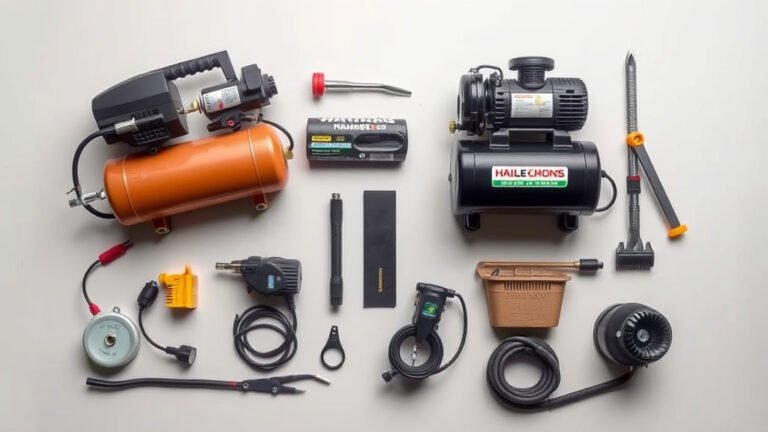
Essential Tools and Accessories
First, you’ll need your Intex pool, of course. Then, grab your air compressor. Make sure it’s a type that can deliver a decent amount of air. We also found that a nozzle adapter is usually necessary. This adapter is the bridge between your compressor’s hose and your pool’s air valve. It needs to fit snugly to prevent air from escaping. Learn how to properly attach an air compressor hose for a secure connection to your Intex pool valve.
You might also want a pressure gauge. Some compressors have a built-in one, but an external gauge can give you a more precise reading. This is super important for safety. Over-inflating can damage your pool. We always recommend double-checking your pool’s manual for any specific adapter recommendations.
Choosing the Right Air Compressor
Not all air compressors are created equal, and that’s okay. For inflating an Intex pool, you don’t necessarily need a heavy-duty industrial model. A standard portable air compressor, often used for car tires, will likely do the trick. Look for one that can produce at least 50-100 PSI (pounds per square inch).
The important thing is the PSI output and the type of nozzle it has. Some compressors come with a variety of attachments. If yours doesn’t, you might need to purchase a universal adapter kit. We found that a compressor with a regulated output is ideal, as it gives you more control over the air pressure.
Step-by-Step Inflation Guide
Now for the fun part – inflating your pool! We’ll break this down into simple, manageable steps so you can get to splashing in no time.
Preparing the Pool and Valve
First, make sure your Intex pool is set up on a flat, level surface. Clear away any sharp objects like rocks or twigs that could puncture the material. Open up the pool and locate the air valve. It’s usually a small, white or gray cap that you unscrew. Give the valve area a quick wipe-down to ensure it’s clean.
Inspect the valve itself. Make sure there’s no debris stuck inside. If your pool has a specific type of valve, like a plug or a twist-lock system, familiarize yourself with how it works. We found that most Intex valves are pretty straightforward, often just requiring a simple screw-on or push-in connection for the air hose.
Connecting the Air Compressor
This is where your nozzle adapter comes into play. Attach the correct nozzle to your air compressor’s hose. Ensure it’s securely fastened. Then, connect the nozzle to the pool’s air valve. You want a tight seal so no air escapes during the process. Some adapters might screw on, while others might require a firm push.
If you have a valve with a stopper, you might need to remove it or slightly unscrew it to allow air to enter. Check your pool’s manual for specific instructions on valve operation. We found that a snug fit is the most important thing here. If it feels loose, try a different adapter or some plumber’s tape on the threads if it’s a screw-on type.
Monitoring Air Pressure for Safety
This is arguably the most critical step. Your Intex pool has a recommended PSI, and exceeding it can cause the seams to burst or the material to weaken. We can’t stress this enough: do not over-inflate.
Inflate the pool in short bursts. Stop frequently to check the firmness. You’re looking for a firm but slightly yielding feel. If you can press your finger into the side and it significantly deflates, it needs more air. If it feels rock-solid and is difficult to even press, you might be overdoing it.
Use your pressure gauge to monitor the PSI. Most Intex pools require only a low PSI, often in the range of 1-3 PSI. This might sound incredibly low, but remember, these pools are made of vinyl. A standard car tire is around 30-35 PSI! We found that referring to the pool’s instruction manual or the label on the valve itself is the best way to find the exact recommended PSI.
Inflating to the Correct Firmness
As you inflate, periodically step back and look at the pool. Is it starting to take shape? Are the sides firm and holding their form? You’re aiming for a pool that is taut but still has a little bit of give when you press on it. Think of it like a balloon – you want it full and round, but not so tight that it looks like it might pop.
We found that a good rule of thumb is to inflate until the pool walls are firm and smooth, with no major wrinkles or sags. Then, stop and let it sit for a bit. If it seems to lose air quickly, check for leaks around the valve or any damage. Once it feels right, disconnect the compressor. Your pool is ready to be filled with water!
Tips for a Smooth Inflation Experience
We’ve gathered a few extra tips based on common experiences. Following these can make your pool setup even easier.
- Check the nozzle fit: Ensure it’s snug and doesn’t leak.
- Inflate in short bursts: This gives you time to check pressure and firmness.
- Don’t over-inflate: This is the most common mistake and can damage your pool.
- Listen for leaks: If you hear hissing, check the connection.
- Have fun! Setting up the pool is the first step to enjoying it.
We also found that inflating on a warmer day can help. The air inside will expand slightly as it heats up, giving you a firmer pool. Just be extra cautious not to over-inflate if the day is very hot.
| Step | Action |
|---|---|
| 1 | Gather compressor, adapter, and gauge. |
| 2 | Prepare pool and clean air valve. |
| 3 | Connect adapter securely to valve and compressor. |
| 4 | Inflate in short bursts, monitoring pressure. |
| 5 | Check firmness regularly – not too hard! |
| 6 | Disconnect once desired firmness is reached. |
Conclusion
You’ve got this! Using an air compressor is a fantastic way to get your Intex pool ready for fun. Remember, the keys are having the right adapter, monitoring that air pressure carefully, and not over-inflating. We found that taking these simple steps ensures your pool is firm, safe, and ready for splashing.
Now that you know how to do it, go ahead and gather your supplies. Your backyard oasis awaits, and you’ll be enjoying it much sooner than you think!
Frequently Asked Questions
How do I know if I have the right nozzle adapter for my Intex pool valve?
You’ll want an adapter that fits snugly into your Intex pool’s air valve without leaving any gaps. It should feel secure when attached to your air compressor’s hose, preventing air from escaping. We suggest checking your pool’s manual or looking for universal adapter kits if you’re unsure.
What PSI should I inflate my Intex pool to?
This is critical! Most Intex pools require a very low PSI, often between 1-3 PSI. This might seem like very little air. We always recommend checking the label on the valve itself or your pool’s specific instruction manual for the exact recommended PSI. Never exceed this.
Can I use a regular bicycle pump instead of an air compressor?
While a bicycle pump will technically work, it will take a very long time and a lot of effort, especially for larger pools. An air compressor is much more efficient and faster. We found that using a compressor saves you significant time and energy.
What happens if I over-inflate my Intex pool?
Over-inflating is the most common mistake and can be quite damaging. It can cause the seams of your pool to stretch or even burst. We stress the importance of using a pressure gauge and inflating in short bursts to avoid making the pool too rigid.
My Intex pool feels a bit soft after inflating. Is that normal?
Yes, a slight softness is usually normal, especially when the pool is still new or the weather is cooler. Intex pools are designed to be firm but still have a little give. If it feels excessively soft or sags significantly, you may need to add a bit more air, but always check your PSI limits first.