Clear AC Drain Line: How to Use an Air Compressor
Yes, you can absolutely use an air compressor to blow out your AC drain line. This is a quick and effective DIY method to clear blockages. It helps prevent water backup and potential damage to your AC system. Just be sure to use the correct air pressure.
A clogged AC drain line can lead to some messy problems. Water can overflow, causing mold growth and water damage. Using an air compressor is a popular solution many homeowners find successful. We found that it’s a widely recommended fix for this common issue. It’s much simpler than you might think.
- Locate the drain line exit.
- Connect your air compressor securely.
- Use low to moderate air pressure.
- Listen for air and water to clear.
Ready to tackle that drain line? Let’s walk through exactly how to use your air compressor for this job, step by step.
Clearing Your AC Drain Line with an Air Compressor
Using an air compressor to clear your AC drain line is a smart and accessible DIY fix. When your AC unit cools your home, it also removes moisture. This moisture collects and needs a way to escape. The drain line is that escape route. If it gets clogged, water can back up, causing problems. We found this method to be a quick solution for homeowners dealing with this common issue.
Why Your AC Drain Line Clogs
Think of your AC drain line like a tiny plumbing system for your home’s air handler. Over time, dust, debris, and even algae can build up inside it. This gunk forms a slimy blockage. Sometimes, a small pest might even get stuck in there. When the line is blocked, water has nowhere to go. It can then start to pool around your air handler.
The Consequences of a Clogged Drain Line
A backed-up drain line isn’t just a minor inconvenience. It can lead to several costly issues. One common problem is water damage to your home’s structure. Mold and mildew can also start to grow in the damp conditions created by the standing water. This can affect your home’s air quality. In some cases, a severely blocked line can even cause your AC system to shut down entirely to prevent further damage.
Gathering Your Supplies
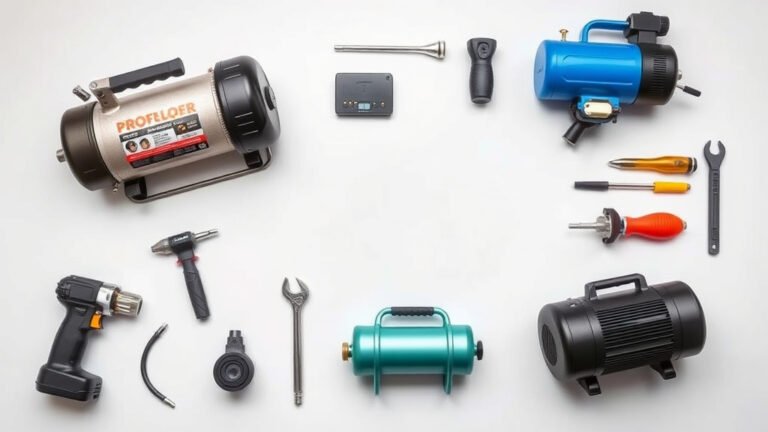
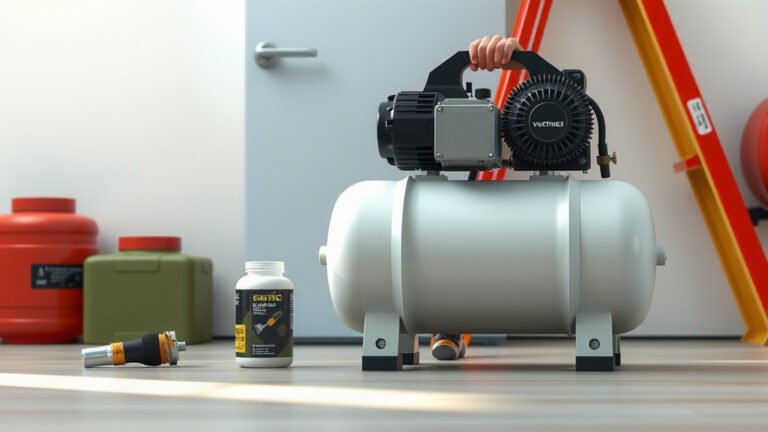
Before you start, make sure you have everything you need. This job is pretty straightforward, but having the right tools makes it easier. You’ll need your air compressor, of course. Also, grab an appropriate air hose and a fitting that will connect to your drain line. We found that having a universal adapter can be very helpful here. It ensures a snug fit. Safety glasses are also a must. You don’t want any unexpected blowback getting in your eyes!
Essential Tools and Materials
- Air Compressor: Any standard home air compressor will work.
- Air Hose: Make sure it’s long enough to reach your drain line comfortably.
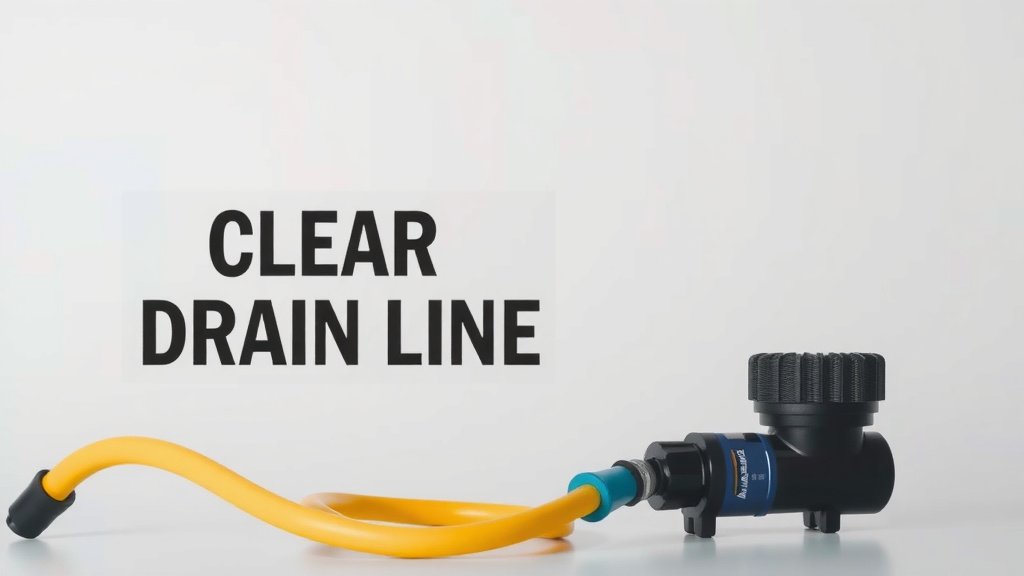
- Drain Line Fitting/Adapter: This is key for a secure connection. A rubber cone or a specialized AC drain line blowing adapter is ideal.
- Safety Glasses: Protect your eyes from any debris.
- Towel or Rag: To catch any water that might come out.
Locating Your AC Drain Line
The first step is to find where your AC drain line exits your home. This is usually a small PVC pipe. You’ll often find it near your outdoor air conditioning unit. It can also be on an exterior wall where your indoor air handler is located. Sometimes, it might drain into a floor drain or a condensate pump. We recommend checking your air handler’s location inside your home if you can’t find it outside.
Where to Look
Most commonly, the drain line exits near the condenser unit outside. It’s a small pipe, often white PVC. If you can’t see it there, check the wall where your furnace or air handler is located. Some systems drain into a utility sink or a designated floor drain. If your home has a condensate pump, the drain line will likely lead to that. Locating this pipe is the most important first step.
Performing the Blow-Out Procedure
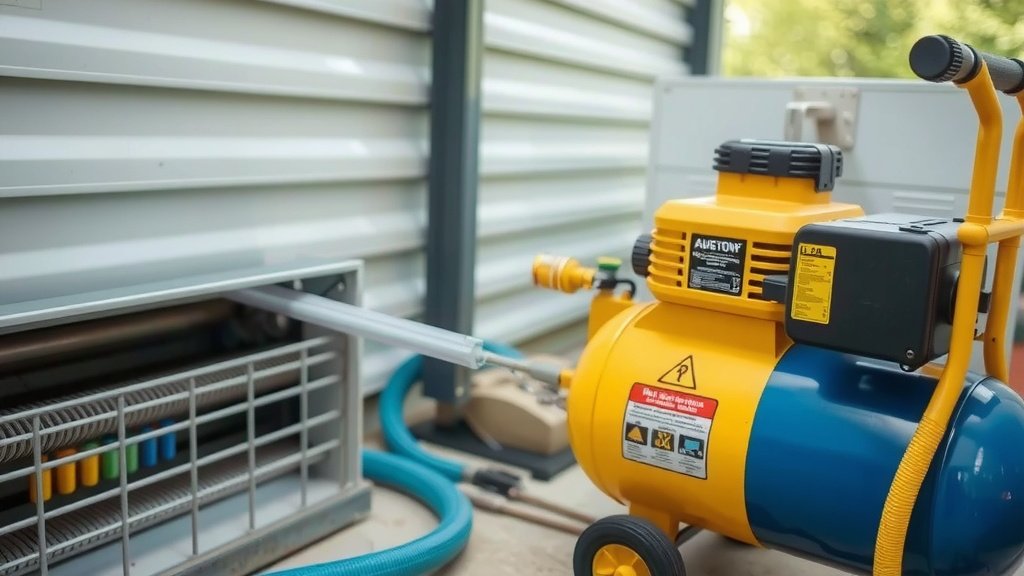
Once you’ve found the drain line and gathered your tools, it’s time to get to work. You want to create a seal around the drain line opening. This prevents the air from escaping. Connect your air hose to the fitting. Then, carefully insert the fitting into the drain line opening. You’re looking for a snug, airtight connection. If you have a good seal, the air you push will go directly into the line.
Setting the Right Air Pressure
This is where many people make a mistake. You don’t need high pressure for this job. Too much pressure can actually damage your drain line or even your air handler. We found that a pressure between 20-30 PSI is typically sufficient. Many experts suggest starting even lower. Always check your AC unit’s manual if you’re unsure. It’s better to be safe than sorry.
Connecting the Compressor
With your fitting in place and a good seal achieved, you’re ready to connect your air compressor. Turn your air compressor on. Slowly open the valve on your air hose. You should hear the air start to flow into the drain line. If you don’t hear any air, check your connection again. A leaky seal will prevent the air from doing its job.
The Blow-Out Process
Once the air is flowing, let it run for about 15-30 seconds. You might hear some gurgling or sputtering. That’s a good sign! It means the air is pushing through any blockages. You might also see water or debris shoot out of the other end of the drain line. If you don’t see anything, try a slightly higher pressure, but never exceed 50 PSI. Many sources recommend repeating the process a couple of times if needed.
What to Listen For
Pay attention to the sounds coming from the drain line. You’re listening for the sound of air flowing freely. Initially, you might hear resistance. As the air clears the clog, the sound should become a steady hiss. This indicates that the path is clear. If you hear the air blowing back at you forcefully, it means the clog is very near the opening and might require a different approach.
Checking for Success
After you’ve blown air through the line, it’s a good idea to check if it worked. You can do this by pouring a cup or two of water down the drain line opening (if accessible). If the water flows freely and exits the line quickly, you’ve likely succeeded. We found that this simple test confirms your hard work. If water still backs up, you may need to repeat the blow-out process or consider other methods.
When to Call a Professional
While using an air compressor is often effective, it’s not always the solution for every clog. If you’ve tried blowing out the line multiple times and still have issues, it might be time to call an HVAC technician. Some clogs can be very stubborn or located further down the line than your air compressor can reach. Also, if you’re uncomfortable with the process or unsure about the pressure, a professional can handle it safely and efficiently. They have specialized tools to tackle even the toughest blockages.
Signs You Might Need a Pro
- The clog doesn’t clear after multiple attempts.
- You hear air blowing back, indicating a severe blockage.
- You’re not comfortable using the air compressor.
- The drain line appears damaged.
- Your AC unit continues to show error codes related to drainage.
Conclusion
You’ve learned that using an air compressor is a reliable DIY method for clearing your AC drain line. We found it’s an effective way to prevent water damage and keep your system running smoothly. Remember to always use low to moderate air pressure to avoid causing any harm to your AC unit. By following these steps, you can tackle this common maintenance task yourself. If the clog persists after your attempts, don’t hesitate to call a professional HVAC technician. Your next step is to gather your supplies and give your AC drain line a clear path for water flow.
Frequently Asked Questions
How much air pressure should I use?
We found that a pressure between 20-30 PSI is typically sufficient to clear most clogs. It’s crucial not to exceed this range, as too much pressure can damage your drain line or AC system. Always start on the lower end and only increase slightly if needed.
What happens if I don’t have a good seal on the drain line?
If you don’t achieve a snug, airtight seal, the air from your compressor will escape. This means it won’t effectively push through any blockages in the drain line. You might hear air blowing back at you, and the clog likely won’t be cleared.
Can I use my shop vac to blow out the drain line?
While some shop vacs have a blower function, an air compressor is generally preferred for this task. Air compressors deliver a more consistent and controllable flow of air pressure, which is key to safely clearing the clog without damaging your system.
How often should I clear my AC drain line?
We recommend checking and clearing your AC drain line at least once a year, typically in the spring before heavy usage begins. If you live in a humid climate or notice slow drainage, you might need to do it more frequently.
What if I can’t find the end of my drain line outside?
If you can’t locate the exterior exit of your drain line, check near your indoor air handler or furnace. Sometimes, the line might drain into a utility sink, a floor drain, or a condensate pump. Consulting your home’s manual or the AC unit’s installation guide can also help.