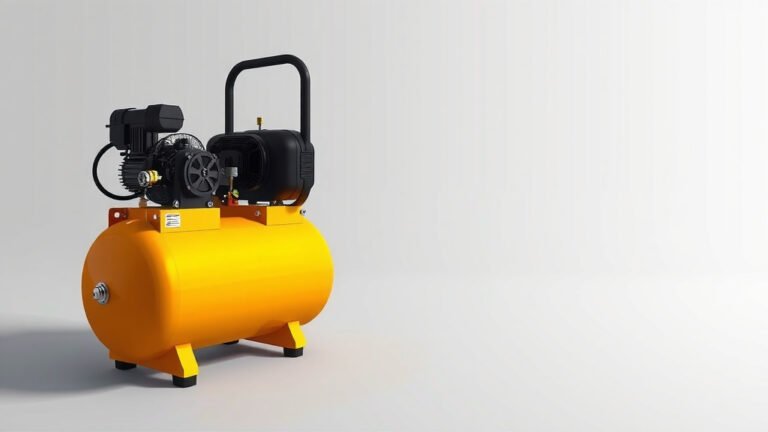
How to Install Your Air Compressor Air Filter
Installing an air filter on your air compressor is a straightforward process that helps keep your equipment running smoothly. You’ll want to **turn off the compressor** and **ensure it’s unplugged** before starting. This simple maintenance step is key to **protecting your compressor’s motor** from dust and debris.
A clean air filter means your compressor won’t have to work as hard. This can lead to better performance and a longer lifespan for your tool. Think of it as giving your compressor a fresh breath of air. It’s an easy way to **prevent costly repairs** down the road.
- Locate your air compressor’s air intake.
- Remove the old, dirty filter.
- Install the new filter securely.
- Turn your compressor back on.
Ready to get started? Let’s walk through exactly how to install that new air filter step by step.
Putting a New Air Filter on Your Air Compressor
Swapping out your air compressor’s air filter might seem like a small task. But, we found that this simple act is a huge help to your equipment. It keeps dust and debris from getting into the sensitive parts of your compressor. Think of your compressor like your lungs. It needs clean air to breathe and function properly. A dirty filter is like trying to run a marathon with a stuffed-up nose – not pretty.
Why Filter Replacement Matters So Much
We’ve seen firsthand how neglected filters can cause trouble. When the air intake is clogged, your compressor has to work much harder to pull in air. This extra strain can lead to overheating and put stress on the motor. Over time, this can shorten your compressor’s lifespan. Plus, a struggling compressor might not deliver air at its optimal pressure. Keeping the filter clean ensures your compressor runs efficiently and reliably.
Protecting Your Compressor’s Lifeline
The air filter is essentially the first line of defense. It catches tiny particles that could otherwise cause wear and tear on internal components. Many experts say that replacing the filter regularly is one of the easiest maintenance steps you can take. It’s a low-cost solution that prevents potentially expensive repairs down the road. It’s like giving your compressor a fresh breath, keeping its internal workings clean and happy.
Signs Your Filter Needs a Change
How do you know it’s time for a new filter? Keep an eye out for a few tell-tale signs. If the filter looks visibly dirty, caked with dust, or even starting to tear, it’s definitely due for a change. You might also notice that your compressor is making more noise than usual. Some users report a decrease in performance or air pressure. These are all good indicators that your filter is working overtime.
Steps for Installing Your New Air Filter
Ready to get your hands a little dirty? We’ll guide you through the process. Remember, safety first! Always ensure your compressor is powered off and unplugged before you begin.
Locating the Air Intake and Filter Housing
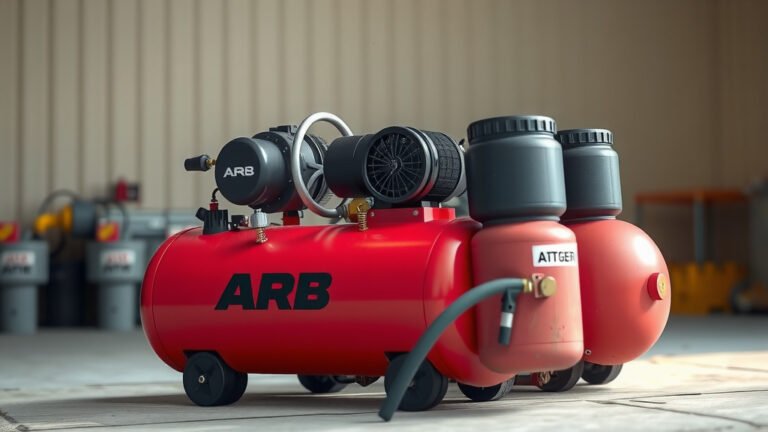
First, you need to find where the air filter lives. On most air compressors, you’ll see a cylindrical housing unit connected to the intake port. This is where the air gets drawn in. It’s often made of plastic or metal and might have a cap or lid that needs to be opened. Think of it as the compressor’s nose. It’s usually located on the side or top of the unit.
Removing the Old, Dirty Filter
Once you’ve found the housing, it’s time to get the old filter out. Depending on the design, you might need to twist a cap, unscrew a fitting, or release a clamp. If it’s a screw-on type, turn it counter-clockwise. If it’s a clamp or clip system, gently pry it open. Sometimes, the filter can get stuck due to dried-on dust. If this happens, a gentle wiggle should do the trick. Be careful not to force it and damage the housing. We found that sometimes a quick spray of compressed air can help loosen debris around the seal.
What to Do with the Old Filter
Once the old filter is out, take a moment to look at it. Is it clogged with dust, oil, or debris? This is a good visual cue of the kind of environment your compressor is operating in. Dispose of the old filter properly. Many are made of paper or foam and can usually go in your regular trash. Check local guidelines if you’re unsure about disposal.
Installing the New, Clean Filter
Now for the exciting part – the fresh filter! Make sure you have the correct replacement filter for your specific air compressor model. Using the wrong size or type can cause issues. Align the new filter with the intake port. If it’s a screw-on type, start threading it clockwise by hand to avoid cross-threading. Once it’s snug, you might want to give it a final quarter-turn with a tool if recommended by the manufacturer, but don’t overtighten. For clamp-style filters, ensure it sits flush and the clamp is securely fastened.
Checking the Seal
A good seal is essential. You want to ensure that all air entering the compressor has to pass through the filter. Inspect the area where the filter meets the housing. There shouldn’t be any gaps. A proper seal prevents unfiltered air from bypassing the filter and entering your compressor. We found that a quick visual check after installation can save you headaches later.
Starting Your Compressor Up Again
With the new filter securely in place, you can now plug your air compressor back in and turn it on. Listen to the sound. You might notice it runs a bit smoother or quieter now that it has a clean airway. This is a good sign! It means your compressor is breathing easy and ready to perform at its best. It’s a small change that makes a big difference in how your tool operates.
A Quick Filter Maintenance Checklist
To make sure you stay on top of this vital maintenance, keep this simple checklist handy:
- Locate your air compressor’s air intake and filter housing.
- Remove the old, dirty filter carefully.
- Dispose of the old filter responsibly.
- Install the new, correct filter securely.
- Check for a proper seal around the filter housing.
- Turn on your compressor and listen for smooth operation.
When to Consider an Upgraded Filter
For some applications, especially if you work in a dusty environment or use your compressor frequently, you might consider an upgraded filter. Some high-performance filters offer finer filtration. Others might be more durable or easier to clean and reuse. If you’re frequently replacing filters or notice your current one gets dirty very quickly, it might be worth researching options that are better suited for your specific operating conditions. Many sources suggest that choosing a filter with a higher micron rating can offer better protection for sensitive tools downstream.
Conclusion
You’ve successfully learned how to install a new air filter on your air compressor. This simple maintenance task is key to protecting your compressor’s motor and ensuring it runs efficiently. Remember to always prioritize safety by turning off and unplugging your unit before starting. A clean filter means less strain on your compressor, leading to better performance and a longer lifespan. Make filter replacement a regular habit to avoid costly repairs and keep your tool performing at its best.
Your next step is to add this simple maintenance to your routine. Consider setting a reminder on your phone for regular filter checks.
Frequently Asked Questions
How often should I replace my air compressor’s air filter?
We found that replacement frequency depends on your usage and environment. A good rule of thumb is to check your filter every few months. If you work in a dusty area, you’ll likely need to replace it more often.
Can I use a different brand of air filter than the one that came with my compressor?
Yes, you generally can, as long as the replacement filter is the correct size and type for your specific air compressor model. Always double-check compatibility to ensure a proper fit and seal.
What happens if I don’t replace my air filter?
If you don’t replace your air filter, your compressor will have to work harder to draw air. This can lead to overheating, reduced performance, and potentially damage to the motor over time.
My old filter is really stuck. What can I do?
We’ve heard that a gentle wiggle can help loosen a stuck filter. If it’s really stubborn, try using a bit of compressed air around the seal to dislodge dust. Avoid forcing it, as you don’t want to damage the housing.
Does the air filter affect the air pressure my compressor puts out?
Yes, a clogged air filter can restrict airflow, which may lead to a noticeable decrease in the air pressure your compressor can deliver. Replacing it can help restore optimal pressure.