How a Two-Stage Air Compressor Works Explained
A two-stage air compressor works by using two separate compression cycles to build up air pressure more efficiently. It compresses air in the first cylinder, cools it down, and then compresses it again in a second, smaller cylinder. This Our guide to two-cylinder air compressors explains their advantages.two-step process results in higher pressures and is ideal for demanding tasks.
Many professionals rely on two-stage compressors for their power and consistency. They’re often found in auto shops and manufacturing settings where tools require a steady stream of high-pressure air. Unlike single-stage models, these compressors can deliver more air volume at higher PSI, making them a workhorse for tough jobs.
- Compresses air in two steps for higher pressure.
- Cools air between stages for better efficiency.
- Ideal for continuous use and high-demand tools.
- Often found in professional workshops and industrial settings.
We know you’re curious about how this powerful machine gets the job done. Let’s walk through exactly how a two-stage air compressor works, step by step.
Understanding Two-Stage Air Compressor Mechanics
You’re probably wondering how that extra compression step really makes a difference. Let’s break down the inner workings of a two-stage air compressor. It’s a bit like a relay race for air, with each stage handling a part of the pressure-building job.
The First Stage: Initial Compression
Think of the first stage as the warm-up lap. The compressor draws in ambient air through an intake valve. Inside the first cylinder, a piston moves down, creating a vacuum that pulls the air in. Then, the piston moves up, squeezing this air into a smaller volume. This is the first compression cycle.
What Happens to the Air?
As air gets compressed, it heats up. This initial compression raises the air pressure significantly, but it also makes the air quite hot. This heat is normal, but it’s something the compressor accounts for in the next step.
The Intercooler: Cooling Things Down
This is where the “two-stage” magic really starts to shine. After the first compression cycle, the hot, pressurized air moves to an intercooler. This is essentially a heat exchanger. Its job is to cool the air down before it goes into the second stage.
Why Cooling Matters So Much
Cooling the air between stages is a big deal for efficiency. Research shows that cooler air is denser, meaning it takes up less space. When you cool the air, you can fit more of it into the second cylinder. This allows for a much higher final pressure. It also helps reduce moisture buildup in the tank, which is a good thing!
The Second Stage: Re-Compression for Higher Pressure
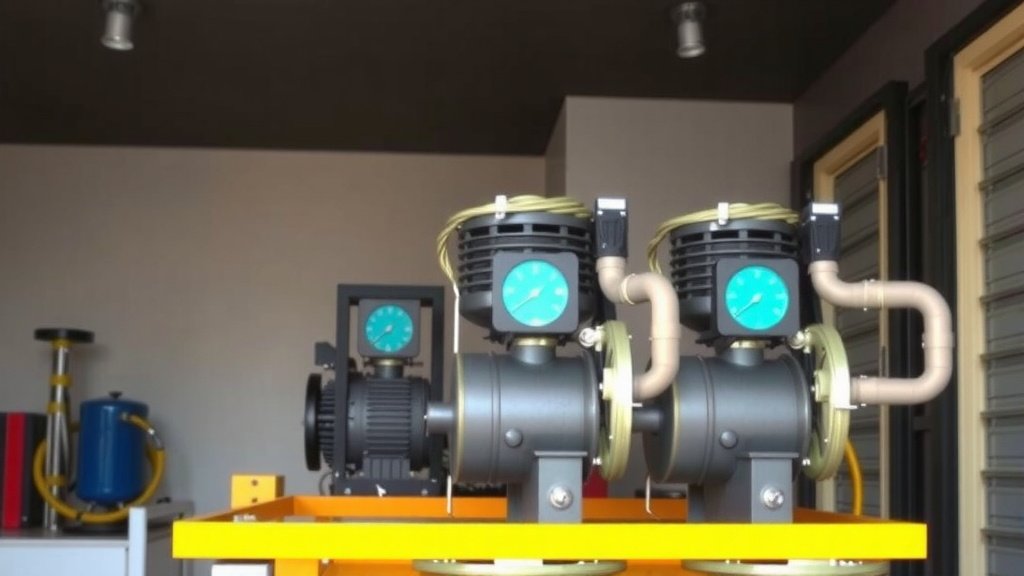
Now, the cooled, partially compressed air enters the second, smaller cylinder. This cylinder usually has a smaller bore diameter than the first one. The piston in this second cylinder compresses the air even further, pushing it to its final, high pressure.
Achieving Maximum PSI
This second squeeze is what allows two-stage compressors to reach much higher PSI levels compared to their single-stage counterparts. Many experts say this is the key difference that makes them suitable for heavy-duty applications.
From Cylinder to Tank: Storage and Delivery
Once the air has gone through both compression stages and reached its target pressure, it’s routed to the air receiver tank. This tank acts as a reservoir, storing the compressed air until you need it.
The Role of the Pressure Switch
A pressure switch monitors the air pressure inside the tank. When the pressure drops below a certain level (due to you using air tools, for example), the switch activates the motor and pump to start compressing air again. When the tank reaches its maximum pressure setting, the switch turns the motor off. This automatic cycle ensures you always have compressed air ready.
| Feature | Single-Stage Compressor | Two-Stage Compressor |
|---|---|---|
| Compression Cycles | One | Two |
| Intercooler | No | Yes |
| Typical Max PSI | ~120-150 PSI | ~175-200+ PSI |
| Efficiency | Good for lighter tasks | Higher efficiency for demanding jobs |
| Runtime | Shorter duty cycles | Longer continuous use |
Key Components You’ll Find
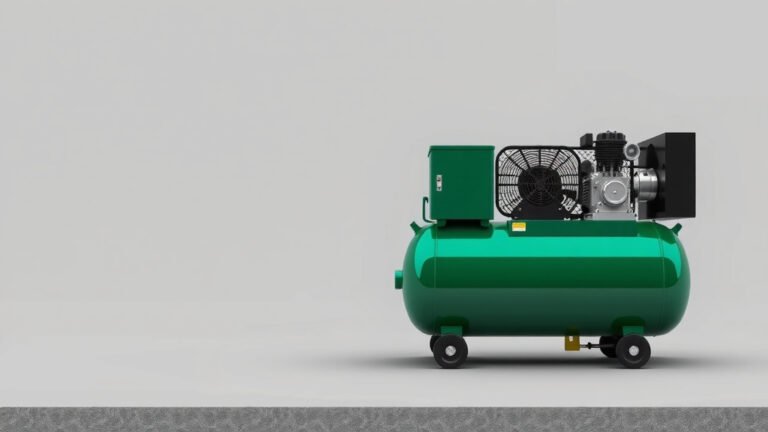
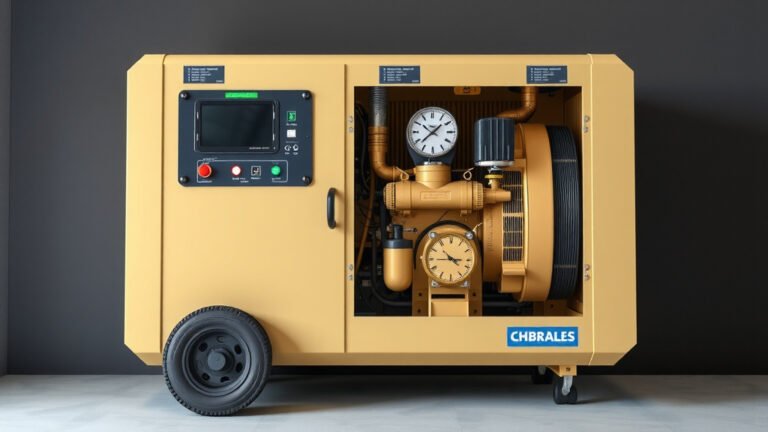
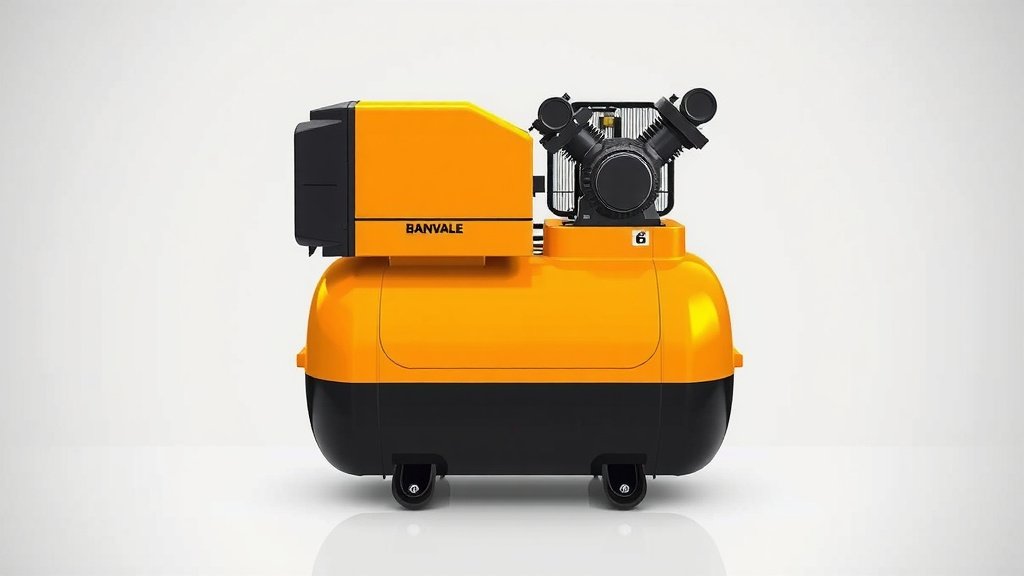
Understanding the parts helps visualize the process. You’ve got your motor, which powers everything. Then there’s the pump assembly, containing the cylinders, pistons, and valves for compression. The intercooler is critical for that second stage. Don’t forget the air receiver tank for storage and the pressure switch for control.
Think of it Like This…
Imagine you’re squeezing a sponge. A single-stage compressor is like squeezing it once with all your might. A two-stage compressor is like squeezing it halfway, letting it expand a little, and then squeezing it again with that same initial force. The second squeeze is much more effective because the sponge is already partially compressed.
When Is a Two-Stage Compressor the Right Choice?
If you’re running tools that need a consistent, high volume of air, like impact wrenches, sanders, or spray guns, a two-stage compressor is likely your best bet. They are built for heavy-duty, continuous use. Many manufacturers recommend them for professional automotive repair shops and industrial settings.
Here’s a quick checklist to see if you might benefit from a two-stage model:
- Do you use air tools frequently?
- Do your tools require high PSI?
- Do you need a steady air supply for extended periods?
- Are you working in a professional or industrial environment?
- Do you find your current compressor struggles to keep up?
Conclusion
You now understand that a two-stage air compressor works by using a clever two-step process for higher pressure and efficiency. It compresses air, cools it down, and then compresses it again. This makes it ideal for your demanding tools and continuous use needs. If you’re looking for a reliable workhorse for your shop or industrial tasks, a two-stage compressor is likely the upgrade you’ve been searching for. Consider your tool requirements and air volume needs to make the best choice for your setup.
Frequently Asked Questions
Why is cooling the air between compression stages important?
Cooling the air between stages makes it denser. Denser air takes up less space, allowing the second cylinder to compress more air. This leads to higher final pressure and better overall efficiency for your compressor.
Can I use a two-stage compressor for home garage projects?
Yes, you can! If your home projects involve tools that require higher PSI or continuous air supply, like larger spray guns or impact wrenches, a two-stage compressor can be a great fit. For lighter tasks, a single-stage might suffice, but a two-stage offers more power if you need it.
How does the intercooler work in a two-stage compressor?
The intercooler is a heat exchanger. It uses ambient air or sometimes a fan to cool down the hot air that comes from the first compression stage. This cooler air then enters the second stage for more effective re-compression.
What’s the main difference in PSI output between single and two-stage compressors?
Two-stage compressors generally achieve much higher PSI levels than single-stage models. While single-stage units might top out around 120-150 PSI, two-stage compressors commonly reach 175-200 PSI or even higher, making them suitable for more demanding applications.
How often do I need to maintain a two-stage air compressor?
Maintenance typically involves regular checks of oil levels, air filters, and drain valves. Following the manufacturer’s recommendations for your specific model will ensure its longevity and optimal performance, especially with its dual-stage operation.