Choosing the Right Gallon Air Compressor for Painting
To paint effectively, you’ll generally need an air compressor with at least a 20-gallon tank and a flow rate of 5 to 10 CFM. This size offers enough capacity to avoid constant cycling and ensure a steady stream of air for most painting tasks. Don’t underestimate the CFM rating; it’s often more critical than the gallon size for consistent paint application.
Choosing the right air compressor is key for a smooth painting job, whether you’re a DIYer working on furniture or a professional tackling a car. A compressor that’s too small will struggle, leading to inconsistent finishes and frustration. We found that matching the compressor’s capabilities to your specific painting project prevents common headaches and delivers professional-looking results.
- 20-gallon tank minimum is a good starting point.
- Look for 5-10 CFM for consistent airflow.
- CFM rating is often more important than tank size.
- Match your compressor to your painting project needs.
- Avoid frustration with the right equipment.
Let’s get into the specifics of how to choose the perfect gallon size air compressor for your painting needs. Let’s get into the specifics of how to choose the perfect gallon size air compressor for your painting needs.
Choosing the Right Air Compressor Gallon Size for Painting Projects
So, you’re ready to paint, and you’re wondering about air compressor sizes. It’s a common question! The gallon size of your air compressor plays a role, but it’s not the whole story. Let’s break down what you really need to know to get that perfect paint finish.
Understanding Airflow: CFM is King
While gallon size gets a lot of attention, the CFM rating is often more important for painting. CFM stands for Cubic Feet per Minute. This number tells you how much air your compressor can deliver. Think of it like the water pressure from your garden hose. You need enough pressure to get the water where you want it.
Why CFM Matters More Than You Think
Your spray gun needs a consistent supply of air to atomize paint properly. If your compressor can’t keep up, you’ll get sputtering and uneven coverage. This is where CFM comes in. A higher CFM rating means more air, leading to a smoother paint application. We found that underestimating CFM leads to a lot of frustration.
What CFM Do You Actually Need?
For most common painting tasks, like spraying furniture, cabinets, or even a car, you’ll want a compressor that can deliver at least 5 to 10 CFM at 90 PSI (pounds per square inch). This is the standard pressure for most spray guns. Always check the requirements for your specific spray gun, as some high-end models might need more.
The Role of Tank Size: It’s About Consistency
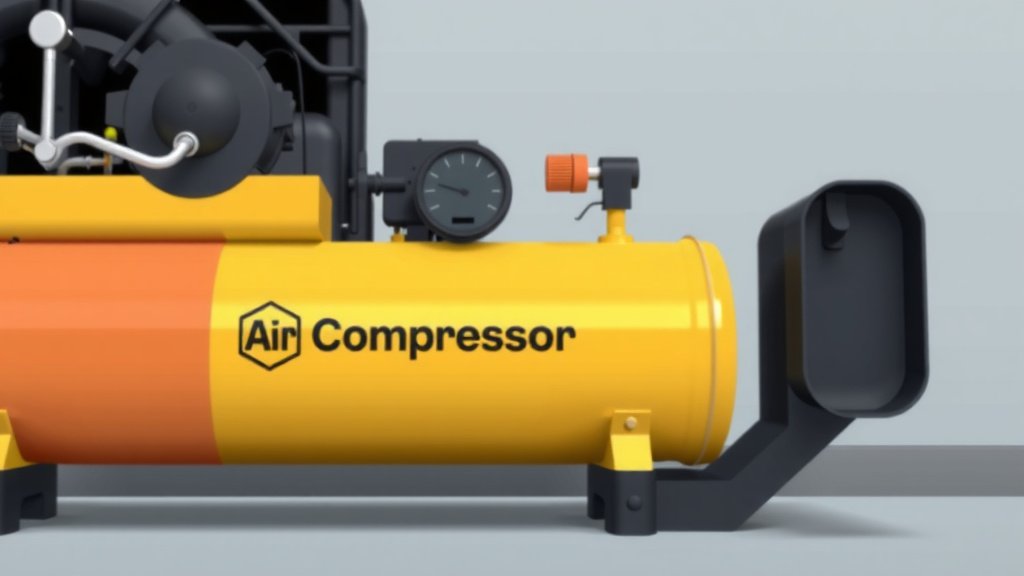
The gallon size of the tank is essentially the compressor’s air reservoir. It stores compressed air. A larger tank means the compressor won’t have to run as often. This is helpful for keeping a steady air supply and reducing noise.
How Gallons Affect Your Painting Flow
If you have a small tank and your CFM is just barely enough, the compressor will cycle on and off frequently. This can cause pauses in your spraying. For painting, you want to keep moving. A 20-gallon tank is a good starting point for most DIY painting. It provides enough buffer so you’re not constantly waiting for the compressor to catch up.
When Bigger Tanks Really Help
If you’re doing larger projects, like painting an entire room or a vehicle, a bigger tank can be a real advantage. We found that tanks in the 30 to 60-gallon range are excellent for extended spray sessions. They offer a longer run time between compressor cycles, ensuring a more consistent finish over large areas.
Matching Compressor to Your Painting Tools
Your choice of spray gun is a major factor in determining compressor needs. Different types of spray guns require different amounts of air.
Understanding Spray Gun Requirements
- HVLP (High Volume, Low Pressure) guns: These are popular for DIYers because they are efficient and produce less overspray. They generally require lower CFM than traditional guns, often in the 3-7 CFM range.
- Conventional spray guns: These are more common in professional settings. They typically need higher CFM, often 8-12 CFM or even more, to operate effectively.
- Airless sprayers: These don’t use compressed air to atomize paint. They use hydraulic pressure. If you’re using an airless sprayer, your air compressor needs are minimal, mainly for cleaning or air-assisted models.
DIY vs. Professional Needs
As a DIYer, you might be using an HVLP gun for furniture or trim. In this case, a 20-gallon compressor with 5-7 CFM might be perfectly adequate. A professional body shop, however, spraying multiple cars a day with conventional guns, would likely need a much larger unit, possibly a 60-80 gallon compressor with 15+ CFM.
Key Features to Look For
Beyond tank size and CFM, there are other aspects of an air compressor that are important for painting.
Oil vs. Oil-Free Compressors
- Oil-lubricated compressors: These tend to be more durable and quieter. They often produce cleaner air, which is essential for painting to avoid contaminants in your finish.
- Oil-free compressors: These are generally lighter and require less maintenance. However, they can be louder and might produce slightly less clean air. You might need an extra filter for painting with an oil-free model.
We found that for painting, a clean air supply is paramount. Consider using inline air filters regardless of your compressor type.
Horsepower and Voltage
Horsepower (HP) indicates the motor’s power. More HP usually means a more powerful compressor. For painting, especially with larger tanks, look for models with at least 2 to 3 HP. Also, consider the voltage. Most home outlets are 120V, but larger compressors (over 30 gallons) might require a 240V outlet, which you might need an electrician to install.
Making Your Final Choice: A Quick Checklist
To wrap things up, here’s a simple checklist to guide your decision. Think about your typical projects and the tools you’ll use.
- Assess your primary painting tasks. (Furniture, walls, cars?)
- Check your spray gun’s CFM requirements. (Crucial step!)
- Aim for 5-10 CFM at 90 PSI. (This is a good general range.)
- Consider a 20-gallon tank minimum. (For better air supply.)
- Look for oil-lubricated for cleaner air. (Or plan for extra filters.)
- Ensure your electrical outlet can support the compressor. (120V or 240V.)
Conclusion
Choosing the right air compressor for painting doesn’t have to be complicated. Remember, while the gallon size offers storage, the CFM rating is your top priority for consistent airflow and a smooth finish. We’ve seen that aiming for 5-10 CFM at 90 PSI, with at least a 20-gallon tank, covers most DIY projects effectively. Always match your compressor’s capabilities to your spray gun’s needs and your project scale. By focusing on these key factors, you’ll avoid frustrating performance issues and achieve the professional results you’re after. Take this knowledge and pick the compressor that will make your next painting job a success!
Frequently Asked Questions
What’s the absolute minimum tank size I should consider for painting?
For most common painting tasks, we suggest starting with a 20-gallon tank. This size provides a good buffer to maintain consistent airflow without the compressor cycling too frequently. It’s a solid middle ground for many DIY projects.
Can I use a smaller compressor for touch-up paint jobs?
Yes, for very small touch-ups where you’re not spraying continuously, a smaller compressor (perhaps 6-10 gallons) might suffice. However, always check the CFM requirements of your spray gun, as even small jobs need adequate airflow for a good finish.
How does the type of paint affect compressor needs?
Thicker paints or those requiring finer atomization might need slightly higher CFM. However, the spray gun type is usually a bigger factor. We found that matching the compressor to your spray gun’s CFM demand is generally more critical than the paint viscosity itself.
Will a larger tank compensate for a lower CFM rating?
A larger tank can help by storing more air, but it won’t fully compensate for a compressor that’s significantly underpowered in terms of CFM. You’ll still experience the compressor running more often, potentially leading to pauses in spraying. Prioritize meeting the CFM needs first.
Is a 240V compressor necessary for painting?
A 240V compressor is typically needed for larger, higher-power units, often those with 60-gallon tanks or more and very high CFM ratings. For most home or DIY painting projects, a 120V compressor will likely be sufficient, provided it meets your CFM requirements.