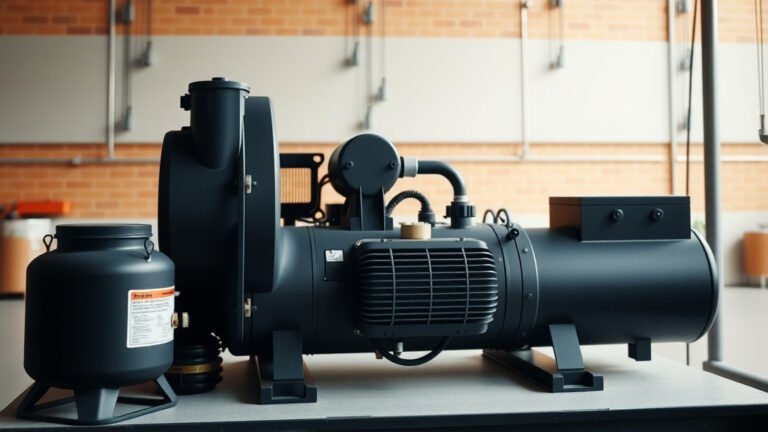
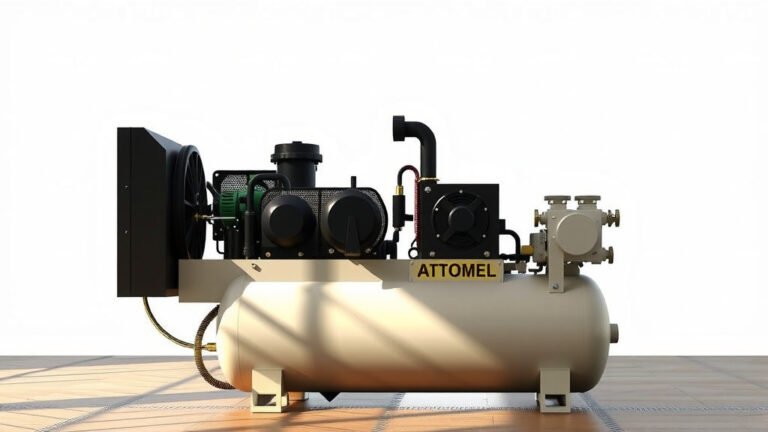
How to Open an Air Compressor: A Simple Guide
Opening an air compressor is usually a straightforward process once you understand the basic steps. You’ll typically find a main power switch and a pressure release valve that need attention before you can use it. Following these simple procedures ensures your compressor is ready for action safely and effectively.
Air compressors are fantastic tools for many projects. But before you can put them to work, you need to get them running. We’ve found that understanding your specific model’s startup sequence is key. This guide will help you get your air compressor open and ready for business.
- Locate the power switch.
- Find the pressure release valve.
- Ensure the tank is empty if needed.
- Follow your model’s specific instructions.
Let’s walk through exactly how to get your air compressor started, step by step.
Getting Your Air Compressor Ready for Action
So, you’ve got your air compressor, and you’re itching to get to work. That’s the spirit! Before you can start inflating tires or powering your nail gun, you need to properly “open” or start it up. Think of it like waking up a sleeping giant. You need to do it gently and correctly.
We found that most air compressors share a similar startup process. It usually involves finding a couple of key controls. These are the main power switch and often a pressure release valve. Getting these right ensures your compressor is safe and ready to perform.
Locating the Essential Controls
Your air compressor might look complicated, but the main controls are usually quite obvious. They’re designed to be accessible. Let’s break down where you’ll likely find them.
The Power Switch: Your Compressor’s “On” Button
This is the most straightforward part. The power switch is your gateway to bringing the compressor to life. Many models have a simple toggle switch, a push button, or a dial. You’ll typically find it located on the main body of the compressor unit. It’s often clearly labeled with “On” and “Off” or symbols.
Some larger or more professional units might have a main circuit breaker. This acts as a safety feature. If you don’t see an obvious switch, check near where the power cord connects. You might need to flip a small lever or press a button to engage power.
The Pressure Release Valve: Your Safety Net
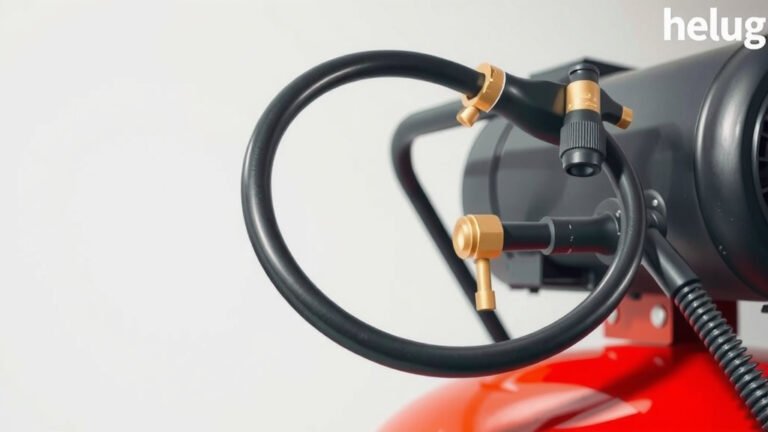
This is a super important component. The pressure release valve, sometimes called a drain valve or safety valve, is critical for safety. It’s usually a small knob or lever located near the bottom of the air tank. Its job is to let out excess air pressure if things get too high.
Before you even think about turning the compressor on, it’s a good idea to check this valve. Many experts recommend ensuring it’s in the closed or “up” position. This prevents any unintended air release when you start the machine.
Preparing the Air Compressor Tank
The air tank is where the compressed air is stored. Sometimes, you need to manage the air inside it before you can get started, especially if the compressor was recently used or stored.
Checking and Draining the Tank
If your compressor has been sitting for a while, or if you suspect there might be pressure in the tank, you’ll want to drain it. Moisture can build up inside the tank over time. This can lead to rust and damage. We found that many users overlook this step, which can shorten the life of their equipment.
To drain the tank, you’ll need to locate that pressure release valve we talked about. Slowly turn it counter-clockwise or pull the lever. You should hear air escaping. Let it drain completely. Once empty, make sure to close the valve again by turning it clockwise or pushing the lever back into place.
Many maintenance guides, such as those from the Occupational Safety and Health Administration (OSHA), stress the importance of regular tank draining. This helps prevent internal corrosion (OSHA).
Understanding Low-Pressure Startup
Some compressors are designed to start up more easily when there’s no or very little pressure in the tank. This reduces the strain on the motor. If your compressor has an auto-shutoff feature, it might have a hard time starting if the tank is already pressurized. This is why draining it first can be beneficial.
The Startup Sequence: Putting it All Together
Now that you know where everything is, let’s walk through the actual process of getting your air compressor running. Think of this as the final, exciting step!
Step-by-Step Startup Guide
- Ensure the power switch is OFF. This is your first line of defense.
- Verify the pressure release valve is CLOSED. Make sure it’s not letting air out.
- Connect the power cord to a suitable electrical outlet. Check your compressor’s manual for the recommended voltage and amperage.
- Turn the main power switch ON. You should hear the motor start up.
- Listen for the compressor. It will begin to fill the tank with air. You’ll hear the motor working.
- Monitor the pressure gauge. As the tank fills, the pressure will rise.
- Wait for the auto-shutoff. Most compressors will automatically turn off the motor once they reach their maximum set pressure.
What to Do If It Doesn’t Start
Don’t panic if your compressor doesn’t roar to life immediately. We’ve seen many reasons why this might happen. First, double-check that the power switch is indeed in the “ON” position and that the outlet is working. Try plugging in another small appliance to test the outlet.
Also, confirm that the pressure release valve is fully closed. If it’s slightly open, the compressor won’t be able to build pressure and might not engage properly. Referencing your owner’s manual is always a smart move here. It often has a troubleshooting section that can help diagnose common issues.
A Quick Checklist Before You Go
To make sure you’ve got everything covered before you start, keep this little checklist handy:
- Is the power switch clearly visible and accessible?
- Have you located the pressure release valve?
- Is the pressure release valve in the closed position?
- Is the tank drained of any old air or moisture if needed?
- Is the power cord securely plugged in?
- Have you consulted your owner’s manual for any specific instructions?
Conclusion
You’ve now got the basics down for getting your air compressor ready. We’ve covered locating the essential controls like the power switch and pressure release valve. You also learned how to properly prepare the tank by checking and draining it if necessary. Following these steps helps ensure a safe and efficient startup. The next time you need to power up your compressor, you’ll know exactly what to do. Go ahead and tackle that project you’ve been planning!
Frequently Asked Questions
What is the purpose of the pressure release valve?
The pressure release valve, often found near the bottom of the tank, is your compressor’s safety net. Its main job is to let out excess air pressure. This prevents the tank from over-pressurizing, which could be dangerous.
Do I always need to drain the tank before starting?
It’s a good practice to drain the tank if it’s been stored for a while or if you suspect moisture buildup. This helps prevent rust and ensures the compressor can build pressure properly. For daily use, it might not be necessary every time.
My compressor won’t start. What’s the first thing I should check?
First, make sure the power switch is firmly in the “ON” position. Then, confirm that the pressure release valve is completely closed. If either of these isn’t set correctly, the compressor won’t be able to build pressure and may not start.
Can I use an extension cord with my air compressor?
It’s best to consult your owner’s manual on this. While some compressors might work with a heavy-duty, short extension cord, it’s generally recommended to plug directly into a wall outlet. An improper cord can lead to power loss and motor strain.
What does the auto-shutoff feature do?
The auto-shutoff is a convenience and safety feature. Once the air compressor reaches its maximum preset pressure level, this mechanism automatically turns off the motor. This prevents the tank from overfilling and saves energy.