Safely Siphon Gas Using Your Air Compressor
Yes, you can siphon gas with an air compressor by creating a vacuum to draw the fuel out of your tank. This method is often used when you need to empty a gas tank for maintenance or when you’re running on fumes. It’s a faster way than manual siphoning and can be a real lifesaver in a pinch.
Using an air compressor for siphoning gas is a bit different from the old-school method of using your mouth. You’re essentially using the compressor’s power to generate suction. Many people find this method more convenient and safer, as it avoids direct contact with gasoline. We’ve found that having the right adapter makes a big difference.
- You can siphon gas using an air compressor.
- It uses suction to pull fuel from the tank.
- This method is generally quicker than manual siphoning.
- It avoids direct contact with gasoline, making it safer.
Let’s walk through exactly how you can safely and effectively siphon gas using an air compressor.
Using an Air Compressor to Siphon Fuel Safely
You’re in a bind and need to move some gasoline. Maybe you’re doing a DIY fuel system repair, or perhaps your car ran out of gas miles from the nearest station. Whatever the reason, using an air compressor to siphon fuel is a clever and efficient method. We found it’s a much cleaner and faster alternative to the old-school “suck and hope” technique. The key is understanding how to create that powerful vacuum.
Understanding the Vacuum Principle
Think about how a straw works. You reduce the air pressure in your mouth, and the higher pressure outside pushes the liquid up. An air compressor does something similar, but with more force. It pushes compressed air into a specialized siphon adapter. This adapter is designed to create a low-pressure area, essentially a vacuum, in a connected hose. This vacuum then pulls the gasoline from your tank into the hose and into your container.
The Role of the Air Compressor
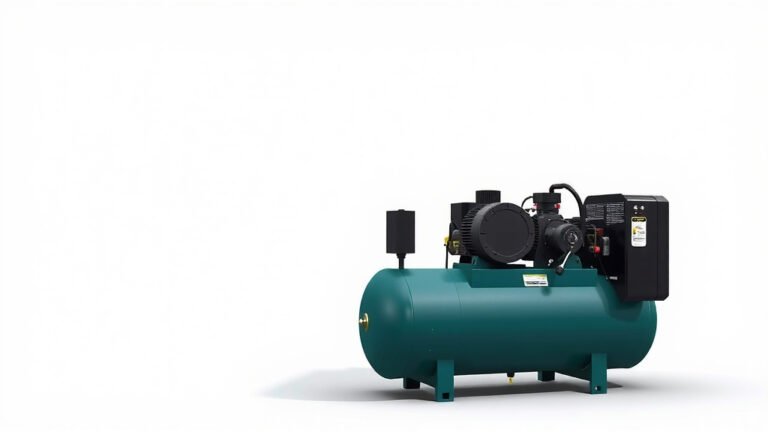
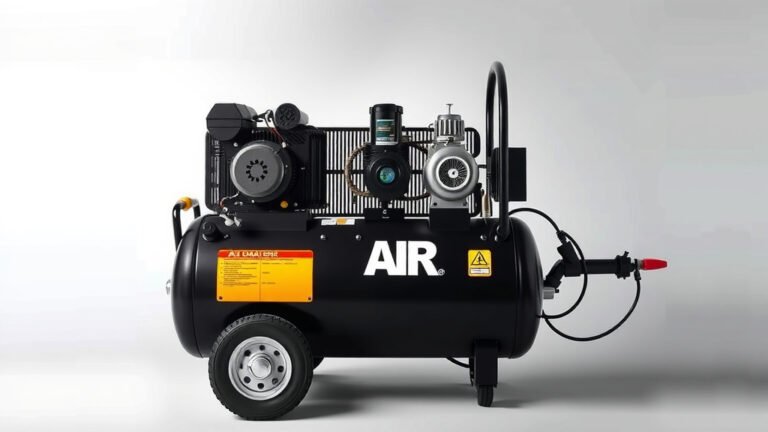
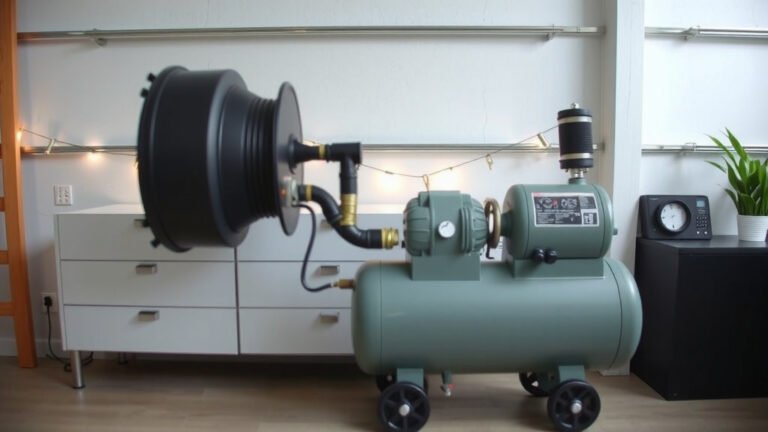
Your air compressor is the engine of this operation. It provides the burst of compressed air needed to kickstart the siphoning process. You don’t need a massive, industrial compressor. A reasonably sized portable air compressor, the kind you might use for inflating tires, is usually sufficient. The important part is that it can deliver a consistent flow of air pressure. We found that models capable of around 90-100 PSI work very well for this task.
The Siphon Adapter: Your Best Friend
This isn’t a job you can do with just a compressor and a hose. You’ll need a specific air-powered siphon adapter kit. These kits are readily available at auto parts stores and online. They typically come with a special nozzle that connects to your air compressor’s hose. This nozzle also has a fitting for the siphon hose that will go into the gas tank. Many kits include a collection hose and sometimes a storage container as well. Researching different adapter kits before buying is a good idea; some are designed for specific tasks, like fluid transfer or bilge pumping, but most will work for gasoline.
Gathering Your Essential Supplies
Before you can start, gathering everything you need is crucial for a smooth and safe operation. Having all your tools and safety gear ready prevents frustrating interruptions and potential hazards. We always recommend laying everything out so it’s easily accessible.
The Air Compressor and Accessories
As we mentioned, your air compressor is the power source. Make sure it’s in good working order and has enough air pressure built up to start. You’ll also need the air hose that connects your compressor to the adapter. Ensure this hose is compatible with both your compressor and the siphon adapter fittings. Inspect the hose for any cracks or leaks; a compromised hose can significantly reduce airflow and pressure.
The Siphon Kit Components
Your air-powered siphon kit is the star of the show. It will include the specialized nozzle and the siphon hoses. You’ll need one hose to go into the gas tank (the intake hose) and another to go into your collection container (the outlet hose). Some kits may provide these, while others might expect you to use your own compatible hoses. Check the kit’s instructions for recommendations.
Fuel Collection Container
You need a safe place to put the gasoline. An approved fuel container is non-negotiable. These containers are designed to safely store gasoline and prevent spills. Do not use anything that isn’t specifically made for fuel, like a regular plastic jug or bucket. Metal containers are often preferred for their durability and static-discharge properties. Ensure the container is clean and dry. You’ll want a container with a wide enough opening to easily accommodate the outlet hose.
Safety Gear: Don’t Skip This!
Working with gasoline requires strict adherence to safety precautions. Never skip your safety gear. You’ll need chemical-resistant gloves to protect your skin from gasoline, which can be harsh and absorb through the skin. Safety glasses or goggles are also vital to prevent splashes from entering your eyes. Many experts also recommend wearing a respirator mask if you’re working in a poorly ventilated area, as gasoline fumes can be harmful. Always work in a well-ventilated outdoor space. Many safety guidelines also advise against wearing synthetic clothing that can build up static electricity.
Step-by-Step Siphoning Process
Now that you have all your supplies, let’s walk through the actual siphoning process. We’ve broken it down into simple, manageable steps to make it easy for you. Remember to take your time and double-check each step.
Step 1: Prepare Your Workspace and Container
First things first, ensure you are in a well-ventilated outdoor area. Never do this in a garage or any enclosed space due to the flammability of gasoline fumes. Place your approved fuel container on a stable surface. Position it lower than the fuel tank you’re siphoning from. Gravity helps, but the vacuum is doing the heavy lifting here. Place a funnel in the opening of your collection container if it’s narrow.
Step 2: Connect the Siphon Adapter and Hoses
Take your air-powered siphon adapter. Connect the air inlet fitting to your air compressor hose. Next, attach the intake hose that will go into the gas tank to the appropriate port on the adapter. Ensure it’s a snug fit. Then, attach the outlet hose that will lead to your collection container. Double-check that all connections are secure. Loose connections can cause air leaks, preventing proper vacuum formation. We found that a firm push and twist, if the fittings allow, is usually sufficient.
Step 3: Insert Hoses into Tank and Container
Carefully place the end of the intake hose into the gasoline tank. Make sure it reaches down into the fuel, preferably near the bottom to get the most fuel out. Do not let the end of the intake hose touch the bottom of the tank if there’s any sediment present; you don’t want to suck that up. Now, place the other end of the outlet hose into your collection container. Make sure it’s positioned so the fuel won’t splash out as it starts flowing.
Step 4: Activate the Air Compressor
This is where the magic happens. Turn on your air compressor. Allow it to build up pressure for a moment. Once you hear the compressor cycle or reach its set pressure, the adapter should begin to create a vacuum. You might hear a slight hissing sound as the air is drawn through the adapter. Watch the outlet hose carefully. You should start to see fuel begin to flow into it and then into your collection container.
Step 5: Monitor and Disconnect
Keep an eye on both the fuel level in the source tank and the level in your collection container. The siphoning will continue as long as the compressor is running and the adapter is creating a vacuum. If your compressor has an automatic shut-off, it will stop when it reaches its pressure limit. If it’s a manual type, you’ll need to monitor it. Once you have transferred the desired amount of fuel, or the source tank is empty, turn off the air compressor. Disconnect the air hose from the adapter. Then, carefully remove the hoses from the tank and container. There might be a small amount of residual fuel in the hoses, so be prepared for that. Clean up any spills immediately.
Troubleshooting Common Issues
Even with the best intentions, sometimes things don’t go perfectly. If you’re not getting any fuel flow, don’t panic. Most issues are simple to fix. We’ve compiled some common problems and their solutions that might help.
No Fuel Flow Detected
If no fuel is moving, the first thing to check is your air pressure. Is the compressor running? Is there enough air in the tank? Many experts suggest at least 40-60 PSI to start the siphon effectively. Next, inspect all your hose connections. Are they secure? A small air leak can kill the vacuum. Wiggle each connection and ensure it’s tight. Also, make sure the intake hose is submerged in the fuel and isn’t blocked by debris.
Slow or Intermittent Flow
A slow or sputtering flow usually points to a partial air leak or insufficient air pressure. Re-check all connections for tightness. If your compressor has a regulator, ensure it’s set to an adequate pressure. Sometimes, simply letting the compressor run a little longer to build more pressure can solve the issue. We found that ensuring the intake hose isn’t kinked is also important here.
What to Do About Sediment
If you suspect you’ve sucked up some debris, stop the process immediately. You don’t want to clog your collection container or, worse, your vehicle’s fuel system later. If possible, try to reposition the intake hose slightly higher in the tank to avoid the bottom layer. Some siphon kits come with small strainers for this reason. If a lot of sediment is present, you might need to let it settle in the collection container before use, or consider filtering it.
Safe Storage and Disposal of Fuel
Once you’re done, safely store any leftover gasoline in an approved container. Always keep fuel containers upright and in a cool, well-ventilated area away from any ignition sources. Never pour gasoline down a drain or onto the ground. If you have a small amount of old or contaminated gasoline you need to dispose of, contact your local hazardous waste disposal facility for proper instructions. They are equipped to handle such materials safely.
Checklist for Success:
- Ensure you are in a well-ventilated outdoor area.
- Wear appropriate safety glasses and gloves.
- Use only approved fuel containers.
- Verify all hose connections are secure.
- Check your air compressor for adequate pressure.
- Never siphon near open flames or sparks.
Conclusion
You’ve learned how to use your air compressor to siphon gas, a method that’s both quicker and safer than traditional techniques. Remember, the key is the specialized adapter that creates the necessary vacuum. Always prioritize safety by working outdoors in a well-ventilated area and using the right protective gear. Now you’re equipped to handle those fuel transfer situations with confidence. Your next step is to gather your supplies and keep this guide handy for your next DIY fuel task.
Frequently Asked Questions
How much air pressure do I need from my compressor?
We found that most portable air compressors capable of around 90-100 PSI work well. For starting the siphon, aim for at least 40-60 PSI. Too little pressure means you won’t create enough vacuum to move the fuel effectively.
Can I use a regular garden hose with my air compressor for siphoning?
No, you cannot use a regular garden hose. You need a specialized air-powered siphon adapter kit. This kit includes a nozzle designed to create a vacuum when connected to your compressor’s air hose and the appropriate fittings for the siphon hoses.
What kind of container should I use for collecting gasoline?
Always use an approved fuel container specifically designed for gasoline storage. These containers prevent spills and are made from materials that can safely hold fuel. Avoid using general plastic jugs or buckets, as they are not designed for this purpose.
Is it safe to siphon gas in my garage?
Absolutely not. Gasoline fumes are highly flammable and can build up quickly in enclosed spaces. You must always work in a well-ventilated outdoor area, far away from any potential ignition sources like open flames, sparks, or even static electricity.
What if I accidentally suck up some sediment from the bottom of the tank?
If you notice sediment, stop the siphoning process immediately. Try to slightly raise the intake hose to avoid the bottom layer of the tank. Some kits include strainers to catch debris. If significant sediment is drawn into your collection container, let it settle before using the fuel or consider filtering it.