Air Compressor Paint Sprayer vs Airless: Which is Best
Choosing between an air compressor paint sprayer and an airless sprayer depends on your project’s needs. For projects requiring a super-fine finish on intricate surfaces, an air compressor system often delivers. Airless sprayers are generally faster for large areas and use less paint, making them ideal for broader applications like walls.
We found that both systems have their strengths and weaknesses. An air compressor offers more control and a smoother finish, but it requires more setup. Airless sprayers are known for their speed and efficiency but can sometimes produce a less refined coat. Understanding these differences helps you pick the right tool to save time and get the best results.
- Air compressor sprayers offer a finer finish for detailed work.
- Airless sprayers are quicker for large jobs and use less paint.
- Consider your project size and desired finish quality.
- Setup and portability are also important factors.
- Both can achieve professional results with the right technique.
Let’s break down exactly how each type of sprayer works and when you should use them.
Air Compressor Sprayer vs. Airless Sprayer: Which is Right for Your Project?
Deciding between an air compressor paint sprayer and an airless sprayer can feel like a big choice. We’ve looked into both systems. They both apply paint, but they do it in very different ways. This means one might be a better fit for your specific needs than the other. Let’s dive into how they work and where each shines.
Understanding How Each Sprayer Works
The Air Compressor Paint Sprayer: Gentle Atomization
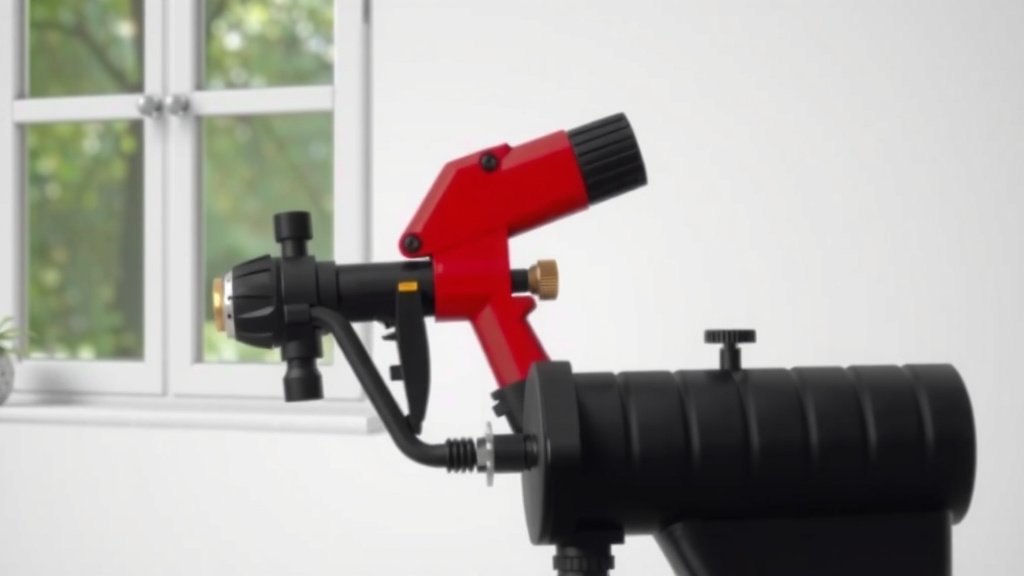
Think of an air compressor sprayer like a gentle mist. It uses compressed air to atomize (break into tiny droplets) the paint. This air then pushes the paint out of the spray gun and onto your surface. You’ll often need a separate compressor to power this type of sprayer. Many users find this system offers To understand compressor capabilities, learn about the difference between a 1 cylinder vs 2 cylinder air compressor.incredible control over the paint flow and spray pattern. It’s like having a precision brush, but much faster.
There are a few types of air compressor systems:
- High Volume, Low Pressure (HVLP): These use a lot of air at low pressure. This results in less overspray and more paint landing on your project. It’s great for furniture or cabinets.
- Conventional Sprayers: These use higher pressure. They are faster but can create more overspray.
The Airless Sprayer: High-Pressure Power
An airless sprayer works differently. It uses a powerful pump to force paint through a small tip under very high pressure. There’s no compressed air involved in the spraying itself. This high pressure is what atomizes the paint. Many professionals prefer airless sprayers for their speed and efficiency on large surfaces. You’ll find they can cover walls or fences much quicker than other methods.
The key here is that the pressure does all the work. This high pressure is what breaks the paint into a fine spray. It’s a simpler setup in terms of not needing a separate air compressor. Many users appreciate this simplicity for quick jobs.
When to Choose an Air Compressor Sprayer
For Fine Finishes and Detailed Work
If you’re aiming for a glass-smooth finish on furniture, cabinets, or delicate trim, an air compressor sprayer is often the top choice. We found that the gentle atomization process creates a beautifully uniform coat. It minimizes the chance of drips or uneven texture. This system allows for much finer control over the paint application. You can adjust the fan pattern and paint flow precisely.
Working with Different Paint Types
Air compressor sprayers are generally more versatile when it comes to paint consistency. They can handle thinner paints and stains well. This makes them ideal for automotive finishes or fine woodworking projects. Some HVLP systems are specifically designed to handle a variety of materials. This flexibility is a big plus for hobbyists and professionals alike.
Minimizing Overspray is Key
If your project is in a space where overspray is a major concern, an air compressor system, especially an HVLP, is your friend. HVLP sprayers are designed to put more paint onto the surface and less into the air. This means you’ll use less paint overall and spend less time masking off surrounding areas. Many users report significantly less cleanup with HVLP systems.
When to Choose an Airless Sprayer
Tackling Large Surfaces Quickly
When you have a big job, like painting the exterior of a house, a large fence, or a big room, an airless sprayer is a real time-saver. We found that these sprayers can cover a lot of ground very fast. The wide fan pattern and high output mean you can get the job done in a fraction of the time. It’s all about maximum coverage in minimum time.
Using Thicker Paints Efficiently
Airless sprayers excel at spraying thicker materials. Things like latex paint, primers, and even some heavier coatings are no problem for their powerful pump. You often don’t need to thin these paints as much, if at all. This can save you time and ensure you’re getting the best coverage from your paint. Many contractors prefer them for their ability to handle heavy-duty paints.
Saving Paint on Large Jobs
While they might seem like they use a lot of paint due to their speed, airless sprayers can actually be quite economical on large projects. Because they put down a thick, even coat quickly, you might need fewer coats overall. Also, less paint is lost to overspray compared to some air compressor setups. Many experts agree this leads to less wasted material on big surfaces.
Comparing Key Features in a Table
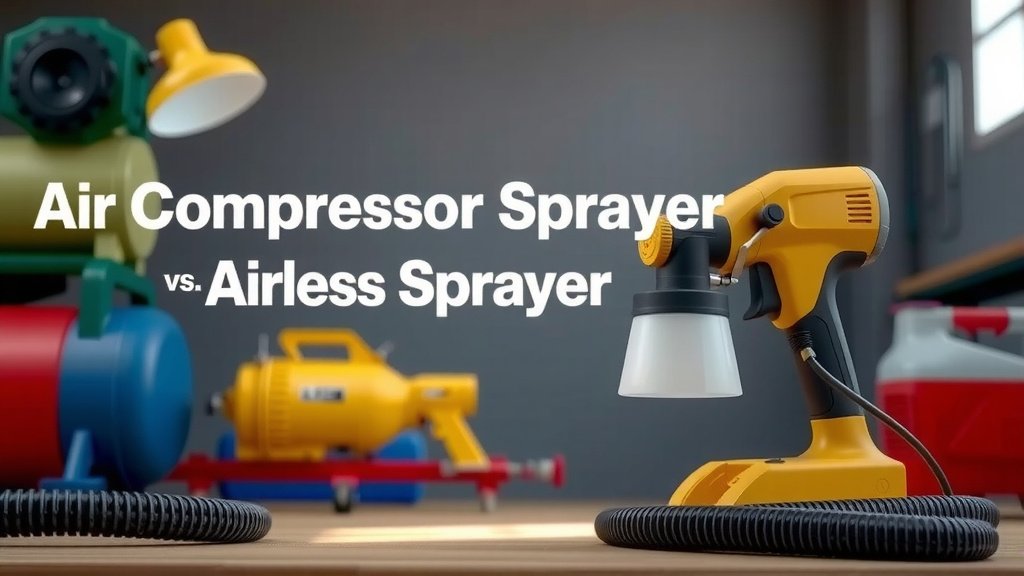
Let’s break down some of the main differences side-by-side. This might help you visualize which system best suits your project goals.
| Feature | Air Compressor Sprayer (HVLP) | Airless Sprayer |
|---|---|---|
| Finish Quality | Super-fine, smooth finish | Good finish, can be slightly less refined |
| Speed on Large Areas | Slower | Much faster |
| Overspray | Low (especially HVLP) | Higher |
| Paint Consistency | Best with thinner paints, stains | Handles thicker paints well |
| Setup Complexity | More complex (compressor needed) | Simpler setup |
| Portability | Less portable (compressor) | More portable |
| Control | High precision control | Less fine control |
Choosing the Right Sprayer for Your Project: A Quick Checklist
To help you make the final call, ask yourself these questions:
- What size is the area you need to paint?
- What type of finish are you trying to achieve?
- How much time do you have for the project?
- What kind of paint will you be using?
- How important is minimizing overspray for you?
- Are you comfortable with a more complex setup, or do you prefer simplicity?
By considering these points, you’ll be well on your way to selecting the perfect sprayer. Both systems, when used correctly, can help you achieve fantastic results and make your painting projects much more manageable. It’s all about matching the tool to the task.
Conclusion
Choosing between an air compressor sprayer and an airless sprayer boils down to your project’s specific demands. For that showroom-quality finish on detailed pieces, especially with thinner paints, the precision of an air compressor system is hard to beat. If speed and coverage on large surfaces are your priority, particularly with thicker paints, an airless sprayer will likely be your best ally. We’ve seen that understanding the differences in atomization, pressure, and application will help you pick the right tool. Make your decision based on your project size, desired finish, and time constraints to get the best results every time.
Frequently Asked Questions
Can I use my air compressor paint sprayer for both thin and thick paints?
Air compressor sprayers, especially HVLP models, generally work best with thinner paints and stains. Thicker paints may require thinning to flow properly through the system, which can sometimes affect the finish. If you frequently use thick coatings, an airless sprayer might be a better fit.
Will an airless sprayer give me a finish as smooth as an air compressor sprayer?
An airless sprayer can achieve a good finish, but it typically won’t match the super-fine, glass-like smoothness that an air compressor sprayer (especially HVLP) can produce on detailed work. Airless sprayers are optimized for speed and coverage on larger areas.
How much setup is involved with each type of sprayer?
Air compressor sprayers require more setup because you need to connect them to an air compressor, manage air hoses, and potentially adjust pressure settings. Airless sprayers generally have a simpler setup; you just connect the paint hose and power on the unit.
Which sprayer is better for painting the exterior of a house?
For painting the exterior of a house or other large structures, an airless sprayer is usually the preferred choice. Its high-speed application and ability to handle thicker paints make it significantly more efficient for covering large surface areas quickly.
Is one type of sprayer easier to clean than the other?
Cleaning can vary, but generally, airless sprayers might be considered slightly easier to clean after a large job due to fewer components to disassemble compared to an air compressor system that includes the compressor, hose, and gun.