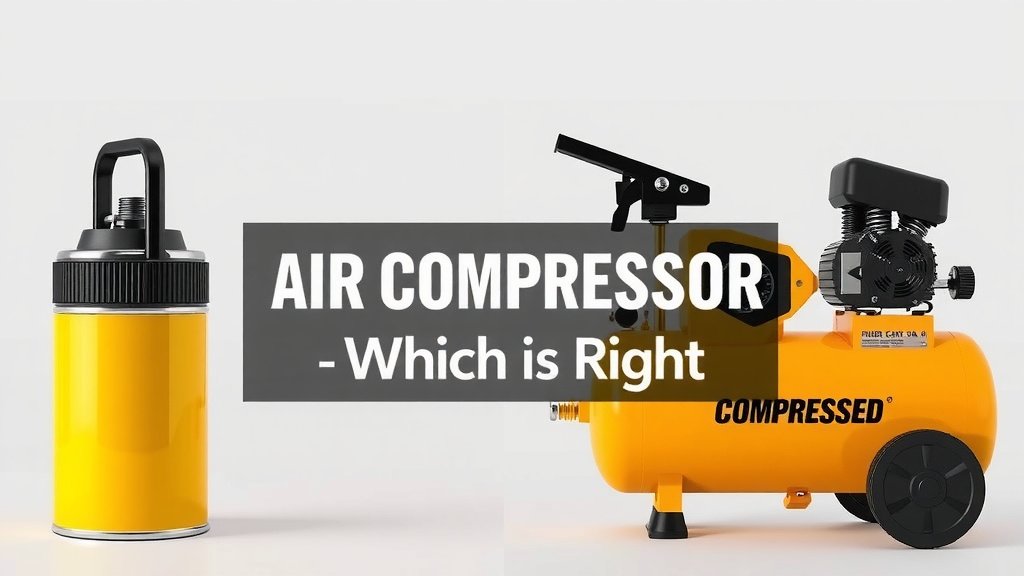
Compressed Air Can vs Air Compressor: Which is Right
When choosing between a compressed air can and an air compressor for cleaning tasks, an air compressor is the clear winner for sustained power and efficiency. While cans offer quick bursts of air for light dusting, they run out fast and can get cold. An air compressor provides a constant stream of air, perfect for tackling larger jobs or more stubborn dust and debris.
You might be wondering which tool is best for your needs. Compressed air cans are convenient for small, occasional messes on your desk or keyboard. But if you need to clean tools, electronics, or workshops regularly, an air compressor is a more powerful and cost-effective solution over time. We found that the initial investment in an air compressor pays off quickly.
- Compressed air cans are good for small, quick jobs.
- They run out of air quickly.
- Air compressors provide continuous airflow.
- They are better for larger or frequent cleaning tasks.
- An air compressor is generally more cost-effective long-term.
Let’s dive into the details of each option and help you decide which one is the right fit for your toolbox!
“`htmlComparing Air Dusters: Cans vs. Compressors
Choosing between a compressed air can and an air compressor for your cleaning needs can feel like a big decision. We’ve looked into both options to help you figure out which one truly fits your lifestyle and your cleaning tasks. Think of it this way: a compressed air can is like a mini-fire extinguisher for tiny sparks. An air compressor is more like a powerful industrial blower for a whole forest fire.
The Case for Compressed Air Cans
Compressed air cans are incredibly convenient. You can pick them up at almost any store. They’re small and easy to store. They’re perfect for quick touch-ups.
When Cans Shine Brightest
These cans are your go-to for those little bursts of air. Got a speck of dust on your camera lens? A few quick blasts from a can will do the trick. Maybe your keyboard has some crumbs lodged between the keys. A can is handy for that too. They are great for electronics that are sensitive to moisture or static.
The Downsides of Cans
However, compressed air cans have their limits. The biggest issue is how fast they run out. For anything more than a small dusting job, you’ll find yourself reaching for a second, then a third can. This quickly becomes expensive. Plus, as the can empties, the propellant can get cold. This might spray a liquid propellant, which you definitely don’t want on your electronics.
- Pros: Portable, easy to find, good for tiny jobs.
- Cons: Limited air supply, can get cold, expensive for frequent use, potential liquid spray.
Understanding Air Compressors
An air compressor is a much more substantial tool. It works by taking in ambient air and forcing it into a storage tank under pressure. This stored air can then be released as needed through a hose and nozzle. Think of it as a reservoir of cleaning power.
Power and Longevity
The main advantage of an air compressor is its consistent and powerful airflow. Unlike cans that sputter out, an air compressor provides a steady stream of air. This means you can tackle larger areas or more stubborn dust and debris without interruption. Many models offer adjustable pressure, so you can control the intensity of the air blast.
Versatility Beyond Dusting
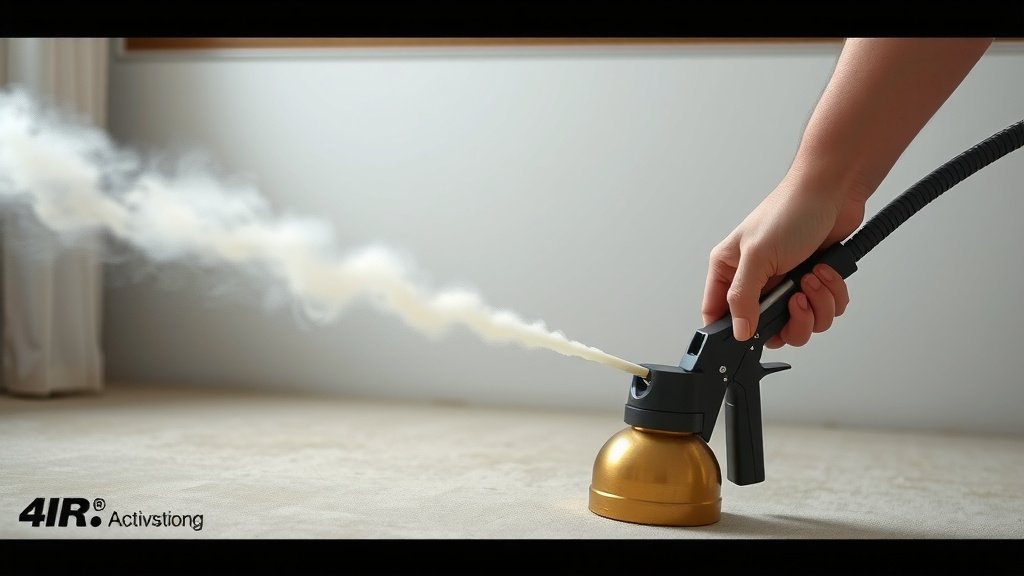
Air compressors are incredibly versatile. While they excel at cleaning dusty workshops, tools, and electronics, their uses extend far beyond that. You can use them to inflate tires on your car or bike, power pneumatic tools like nail guns, or even paint surfaces with a spray gun attachment. This makes an air compressor a truly multi-functional investment.
Types of Air Compressors
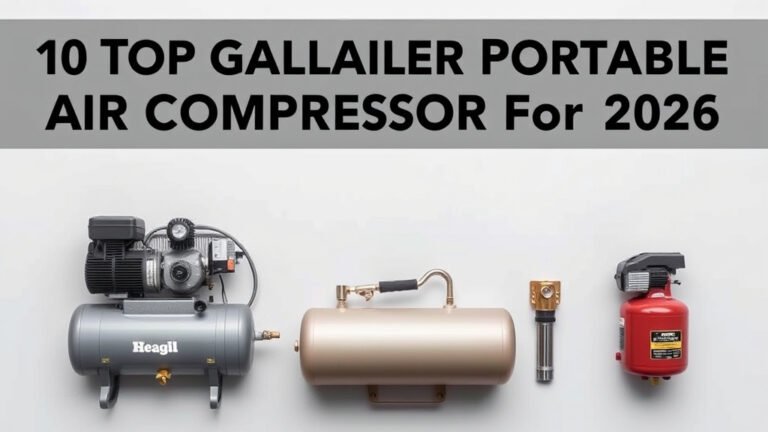
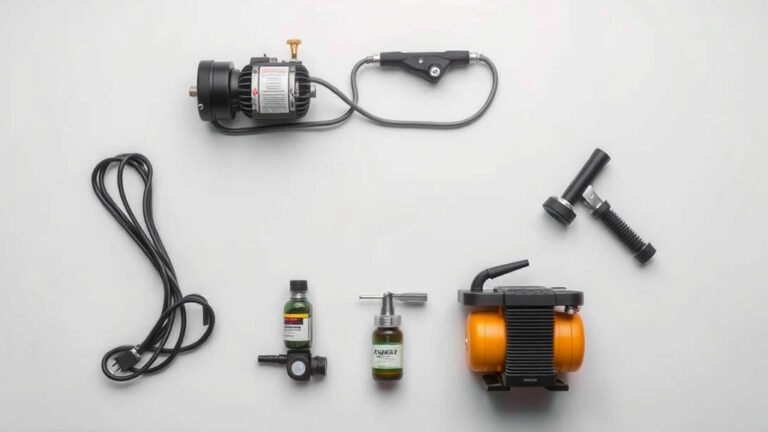
There are different types of air compressors, but for cleaning purposes, you’ll likely be looking at smaller, portable models. These are often called ‘pancake’ compressors or ‘hot dog’ compressors due to their shape. They are relatively lightweight and easy to move around your workspace. Some are very quiet, which is a nice bonus!
The Cost Factor
Yes, an air compressor has a higher upfront cost than a can of air. However, when you consider how quickly cans add up, the compressor becomes much more economical in the long run. We found that for anyone who cleans regularly or has larger areas to manage, the cost savings are substantial.
Head-to-Head Comparison: Cans vs. Compressors
Let’s lay out a clear comparison. It’s not just about which one is better, but which one is better *for you*.
| Feature | Compressed Air Can | Air Compressor |
|---|---|---|
| Initial Cost | Low | Medium to High |
| Running Cost | High (for frequent use) | Low |
| Air Supply | Limited, depletes quickly | Continuous, on-demand |
| Power/Pressure | Low, inconsistent | High, adjustable |
| Portability | Excellent | Good (for smaller models) |
| Versatility | Limited (mainly dusting) | High (cleaning, inflation, tools, painting) |
| Best For | Occasional, very small jobs | Regular, larger, or more demanding tasks |
Making Your Choice: A Quick Checklist
To help you decide, ask yourself these questions:
- Do you clean electronics or keyboards very often?
- Do you have a workshop that needs regular dusting?
- Are you tired of constantly buying new cans of air?
- Would you be interested in other uses for an air tool, like inflating tires?
- What is your budget for cleaning tools?
If you answered “yes” to several of these, an air compressor is likely your best bet. If your needs are minimal and occasional, a can might suffice. We found that most people who try an air compressor for their cleaning tasks rarely go back to cans.
“`Conclusion
You’ve seen how compressed air cans offer quick fixes for tiny messes. They’re handy for your desk or a quick keyboard clean. But for any regular or larger cleaning jobs, an air compressor truly shines. It provides the power and consistent airflow you need. We found that the long-term cost savings and versatility make an air compressor a smart investment for your toolbox. Consider your cleaning frequency and project size to make the best choice for your needs!
Frequently Asked Questions
Can I use a compressed air can for cleaning my computer’s fan?
Yes, a compressed air can is suitable for lightly dusting computer fans. Just be sure to use short bursts and hold the can upright to avoid spraying any propellant. For very dusty or larger components, an air compressor might be more efficient.
How often do I need to refill an air compressor?
Air compressors don’t need refilling in the way you might think. They constantly pull in ambient air to maintain pressure in their tank. You just need to ensure they are plugged in when you want to use them, and they’ll be ready to go.
Is an air compressor too loud for home use?
Some air compressors can be noisy, but many smaller, portable models designed for cleaning are surprisingly quiet. You can often find models advertised as “quiet” or “low-noise” if sound is a concern for your workspace.
Can I paint with an air compressor if I only bought it for cleaning?
Absolutely! If you get a versatile air compressor, you can often use it for painting with the right attachments. This adds significant value beyond just dust removal, making it a great multi-purpose tool.
Are compressed air cans bad for the environment?
Many compressed air cans use propellants that can be harmful to the environment. As you need to buy them more frequently for ongoing use, this can lead to more waste compared to the one-time purchase and long-term use of an air compressor.