CO2 vs Air Compressor: Which is Right for You
When choosing between a CO2 and an air compressor for your tools, know that CO2 tanks are best for small, intermittent bursts of air, while air compressors provide a continuous supply. If you need power for DIY projects or car maintenance, an air compressor is usually the way to go. CO2 is more for novelty items or specific, limited applications like powering a soda dispenser. So, while they both use pressurized gas, their best uses are quite different.
Think of it this way: an air compressor is like your home’s water main, ready to go whenever you turn on the faucet. A CO2 tank is more like a single-use water bottle, great for a quick drink but not for filling a pool. We found that understanding your tool’s air demands is key to picking the right setup. You don’t want to run out of air mid-task!
- CO2: Quick bursts, limited supply, good for novelty.
- Air Compressor: Continuous air, versatile for many tools.
- Consider your tool’s air needs.
- Match the air source to your project type.
Let’s walk through the main differences so you can pick the perfect air solution for your needs.
Comparing CO2 and Air Compressors for Your Projects
So, you’re trying to figure out whether a CO2 tank or a traditional air compressor is the right fit for your tools. It’s a common question, and the answer really boils down to how you plan to use your tools and the kind of air supply they need.
Understanding CO2: Quick Bursts and Limited Supply
Let’s start with CO2 tanks. Think of them as a highly concentrated burst of energy. They store compressed carbon dioxide gas under pressure. When you release it, it comes out with a lot of force, but the tank empties relatively quickly.
Where CO2 Shines (and Where It Doesn’t)
We found that CO2 is fantastic for applications that require short, powerful bursts of air. It’s often used for things like powering BB guns or pellet guns for target practice. Another common use is in beverage dispensing systems, like soda fountains, to carbonate drinks. You might also see it used in some novelty items or for quick inflation of small inflatables.
The main limitation? The supply is finite. Once the CO2 is gone, you need to refill or replace the tank. This makes it less ideal for tasks that require a continuous or long-lasting air supply. Imagine trying to paint a whole room with a CO2 tank – you’d be swapping tanks constantly!
CO2 Tanks: The Upsides and Downsides
- Pros: Portable, deliver high pressure for short bursts, great for specific, non-continuous tasks.
- Cons: Limited air supply, requires refills, can be expensive long-term for frequent use, not suitable for continuous operation.
Air Compressors: The Continuous Powerhouse
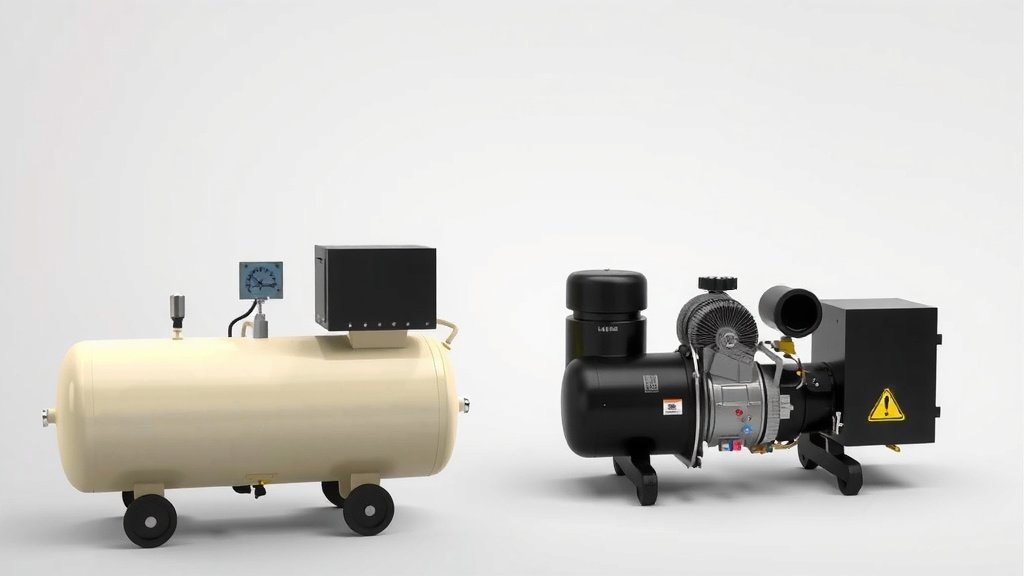
An air compressor, on the other hand, is designed to provide a steady, continuous stream of compressed air. It works by using a motor and a pump to compress ambient air and store it in a tank. The size of the tank determines how long it can supply air before the pump needs to kick in and re-pressurize it.
Versatility for a Wide Range of Tools
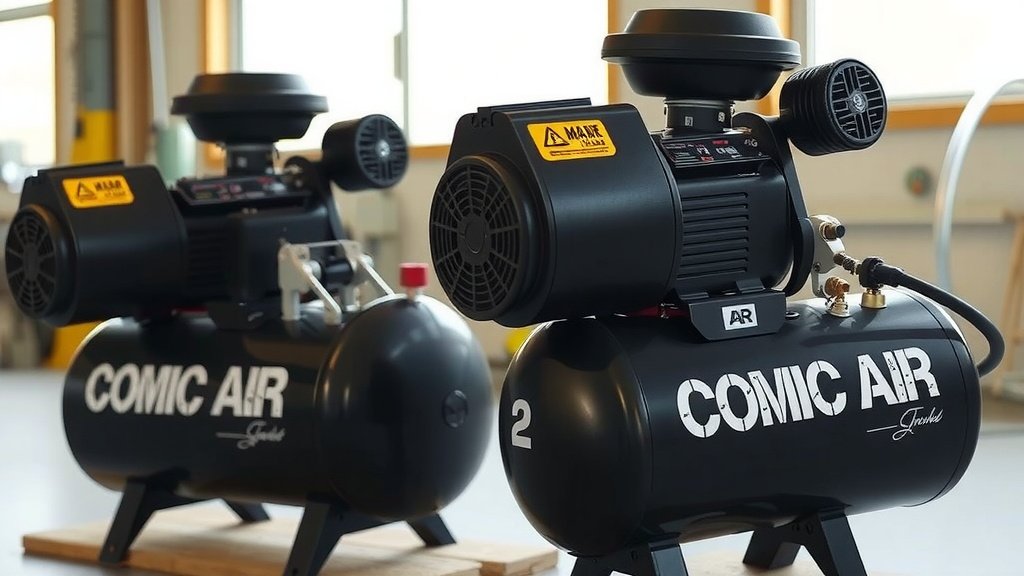
This continuous supply makes air compressors incredibly versatile. If you’re a DIY enthusiast, a mechanic, or a contractor, an air compressor is likely what you need. You can power air nailers for woodworking, use impact wrenches for car repairs, run sanders for finishing projects, or even use air brushes for painting intricate designs.
The variety of tools you can connect to an air compressor is vast. They’re built for sustained use. You don’t have to worry about running out of air mid-task, which is a huge advantage for productivity. Many experts agree that for common workshop and home use, an air compressor offers the best balance of power and runtime (Occupational Safety and Health Administration).
Air Compressors: Key Features and Benefits
- Pros: Continuous air supply, can power a wide array of pneumatic tools, ideal for extended use, tanks can be refilled from the air around you.
- Cons: Generally larger and heavier than CO2 tanks, require electricity to operate (except for some specialized models), initial cost can be higher.
Direct Comparison: What’s the Real Difference?
Let’s break down the core differences in a way that’s easy to digest. When we looked at them side-by-side, the primary distinction is clear: delivery method and duration.
Power Source and How It Works
A CO2 tank is a pre-filled, sealed container. You open a valve, and the gas rushes out until the tank is empty. An air compressor is an active machine. It draws in air, compresses it, and stores it in its own tank, ready for you to use. The compressor will cycle on and off to maintain pressure.
Typical Applications
Here’s a quick rundown of where you’ll typically find each:
- CO2: BB guns, paintball guns, soda dispensers, small emergency tire inflators, quick bursts for cleaning small areas.
- Air Compressor: Pneumatic nail guns, impact wrenches, spray painters, sanders, air ratchets, tire inflation for larger vehicles, general shop use.
Portability and Convenience
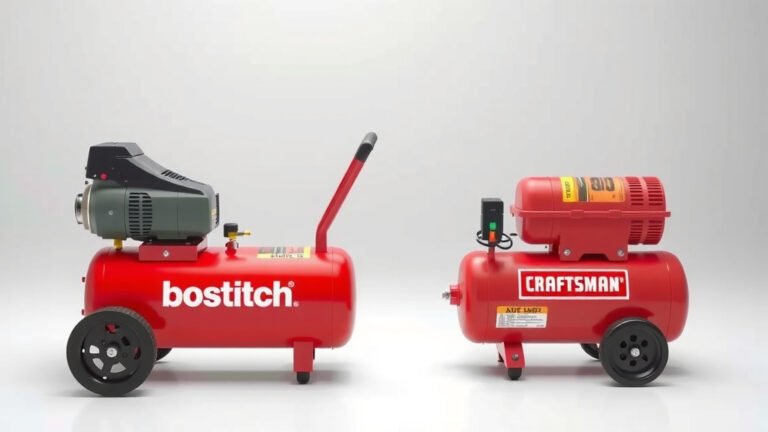
CO2 tanks are usually much more portable. They are often small and lightweight, making them easy to carry around. Air compressors vary greatly in size. Small “pancake” compressors are quite portable, but larger stationary units are not. However, even portable compressors need a power source, typically an electrical outlet, though some are gas-powered.
Refilling and Ongoing Costs
Refilling a CO2 tank involves taking it to a specialty store that sells compressed gases. This can be an added trip and expense. Air compressors, on the other hand, refill themselves from the surrounding air. You just need to ensure the tank has power and is functioning correctly. Many sources suggest that for regular use, an air compressor is far more economical long-term.
Making Your Choice: A Quick Checklist
Still on the fence? Ask yourself these simple questions. We found this helps clarify your needs:
- Do you need air for quick, single bursts, or a continuous flow?
- How long do your typical tasks take?
- What specific tools will you be powering?
- Is portability the most important factor?
- Do you have access to electricity where you’ll be working?
- What’s your budget for initial purchase and ongoing use?
When Is CO2 the Right Pick?
You should lean towards a CO2 setup if your primary need is for occasional, high-power bursts. Think about airsoft guns, CO2-powered pellet pistols, or powering a home soda maker. If you need something for a quick, one-off job where you’ll use a tool for just a few seconds, CO2 can be convenient. It’s also a good choice if you absolutely need a portable solution and don’t have access to power.
When Should You Get an Air Compressor?
An air compressor is the clear winner for most people who use air-powered tools regularly or for extended periods. If you’re building furniture, working on your car, or tackling any project that requires sustained use of pneumatic tools like nail guns, impact wrenches, or sanders, this is your go-to. It provides the consistent airflow needed to keep your tools running efficiently and powerfully. Many manufacturers recommend air compressors for their tool lines for optimal performance.
Conclusion
You’ve seen how CO2 tanks and air compressors serve very different purposes. CO2 is your go-to for quick, powerful bursts of air, perfect for specific hobbies or novelty items. Air compressors, on the other hand, are the workhorses for most DIYers and professionals, offering a continuous supply for a wide range of tools. Think about your tools’ demands and how long you’ll be using them. Making this choice means you’ll have the right air power for your projects, avoiding frustrating mid-task interruptions. So, consider your needs carefully, and you’ll be set for success!
Frequently Asked Questions
Can I use a CO2 tank for inflating car tires?
While a CO2 tank can inflate a tire in a pinch, it’s generally not recommended for regular use. They offer a limited amount of air, and you’d likely deplete the tank quickly. An air compressor is a much better and more consistent option for car tire maintenance.
How long does a CO2 tank typically last?
The lifespan of a CO2 tank depends heavily on its size and what you’re using it for. For small applications like BB guns, a tank might last for hundreds of shots. For larger tasks, like rapidly deflating something, it could be empty in minutes.
Do air compressors need maintenance?
Yes, air compressors do require some basic maintenance. You’ll need to drain the moisture from the tank regularly and check the oil levels if it’s an oil-lubricated model. Filter cleaning or replacement is also important for optimal performance.
Are CO2 tanks safe to use indoors?
Generally, yes, CO2 tanks are safe for indoor use when handled properly. However, it’s important to ensure good ventilation, as CO2 can displace oxygen in enclosed spaces if there’s a significant leak. Always follow the manufacturer’s safety guidelines.
Can an air compressor power multiple tools at once?
Whether an air compressor can power multiple tools depends on its size and the CFM (cubic feet per minute) rating of the tools. Larger compressors with higher CFM outputs can often handle multiple tools, while smaller ones might struggle to keep up.