Dyson vs Coway Air Purifier: Which is Best for You
In the quest for cleaner air in 2026, the perennial showdown between Dyson and Coway air purifiers continues to dominate living rooms and home offices. While Dyson continues to impress with its sleek aesthetics and cutting-edge tech, it’s often Coway that emerges as the champion for everyday users, striking an enviable sweet spot between powerful performance and wallet-friendly pricing. If you’re weighing these two giants, we’re here to help you cut through the noise and determine which Dyson vs Coway air purifier is truly the best for your unique needs and budget.
Both brands are known for producing effective air purifiers designed to tackle common indoor air pollutants. You might be wondering which brand will truly make a difference in your home’s air quality. We’ve looked at the specs and user feedback to see which brand truly cleans your air efficiently and offers the best long-term value.
- Coway often provides a better value for money.
- Dyson offers sleek designs and innovative features.
- Consider your budget and specific air quality concerns.
- Both brands are popular for effective air purification.
Let’s dive into a detailed comparison to help you decide which air purifier is the best fit for your home.
Dyson vs. Coway: Which Air Purifier Cleans Your Air Best?
When you’re looking to improve your home’s air quality, choosing the right air purifier can feel like a big decision. You want something that works well without breaking the bank. We’ve researched both Dyson and Coway air purifiers to help you make an informed choice.
Both brands are well-regarded, but they often appeal to different priorities. Dyson tends to focus on sleek design and advanced, often app-controlled, features. Coway, on the other hand, is frequently praised for delivering strong purification performance at a more accessible price point. Let’s break down what makes each stand out.
Understanding Air Purifier Technologies
Before we compare models, it helps to know a bit about how air purifiers work. Most use a combination of filters to trap pollutants.
HEPA Filters: The Gold Standard
The most important filter is usually a True HEPA filter. This type captures 99.97% of particles down to 0.3 microns. Think of tiny things like dust mites, pollen, pet dander, and mold spores. Both Dyson and Coway typically use True HEPA filters in their models. This is a key feature for effective air cleaning (American Lung Association).
Activated Carbon Filters: Tackling Odors and VOCs
Beyond particles, you might want to tackle smells and chemicals. Activated carbon filters are great for this. They absorb gases like cooking odors, pet smells, and volatile organic compounds (VOCs) often found in cleaning products or new furniture. Most good air purifiers include these.
Performance: How Well Do They Clean?
Ultimately, you want an air purifier that actually cleans your air. This is where we see some differences.
CADR Ratings: A Measure of Speed
You’ll often see something called a Clean Air Delivery Rate (CADR). This tells you how quickly a purifier can clean a room of smoke, dust, and pollen. Higher CADR numbers mean faster cleaning. While both brands offer models with good CADR ratings, some independent tests suggest Coway models often perform slightly better relative to their room size recommendations.
Coverage Area: Matching the Room Size
It’s vital to match the air purifier’s capacity to your room size. An undersized unit will struggle. Both Dyson and Coway offer a range of sizes. A Dyson purifier might be great for a smaller, stylish living space, while a Coway could be more suitable for a larger bedroom needing robust, quiet air cleaning.
Real-World Effectiveness
User reviews and some comparative studies often highlight that Coway purifiers consistently receive high marks for reducing allergens and improving air quality in everyday homes. While Dyson units are effective, their higher price point sometimes leads users to expect a more dramatic difference than they experience, especially in moderately polluted environments.
Design and Features: What Else Do You Get?
This is where Dyson often shines, and where your personal preference can play a big role.
Dyson’s Innovative Approach
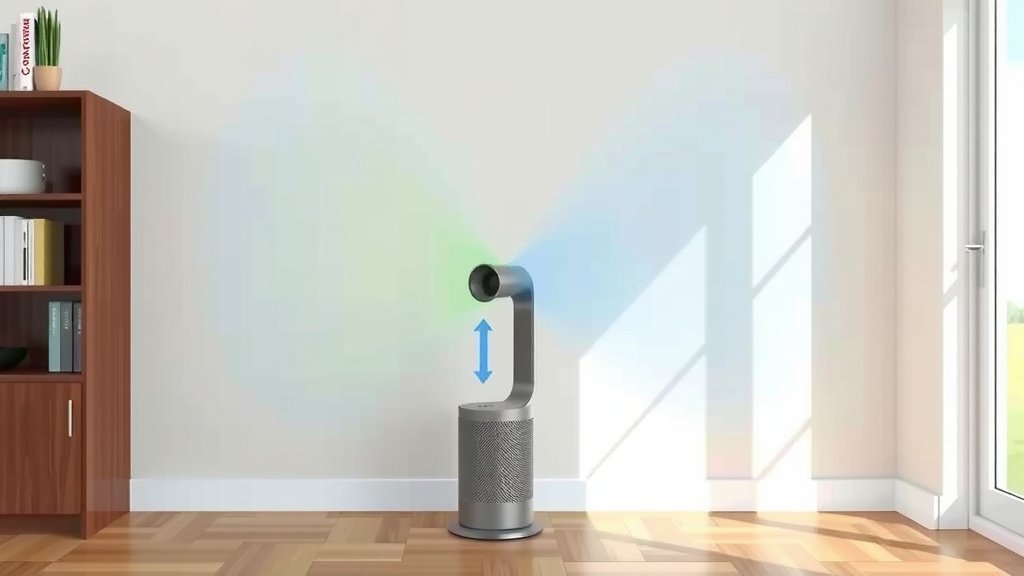
Dyson is known for its unique, often bladeless designs. Many of their purifiers double as fans or heaters, offering multi-functionality. They also heavily integrate smart technology, with detailed air quality reports, scheduling, and remote control via their app. If you love having data at your fingertips and a modern aesthetic, Dyson is appealing.
Coway’s User-Centric Design
Coway models tend to have a more traditional, albeit still sleek, design. They focus on ease of use and reliable performance. Many Coway units feature intuitive controls, quiet operation modes (especially at night), and helpful filter replacement indicators. They aim to be effective without unnecessary complexity.
Noise Levels: A Peaceful Home
For many, a quiet air purifier is a must, especially for bedrooms or offices. Coway models are frequently praised for their whisper-quiet operation on lower settings. Dyson units can also be quiet, but their fan-focused models might produce more noticeable airflow noise on higher speeds.
Cost and Value: Your Budget Matters
Let’s talk about the elephant in the room: price.
Initial Purchase Price
Generally, Dyson air purifiers are significantly more expensive than comparable Coway models. You’re paying a premium for their advanced technology, patented features, and brand name. Coway offers a wide range of price points, often providing excellent purification performance for a much lower investment.
Long-Term Costs: Filters and Energy
Don’t forget about filter replacement costs. Both brands require periodic filter changes. You’ll need to factor this into your budget. We found that Coway replacement filters are typically more affordable than Dyson’s. Energy consumption is usually comparable for similar-sized units, but always check the Energy Star ratings if this is a concern for you.
Key Differences at a Glance
Here’s a quick way to see where each brand tends to lead:
| Feature | Dyson | Coway |
|---|---|---|
| Price | Higher | More Affordable |
| Design | Modern, Multi-functional (fan/heater) | Traditional, Sleek |
| Smart Features | Extensive App Control, Data Tracking | Basic Auto/Timer Modes, Some App Control on Higher-End Models |
| Noise Level | Can be noticeable on higher fan speeds | Very Quiet on Low Settings |
| Filter Replacement Cost | Higher | More Affordable |
| Performance (General Perception) | Effective, Stylish | Highly Effective, Great Value |
Making Your Choice: What’s Right for You?
So, which one should you bring home?
Consider Your Priorities
If your top priorities are a stylish design, advanced smart features, and possibly a unit that also functions as a fan or heater, Dyson might be worth the investment. You’re getting a high-tech gadget that looks good in your home.
However, if your main goal is simply to achieve cleaner air effectively and affordably, Coway is likely the better choice. They consistently deliver strong purification performance that rivals more expensive brands, making them an excellent value proposition for most households.
Think about these quick questions:
- What’s your budget for the initial purchase?
- How large is the room you need to purify?
- Are features like app control a must-have for you?
- How sensitive are you to noise from appliances?
- Are you looking for a unit with multiple functions (fan, heater)?
- How important is ongoing filter cost to your budget?
Conclusion
When weighing Dyson against Coway air purifiers, your choice boils down to priorities and budget. We found that Coway generally offers a more compelling combination of effective air cleaning and affordability for everyday homes. They consistently deliver strong performance without the premium price tag.
Dyson excels with its advanced technology, smart features, and stylish, multi-functional designs. If these high-tech elements and aesthetics are most important to you, they can be a good investment. However, for pure, cost-effective air purification, Coway remains a top contender. Consider your primary needs for clean air and your budget to make the best decision for your home.
Frequently Asked Questions
Which brand is better for allergies, Dyson or Coway?
Both brands use True HEPA filters, which are excellent for capturing allergens like pollen and pet dander. Based on user feedback and performance perceptions, Coway models often receive slightly higher praise for consistently reducing allergy symptoms in typical home environments at a lower cost.
Are Dyson air purifiers worth the extra cost?
Dyson air purifiers are worth it if you highly value their innovative multi-functional designs (like built-in fans or heaters), extensive app control, and sleek aesthetics. You’re paying for advanced technology and a premium brand experience beyond just air purification.
How often do I need to replace filters for Dyson and Coway?
Filter replacement frequency varies by model and usage, but generally expect to replace filters every 6-12 months for both brands. Coway replacement filters are typically more affordable than Dyson’s, making the long-term cost lower.
Can Dyson or Coway air purifiers help with pet odors?
Yes, both brands typically include activated carbon filters designed to absorb odors and VOCs. While both can help, the effectiveness can depend on the specific model’s carbon filter density and the overall air purification performance of the unit in your space.
Are Coway air purifiers quiet enough for a bedroom?
Many Coway air purifiers are specifically praised for their very quiet operation, especially on lower settings. They are often a popular choice for bedrooms and living areas where a peaceful environment is desired, making them a good option if noise is a concern for you.