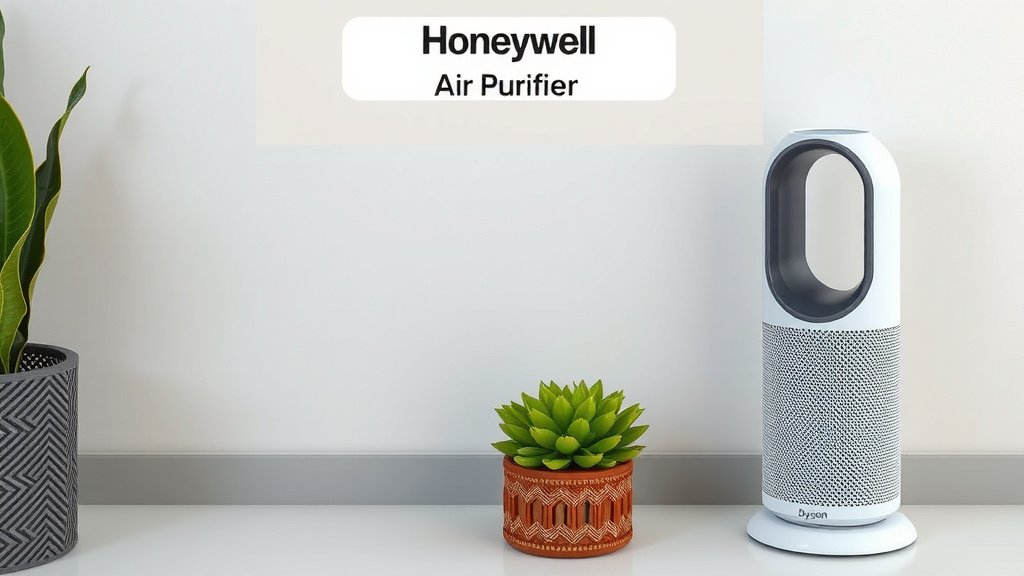
Dyson vs Honeywell Air Purifier: Which is Best for You
Navigating the air purifier landscape in 2026 can feel overwhelming, especially when the titans Dyson and Honeywell are on your radar. The ultimate winner in the Dyson vs Honeywell air purifier showdown isn’t a one-size-fits-all answer; it’s about pinpointing what truly matters for your home and your wallet. Dyson consistently pushes the envelope with cutting-edge filtration tech and intuitive smart integrations, while Honeywell remains a go-to for delivering robust air-cleaning power without breaking the bank, making it a staple in countless living spaces.
Both brands are known for their commitment to air quality. We found that Dyson units often boast unique technologies like bladeless fans and app connectivity for remote control. Honeywell, on the other hand, frequently offers robust, no-nonsense air cleaning with straightforward operation and proven HEPA filtration, which many users appreciate for its reliability and value.
- Dyson: Known for high-tech features, premium design, and often higher price points.
- Honeywell: Offers solid performance, reliability, and typically more budget-friendly options.
- Consider your budget and desired smart features.
- Both use HEPA filters to capture allergens.
To help you make the right decision for your home, we’ve broken down what makes each brand stand out. Let’s take a closer look at how Dyson and Honeywell stack up against each other.
Comparing Dyson and Honeywell Air Purifiers for Your Home
When you’re thinking about an air purifier, you want something that effectively cleans your air. You might be wondering how Dyson and Honeywell stack up. We’ve looked at what each brand brings to the table, and it really comes down to what you prioritize. Do you love the latest tech, or do you prefer a straightforward, reliable performer? Let’s break down some key differences to help you decide.
Understanding Filtration Technology
At their core, air purifiers are about filtration. Both Dyson and Honeywell use advanced filters, but they often package them a bit differently. Think of it like choosing between a sports car and a dependable truck – both get you there, but the journey feels unique.
HEPA Filters: The Foundation of Clean Air
You’ll find HEPA filters in most quality air purifiers, and these two brands are no exception. HEPA stands for High-Efficiency Particulate Air. These filters are designed to capture 99.97% of particles as small as 0.3 microns. This includes common irritants like dust, pollen, pet dander, and mold spores. It’s a solid baseline for healthy air quality. Many health organizations recommend HEPA filtration for allergy and asthma sufferers (CDC).
Beyond HEPA: What Else Do They Filter?
Where things get interesting is what happens after the HEPA stage. Many air purifiers, including models from both Dyson and Honeywell, also include activated carbon filters. These are excellent for trapping odors and volatile organic compounds (VOCs). VOCs can come from household cleaners, paints, and even furniture. You know that “new car smell”? That’s often VOCs at work, and you don’t want that lingering in your home air.
Dyson’s Multi-Stage Approach
Dyson often goes a step further. Their purifiers typically feature a combination of a sealed HEPA filter and an activated carbon layer. What’s particularly clever is how they seal their filters. This prevents dirty air from bypassing the filter and re-entering your room. We found that this attention to detail in their filtration system is a hallmark of Dyson’s design philosophy.
Honeywell’s Robust Filtration
Honeywell also offers robust multi-stage filtration. Many of their units include a HEPA filter alongside an odor-reducing carbon pre-filter. They focus on delivering effective capture of pollutants. While they might not always highlight the “sealed system” aspect as much as Dyson, their filters are proven to perform well in real-world conditions. Their aim is straightforward: clean the air effectively.
Smart Features and User Experience
How you interact with your air purifier is a big part of the experience. Do you want to fiddle with buttons, or control everything from your phone?
Dyson’s Tech-Forward Design
Dyson is known for its innovation and smart technology. Many of their air purifiers double as fans or heaters, offering year-round functionality. You can often control these units via a smartphone app. This means you can check your air quality, adjust settings, and set schedules, all from your phone. It’s quite convenient, especially if you’re away from home. Some models even feature voice control integration.
Honeywell’s User-Friendly Simplicity
Honeywell often takes a more direct approach. Their purifiers are typically designed for ease of use. You’ll find simple controls, often with clear indicator lights for filter changes and fan speed. While not all Honeywell models are “smart” in the app-controlled sense, they are incredibly easy to operate. Many users appreciate this straightforwardness. Just plug it in, turn it on, and let it work.
App Connectivity and Remote Control
If app control is a must-have, Dyson generally leads the pack. Their connected devices offer a high level of control and monitoring. You can see real-time air quality reports and get notifications. Honeywell does offer some app-connected models, but it’s more common in their higher-end lines. For many, a simple display panel on the unit is perfectly sufficient.
Performance and Coverage
An air purifier’s effectiveness is measured by how well it cleans the air and in what size space. Both brands offer units for various room sizes.
CADR Ratings and Room Size
When looking at performance, you’ll often see CADR (Clean Air Delivery Rate) ratings. This tells you how quickly the purifier can clean the air. Higher CADR ratings mean faster cleaning. Both Dyson and Honeywell provide units with strong CADR ratings, suitable for different room dimensions. It’s important to match the purifier’s capacity to your room size for optimal performance.
Noise Levels: A Quiet Helper
Noise is another factor. No one wants a purifier that sounds like a jet engine. Dyson units, especially their bladeless fan models, are often engineered for quieter operation, particularly at lower fan speeds. Honeywell units can vary. Some are designed to be very quiet, while others might be more noticeable, especially at higher settings. Reading reviews for specific models can give you a good idea of the noise profile.
Design and Aesthetics
Let’s be honest, the look of an appliance matters in your home. Both brands have distinct design styles.
Dyson’s Premium, Futuristic Look
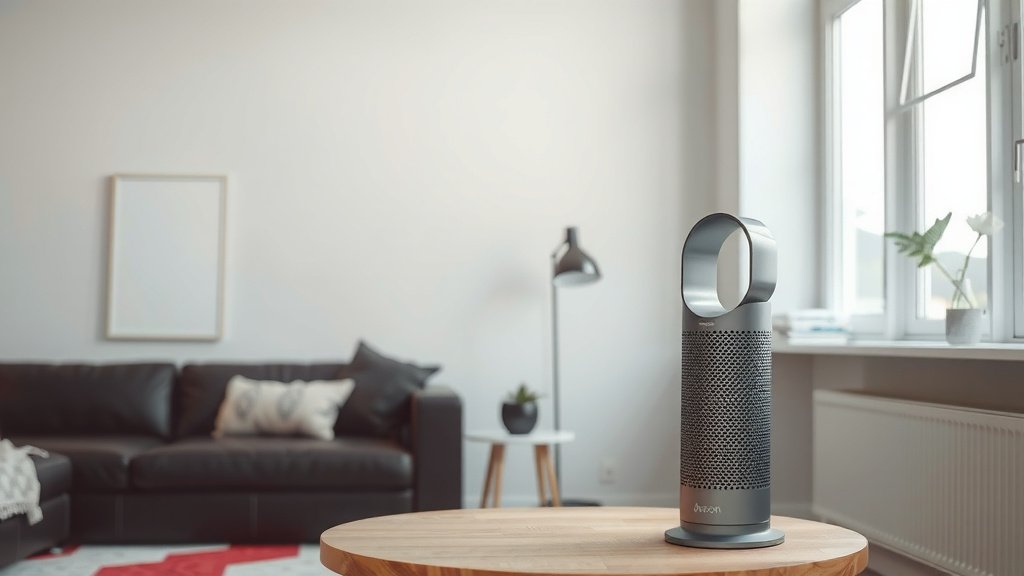
Dyson purifiers are often seen as design statements. They feature sleek lines, premium materials, and a modern, often futuristic aesthetic. Their bladeless fan technology, in particular, is visually striking and contributes to a minimalist look. They tend to blend well into contemporary home decor.
Honeywell’s Practical and Classic Appeal
Honeywell purifiers generally adopt a more practical and classic design. They are built to look functional and fit into a wide range of home styles without being overly flashy. You’ll find them in neutral colors, designed to be unobtrusive while still looking neat and tidy. They prioritize function over form, which many find appealing.
Cost and Value Proposition
The price tag is often a deciding factor. How much are you willing to invest in clean air?
Dyson: The Premium Investment
Dyson air purifiers typically come with a higher price tag. This reflects their advanced technology, premium materials, and integrated features like heating or cooling. You are paying for the innovation and the multi-functionality. Replacement filters can also be more expensive.
Honeywell: Strong Value for Money
Honeywell generally offers more budget-friendly options. You can find effective HEPA air purifiers at a lower cost. Their replacement filters are also often more affordable. Honeywell provides a great balance of performance and price, making them a popular choice for many households looking for reliable air cleaning without breaking the bank. We found that they offer excellent value for everyday needs.
Making Your Choice: A Quick Checklist
Still pondering? Let’s sum up what to consider. Think about these points:
- Do you want app control and smart features?
- What’s your budget for the initial purchase?
- How much do you want to spend on replacement filters?
- Are you looking for multi-functional devices (fan, heater)?
- How important is the aesthetic design in your space?
- What size room do you need to purify?
Conclusion
Deciding between a Dyson and a Honeywell air purifier really comes down to your priorities. If you’re seeking advanced technology, smart home integration, and a premium design, Dyson often fits the bill. We found their sealed systems and app control offer a unique user experience. On the other hand, Honeywell provides reliable, no-fuss air purification with proven HEPA filtration at a more accessible price point. They focus on performance and ease of use, making them a practical choice for many homes. Consider your budget, desired features, and the size of your space to make the best pick for your clean air needs.
Frequently Asked Questions
Which brand is better for allergies, Dyson or Honeywell?
Both Dyson and Honeywell use HEPA filters, which are excellent for capturing allergens like pollen and pet dander. Dyson’s sealed filtration system may offer a slight edge by preventing escaped particles. Ultimately, for allergy sufferers, consistent filter replacement for either brand is key to effective relief.
Are Dyson air purifiers quieter than Honeywell?
We found that Dyson units, particularly their fan models, are often engineered for quieter operation, especially at lower speeds. Honeywell models can vary; some are very quiet, while others may be more noticeable on higher settings. It’s best to check specific model reviews for noise levels.
What is the typical price difference between Dyson and Honeywell air purifiers?
Dyson air purifiers generally come with a higher price tag due to their advanced technology and premium features. Honeywell offers more budget-friendly options, providing solid performance at a lower cost. You’ll likely find Honeywell to be a more accessible investment.
Do both brands offer smart features like app control?
Dyson is well-known for its extensive smart features, with most models offering app connectivity and remote control. While some higher-end Honeywell models include app control, many focus on user-friendly, direct controls on the unit itself.
How often do I need to replace the filters for each brand?
Filter replacement frequency depends on usage and air quality, but typically for both Dyson and Honeywell, HEPA filters need replacing every 6-12 months. Always check your specific model’s manual for exact recommendations and consider how often you run the purifier.