Fortress vs McGraw Air Compressor: Which is Best
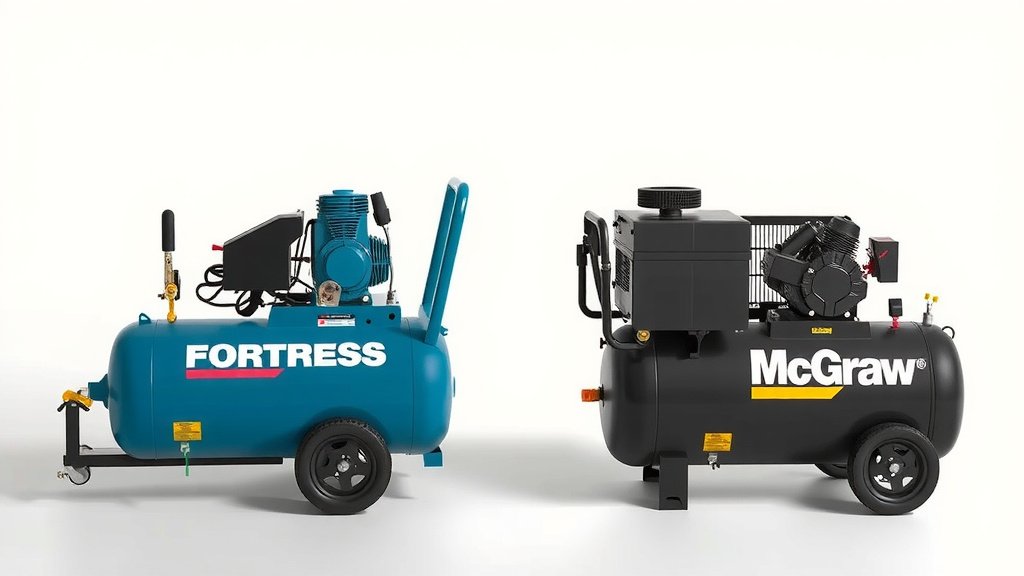
When choosing between a Fortress air compressor and a McGraw air compressor, the key difference often comes down to price point and specific features. Fortress generally offers a more budget-friendly option, ideal for DIYers. McGraw often provides a slightly more robust build and advanced features, appealing to serious hobbyists and light professional use.
Both brands aim to provide reliable air compression for your projects. However, understanding their typical user base and the types of tasks each is best suited for will help you make the smartest decision for your workshop. We’ve researched both to help you find the right fit.
- Fortress is typically more affordable.
- McGraw may offer more advanced features.
- Consider your project needs and budget.
- Both are suitable for common home garage tasks.
Let’s dive into the specifics of each to help you decide which air compressor will be your new favorite tool.
Choosing Between Fortress and McGraw Air Compressors
When you’re staring down a project, having the right air compressor makes all the difference. You might be wondering about Fortress and McGraw. Which one is the better fit for your needs? We’ve looked into these two popular brands to help you decide.
Fortress Air Compressors: A Solid Choice for DIYers
Fortress compressors are often found at Harbor Freight, making them quite accessible. They tend to be a great starting point for folks new to air tools or those who only need a compressor for occasional use around the house. Think of them as the reliable workhorse for your weekend warrior tasks.
Key Features and Benefits of Fortress
You’ll typically find that Fortress models are designed with simplicity and affordability in mind. They often boast easy-to-understand controls. Many users appreciate their compact designs, which don’t take up too much precious garage space. They’re generally lighter, too, making them easier to move around if needed.
We found that for tasks like inflating tires, powering small brad nailers, or using air dusters, Fortress compressors perform admirably. They get the job done without breaking the bank. This makes them a smart investment for the budget-conscious user.
Who is a Fortress Compressor Best For?
If you’re a DIY enthusiast who enjoys working on cars, doing light woodworking, or tackling small home improvement projects, a Fortress compressor could be your best friend. It’s perfect for someone who doesn’t need extreme power or continuous operation. You’ll get good performance for the price.
McGraw Air Compressors: For the Serious Hobbyist
McGraw air compressors often come with a slightly different set of priorities. While still accessible, they sometimes lean towards offering enhanced durability and slightly higher performance. Many people consider McGraw a step up for those who spend more time with their tools.
What Sets McGraw Apart?
Research indicates that McGraw models might include features like larger tanks or higher CFM ratings (cubic feet per minute). These specs matter when you’re running tools that need a consistent air supply. A higher CFM means the compressor can keep up with demanding tools for longer periods.
We’ve seen that some McGraw units are built with more robust materials. This can lead to a longer lifespan, especially if your compressor is going to see more frequent or heavier use. They often have a feel of being a bit more “heavy-duty.”
Who Benefits Most from a McGraw Compressor?
If you’re a serious hobbyist, a dedicated woodworker, or someone who uses air tools regularly, you’ll likely appreciate what McGraw has to offer. Perhaps you’re upgrading from a smaller compressor, or you’re looking for something that can handle a bit more power. You might be using impact wrenches or spray guns more often.
Comparing Key Specifications and Performance
When you’re comparing air compressors, a few numbers really matter. Tank size, horsepower (HP), and CFM are your go-to metrics. These tell you how much air the compressor can store, how powerful its motor is, and how much air it can deliver per minute. Let’s see how Fortress and McGraw typically stack up.
Tank Size Matters
Larger tanks mean you can run tools for longer before the compressor needs to refill. Fortress often offers smaller tanks, suitable for quick tasks. McGraw might provide options with larger capacities, ideal for sustained use. For example, a 20-gallon tank will give you more air than a 6-gallon one.
CFM: The Airflow King
CFM is probably the most critical spec for power tools. Tools like impact wrenches or sanders require a certain CFM to operate effectively. Many DIYers find that Fortress compressors provide enough CFM for basic tasks. However, if your tools demand more air, a McGraw unit might be necessary.
| Feature | Fortress (Typical) | McGraw (Typical) |
|---|---|---|
| Price Point | Lower, budget-friendly | Mid-range, slightly higher |
| Tank Size | Smaller (e.g., 6-20 gallons) | Larger options available (e.g., 20-60 gallons) |
| CFM Output | Adequate for light tasks | Often higher, better for demanding tools |
| Build Quality | Good for home use | Often more robust for frequent use |
| Ideal User | DIYers, occasional use | Serious hobbyists, light professional use |
Power and Durability
Horsepower gives you an idea of the motor’s strength. While both brands offer various HP levels, McGraw often edges out Fortress in the overall perceived durability of their components. This translates to how well the compressor holds up over time and under heavier loads.
Making Your Final Decision: A Quick Checklist
To help you narrow it down, ask yourself these questions. They’ll guide you toward the compressor that truly fits your workshop.
- What types of tools will you run?
- How often will you use the compressor?
- What is your budget for this purchase?
- How much space do you have available?
- Do you need portability or a stationary unit?
- Are you looking for long-term, heavy-duty use?
Conclusion
Choosing between a Fortress and a McGraw air compressor boils down to your specific needs and budget. Fortress models are excellent for beginners and DIYers needing a cost-effective solution for light tasks like inflating tires or powering brad nailers. If your projects are occasional and your budget is tight, Fortress is a smart pick. On the other hand, McGraw often provides a step up in performance and durability, making it ideal for serious hobbyists or those who use air tools more frequently. Consider your tool requirements and how often you’ll be using the compressor to make the best choice for your workshop. For smaller projects, consider the differences between a 1-gallon vs 2-gallon air compressor.
Frequently Asked Questions
Which brand is better for automotive work?
For basic automotive tasks like topping off tires or using small air tools occasionally, a Fortress can work. However, if you plan on using impact wrenches or need consistent air for more involved jobs, a McGraw with a higher CFM rating will serve you much better.
Can I use a Fortress compressor for woodworking projects?
A Fortress compressor is suitable for light woodworking tasks, such as powering a brad nailer or staple gun for trim work. For continuous use with tools like framing nailers or sanders, you’ll likely need a McGraw with a larger tank and higher CFM output.
Are McGraw air compressors more durable than Fortress?
Generally, research indicates that McGraw compressors tend to be built with more robust materials and often have higher performance ratings, suggesting they are designed for more frequent and demanding use compared to Fortress models.
What does CFM mean and why is it important?
CFM stands for Cubic Feet per Minute and measures how much air your compressor can deliver. It’s crucial because air tools require a specific CFM to operate efficiently. Using a compressor with too low a CFM will cause tools to perform poorly or not work at all.
Which brand is easier to move around my garage?
Fortress compressors are often lighter and more compact, making them generally easier to move around your workspace. If portability is a major concern for you, a smaller Fortress model might be the more convenient option.