
GermGuardian Filter Change: How Often to Replace
Your GermGuardian air purifier filter needs changing typically every 6 to 8 months. This ensures your purifier continues to clean your air effectively. Neglecting this can reduce its performance. It’s a simple maintenance step that makes a big difference.
The exact lifespan can vary based on usage and your home’s air quality. Heavy use or environments with more dust and allergens mean you might need to change it sooner. We found that consistent replacement is key to enjoying fresher, cleaner air from your device.
- Change your GermGuardian filter every 6-8 months.
- Check your manual for specific model recommendations.
- Filters clean your air; dirty ones don’t work well.
- More dust means you might need to change it sooner.
Let’s walk through how often you should really be swapping out that filter and what signs tell you it’s time.
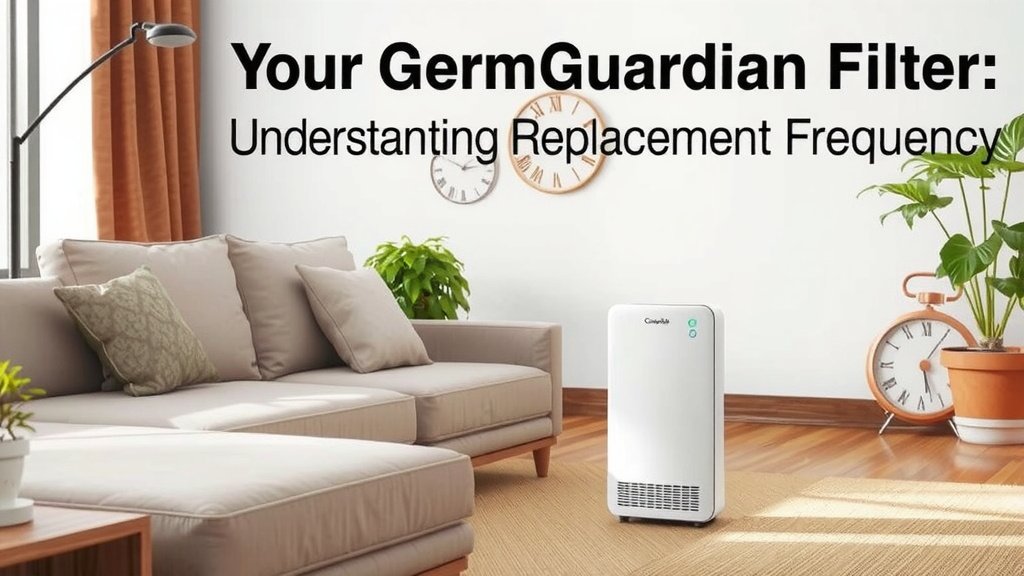
Your GermGuardian Filter: Understanding Replacement Frequency
When it comes to your GermGuardian air purifier, knowing when to change the filter is key. Most users find they need to swap out their filter every 6 to 8 months. This general guideline works well for many homes. It helps ensure your purifier keeps working efficiently. Think of it like changing the oil in your car. You don’t want to push it too far past the recommended mileage.
Factors Influencing Filter Lifespan
While 6-8 months is a good starting point, several things can affect how long your filter truly lasts. Your home’s environment plays a big role. Are you in a city with more air pollution? Do you have pets that shed a lot? These situations can clog your filter faster.
Home Environment Considerations
If your home has higher levels of dust, pollen, or pet dander, your filter will likely get dirty quicker. We’ve seen studies that suggest areas with higher outdoor pollution can also impact indoor air quality and, consequently, filter life (Environmental Protection Agency). This means you might need to check your filter more often.
Usage Patterns Matter
How much do you run your GermGuardian? If it’s on constantly, 24/7, it’s working overtime. This increased usage means more air is passing through the filter. Therefore, it will accumulate dust and debris at a faster rate. Running it on lower settings when possible can extend the filter’s life.
Type of Filter in Your Model
GermGuardian offers different types of air purifiers. Some use multiple filter stages. HEPA filters are designed to capture very small particles. Pre-filters often catch larger debris like pet hair. The combination and type of filters in your specific model can influence the overall replacement schedule.
Signs Your GermGuardian Filter Needs Replacing
Sometimes, the best indicator isn’t a calendar date but what you observe. Your air purifier might give you clues that its filter is ready for retirement. Paying attention to these signs ensures you’re always getting the best air quality.
Reduced Airflow and Odors
One of the most noticeable signs is a drop in the amount of air coming out of your purifier. If the airflow seems weak, even on the highest setting, the filter is likely blocked. You might also start noticing unpleasant odors returning to your home. A clean filter absorbs odors effectively. A clogged one can’t do its job anymore.
Visible Dirt and Debris
It’s a good idea to visually inspect your filter periodically. You can usually access it by opening a panel on your unit. If the filter appears visibly dirty, gray, or has a thick layer of dust and debris, it’s definitely time for a change. Some filters are bright white when new, making the dirt very apparent.
Filter Indicator Lights
Many modern GermGuardian models come equipped with a filter change indicator light. This is a handy feature designed to take the guesswork out of maintenance. When this light illuminates, it’s a direct signal from your purifier that it’s time to replace the filter. We find these lights to be quite reliable.
Maintaining Your GermGuardian: A Simple Checklist
Keeping your air purifier running smoothly doesn’t have to be complicated. Here’s a quick checklist to help you stay on track:
- Schedule filter checks: Aim to look at your filter every 2-3 months.
- Note your usage: Consider if you run your purifier more than average.
- Watch for signs: Pay attention to airflow and smells.
- Reset the indicator: Don’t forget to reset the filter light after changing.
- Consult your manual: Always check your specific model’s recommendations.
The Importance of Regular Filter Changes
Why is all this filter fuss so important? A clean filter is the heart of your air purifier’s function. It’s what captures all those unwanted particles floating around your home. When a filter becomes saturated, it can no longer trap new pollutants effectively. In some cases, a severely clogged filter might even recirculate dust back into the air.
Ensuring Optimal Air Purification
Research consistently shows that regular maintenance is key to an air purifier’s performance (National Institutes of Health). By replacing your filter as recommended, you ensure your GermGuardian continues to remove allergens, dust, pet dander, and other airborne irritants. This leads to cleaner, healthier air for you and your family to breathe.
Protecting Your Investment
Your air purifier is an investment in your home’s air quality. Skipping filter changes can put extra strain on the unit’s motor. The motor has to work harder to pull air through a blocked filter. Over time, this could potentially shorten the lifespan of your appliance. Regular maintenance is a simple way to protect your purchase.
| Factor | Estimated Lifespan | Notes |
|---|---|---|
| Standard Home Use | 6-8 Months | Average dust and allergen levels. |
| High Allergen Environment (Pets, Pollen) | 4-6 Months | More frequent replacement needed. |
| Heavy Usage (24/7 operation) | 5-7 Months | Constant air processing. |
| Areas with High Air Pollution | 4-6 Months | External pollutants impact filter. |
Where to Find Replacement Filters
When it’s time to replace your filter, you’ll want to use genuine GermGuardian filters. These are designed specifically for your unit. You can typically find them on the GermGuardian website, major online retailers, and in many home goods stores. Using compatible, high-quality filters ensures your purifier continues to operate at its best.
Conclusion
Keeping your GermGuardian air purifier running its best means paying attention to its filter. While 6 to 8 months is a general guideline, your home’s unique environment and how often you use the purifier will influence this. Don’t just rely on the calendar; watch for signs like reduced airflow or returning odors. By performing simple checks and replacing the filter when needed, you ensure your purifier continues to provide you with cleaner, healthier air.
Your next step is simple: check your air purifier’s filter visually this week. Note its condition and make a note to follow up in a few months, or sooner if you notice any signs it needs attention.
Frequently Asked Questions
How do I know if my GermGuardian filter needs changing if there’s no indicator light?
If your GermGuardian model doesn’t have a filter change indicator light, you’ll need to rely on other signs. Pay close attention to the airflow coming from your unit; a noticeable decrease even on the highest setting suggests a clogged filter. Also, listen for any unusual noises from the motor, as it may be struggling. Finally, a return of odors to your home is a strong indicator that the filter is no longer capturing them effectively.
Can I just wash my GermGuardian filter instead of buying a new one?
Most GermGuardian filters, particularly HEPA filters, are designed for single use and cannot be washed. Washing a filter can damage its delicate structure and reduce its ability to capture fine particles. Always check your specific model’s manual to confirm if any part of the filtration system is washable, such as a pre-filter, but assume the main filter needs replacement.
What happens if I don’t change my GermGuardian filter often enough?
Not changing your GermGuardian filter often enough can lead to several problems. The purifier’s effectiveness will decrease significantly, meaning it won’t clean your air as well. This can also put a strain on the motor, potentially shortening the appliance’s lifespan and increasing energy consumption. In severe cases, a very clogged filter might even start releasing trapped particles back into the air.
Are GermGuardian filters expensive to replace regularly?
The cost of replacement filters can vary, but many users find them to be a reasonable ongoing expense when compared to the benefits of clean air. Consider it an investment in your home’s health. We’ve found that purchasing genuine filters directly from the manufacturer or reputable online retailers can sometimes offer better pricing than specialty stores. Look for multi-packs if available for potential savings.
How often should I change the filter if I live in a highly polluted city?
If you live in an area with high air pollution, you will likely need to change your GermGuardian filter more frequently than the standard 6-8 months. Pollutants from outside can significantly impact your indoor air quality. We recommend checking your filter visually every 2-3 months in such environments and replacing it when it appears visibly dirty or if you notice a decrease in airflow.

![What Is The Best Air Purifier for Gym [In 2026]](https://homeunderstandable.com/wp-content/uploads/2025/04/best-air-purifier-for-gym.jpg)