Grill vs Air Fryer: Which One Should You Choose?
When it comes to cooking at home, we’re living in an exciting time. Technology has given us so many options that sometimes it feels overwhelming just deciding what goes on your countertop or in your backyard. Two of the most popular choices these days are grills and air fryers, and honestly, they’re not as different as you might think—yet they’re not the same either.
I’ve spent considerable time experimenting with both, and I can tell you that each one brings something special to the table. But before you invest your hard-earned money, let’s dig deep into what makes each of these cooking methods unique, their advantages, their limitations, and ultimately, which one might be the better fit for your lifestyle.
Understanding the Basics: What Are Grills and Air Fryers?
What Exactly Is a Grill?
A grill is essentially a cooking apparatus that uses direct or indirect heat to cook food. Think of it as bringing the campfire to your backyard. Whether it’s powered by charcoal, gas, or electricity, a grill relies on heat radiating from below to cook your food. Some people swear by the smoky flavor that comes from charcoal grilling, while others appreciate the convenience and consistency of gas grills.
Grills have been around for ages, which tells you something about their reliability and effectiveness. They’re straightforward in concept but incredibly versatile in application. You can sear steaks, grill vegetables, cook fish, warm bread, and even smoke meats over hours if you’re feeling ambitious.
What Is an Air Fryer?
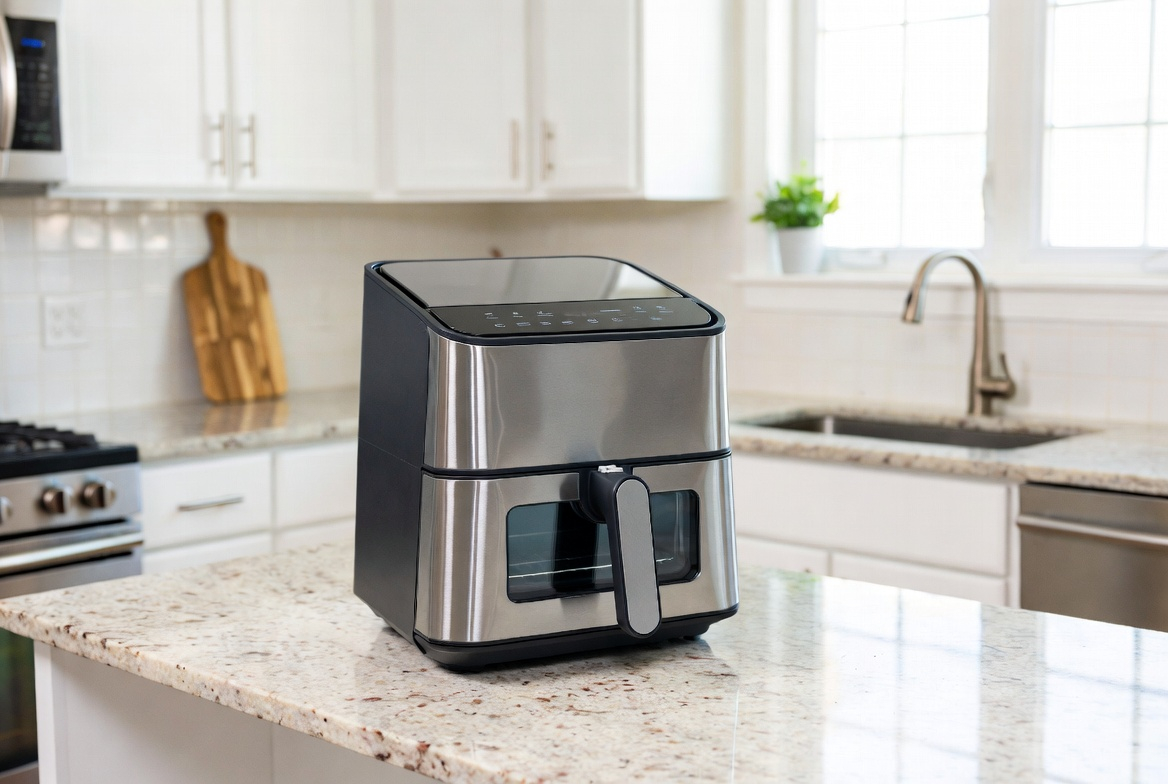
An air fryer, on the other hand, is a relatively new kitchen gadget that circulates hot air at high speeds around your food. Imagine a tiny convection oven that’s been supercharged. It works by using a heating element and a powerful fan to create rapid air circulation, which cooks food quickly and creates that crispy exterior you love without needing a deep fryer full of oil.
Air fryers are compact, countertop-friendly, and have become incredibly popular in recent years. They promise healthier cooking with less oil and faster cooking times than traditional ovens. It’s no wonder they’ve become a kitchen staple for so many households.
Cooking Method Comparison: Heat Source and Technique
How Heat Works Differently in Each Device
This is where things get interesting. A grill uses radiant heat—heat that travels directly from the heat source to your food. When you place a steak on a grill grate, the heat from below is what cooks it. Gas grills provide consistent, controllable heat, while charcoal grills offer a more rustic experience with temperature fluctuations that some find challenging but others find rewarding.
An air fryer operates on convection, which is completely different. It heats the air to extremely high temperatures—often 350 to 400 degrees Fahrenheit—and then blasts this hot air around your food at high velocity. This rapid circulation creates friction that cooks the exterior quickly while keeping the inside moist and tender.
The Maillard Reaction Factor
Both methods create the Maillard reaction, which is that delicious browning that makes food taste amazing. However, they approach it differently. Grills achieve this through intense, direct heat, while air fryers do it through circulating hot air and moisture control. Both are effective, just in their own unique ways.
Speed of Cooking: Time Is Money
Which Cooks Faster?
If you’re in a hurry, an air fryer is typically your winner here. Because of the intense, circulating heat, most foods cook in air fryers significantly faster than on a grill. A frozen chicken breast might take 12 to 15 minutes in an air fryer versus 20 to 30 minutes on a grill, depending on thickness and grill temperature.
However, “faster” doesn’t always equal “better.” A slow-grilled steak develops flavors that a quick air fryer session simply can’t replicate. It’s like comparing a microwave to a traditional oven—speed is great, but not when it comes at the cost of quality.
Preheating Time Matters Too
Air fryers heat up almost instantly, sometimes in just two to three minutes. Grills, especially charcoal ones, can take significantly longer. If you’re the type who wants breakfast ready in minutes, this is another point in air fryer’s favor.
Flavor Profile: Taste Matters Most
The Smoky, Grilled Taste
Let’s be honest: there’s something magical about food cooked on a grill. Whether it’s the slight char, the smoke flavor, or the memories associated with backyard barbecues, grilled food has a taste that’s hard to replicate. A charcoal grill brings additional complexity with smoke infusion, while a gas grill offers a cleaner, more controlled cooking environment that still produces that signature grill flavor.
You really can’t get that distinctive grilled taste from an air fryer. It’s not better or worse—it’s just different. If you’re passionate about traditional barbecue flavors, a grill is your answer.
The Crispy Exterior Without the Oil
Air fryers excel at creating crispy textures with minimal oil. That’s their whole selling point, really. You can have crispy fries, crunchy chicken wings, or golden donuts without deep frying in oil. For health-conscious cooks, this is genuinely exciting.
But here’s the catch: while air fryers create crispiness beautifully, they don’t infuse the same depth of flavor that grilling does. The food tastes fresh and clean, which some people prefer, but it lacks that complex, smoky character.
Food Versatility: What Can You Actually Cook?
Grill-Friendly Foods
Grills are incredibly versatile. You can grill:
- Steaks, burgers, and other meats
- Fish and seafood
- Vegetables like zucchini, peppers, and corn
- Fruits such as pineapple and peaches
- Bread and pizza
- Even some desserts
The main limitation is that you need foods that can handle direct heat. Delicate items or foods that need precise temperature control can be tricky on a grill.
Air Fryer-Friendly Foods
Air fryers are also quite versatile, though in different ways:
- Frozen foods like fries and nuggets
- Fresh vegetables
- Chicken, fish, and pork
- Baked goods and pastries
- Leftover reheating
- Even some surprising items like eggs and cheese
Air fryers struggle with foods that need moisture or those that are too wet to begin with. Saucy items or anything that requires a lot of liquid don’t do as well.
The Size Constraint
Here’s something important: air fryers have limited capacity. You’re cooking in a small basket, so batch cooking large meals becomes tedious. Grills, especially larger ones, can handle feeding a crowd much more easily.
Health Considerations: Is One Healthier Than the Other?
Oil Usage and Fat Content
Air fryers are often marketed as the healthier option because they use little to no oil. This is a legitimate advantage if you’re watching your fat intake. You can make crispy foods with just a light spray of oil instead of submerging them in grease.
Grills don’t require oil at all—you can grill foods with virtually no added fat. The grilling process itself doesn’t add calories, though if you’re using marinades or butter, you’re adding them intentionally.
Nutrient Retention
Both methods are pretty good at retaining nutrients. High-heat cooking can sometimes break down certain vitamins, but neither grilling nor air frying is particularly harsh compared to other methods. The fast cooking times in air fryers might actually help preserve some nutrients better than slow cooking.
Charring and Potential Risks
Here’s something to consider: excessive charring from grilling has been associated with the creation of compounds like heterocyclic amines. That said, moderate charring isn’t a health concern, and you can minimize it by not cooking at extremely high temperatures or marinating your foods beforehand.
Air fryers produce minimal charring because of their controlled environment, so if you’re concerned about this, they might be a safer choice.
Cost Analysis: Your Investment and Operating Expenses
Initial Purchase Price
Air fryers are generally more affordable upfront. You can get a decent air fryer for $60 to $150, with premium models running higher. Grills vary wildly depending on type and quality, but a basic charcoal grill might cost $50 to $200, while quality gas grills often start around $300 and go up significantly from there. A high-end pellet grill can cost $1,000 or more.
Operating Costs
Air fryers use electricity and have modest energy consumption. Running one daily won’t significantly impact your electric bill. Grills require fuel—either charcoal, propane, or electricity. Charcoal grilling is usually the cheapest per-cook, while propane and electric grills have varying costs depending on usage frequency.
Maintenance and Longevity
Air fryers are simple devices with fewer moving parts, so they’re inexpensive to maintain. However, they might not last as long as a quality grill if used heavily daily. A good grill, especially a gas or pellet grill, can last 10 to 15 years or longer with proper maintenance. Air fryers typically last 3 to 5 years of regular use.
Space and Installation Requirements
Countertop Real Estate
If you have limited kitchen space, an air fryer is the clear winner. These devices are compact and can fit on any countertop or even in a cabinet. Most people can find room for an air fryer somewhere in their kitchen without much fuss.
Grills, especially gas and charcoal models, require dedicated outdoor space. You need a safe spot away from your house, ideally with some protection from the elements. This isn’t a problem if you have a decent backyard or patio, but apartment dwellers might find it challenging.
Storage Considerations
Air fryers are completely portable. You can store them in a cabinet if needed. Some grills are portable too, but larger ones are essentially permanent fixtures. This flexibility is a significant advantage for people who move frequently or have small living spaces.
Ease of Use and Learning Curve
Mastering the Air Fryer
Air fryers are genuinely user-friendly. You set a temperature, set a timer, and walk away. Most of the guesswork is removed because the heating environment is so consistent. Even beginners can produce excellent results immediately.
There’s minimal skill required, which is both an advantage and perhaps slightly limiting if you want to develop advanced cooking techniques.
The Grill Learning Curve
Grilling has a steeper learning curve, particularly with charcoal grills. You need to understand heat management, learn to judge doneness, and develop a feel for how your specific grill behaves. Gas grills are easier since temperature control is more precise, but there’s still an art to successful grilling.
However, this learning process is rewarding. Once you master grill techniques, you gain flexibility and control that an air fryer simply can’t match.
Temperature Control Precision
Air fryers offer precise digital temperature control, which is fantastic for consistency. Grills, especially charcoal, require more hands-on management and intuition. Neither approach is inherently superior—it depends on what you value.
Cleaning and Maintenance: The Unglamorous Reality
Air Fryer Cleanup
Air fryers are refreshingly easy to clean. Most have removable baskets that go in the dishwasher, and the heating element rarely requires more than a quick wipe. You’re done in minutes. This is genuinely one of their biggest advantages over grills.
Grill Maintenance
Grills require more elbow grease. You need to clean the grates after each use (or at least regularly), manage grease accumulation, and for charcoal grills, deal with ash disposal. Gas grills need less frequent deep cleaning but still require regular attention. It’s not terrible, but it’s definitely more work than air frying.
On the flip side, if you maintain your grill properly, it’ll last much longer than an air fryer, which somewhat balances out the extra effort.
Environmental Impact: Being Responsible
Energy Efficiency
Air fryers are quite efficient since they use targeted heat and cook quickly. The energy footprint per meal is relatively small. Grills vary—gas grills are efficient but consume fossil fuels, charcoal grills produce emissions (though arguably more sustainable than electricity from coal plants), and electric grills are comparable to air fryers in efficiency.
Sustainability Factors
Charcoal grilling has a sustainability angle if you consider that charcoal can be produced from renewable sources. However, most commercial charcoal comes from processed materials. Gas grills rely on fossil fuels. Air fryers depend on your local power grid’s energy sources. From a pure environmental standpoint, neither is dramatically superior—it depends on your region’s energy infrastructure.
Social and Experiential Aspects
The Grill as a Social Hub
There’s something special about gathering around a grill. It’s social, it creates memories, and there’s an almost ceremonial aspect to outdoor grilling that brings people together. Grilling often becomes an occasion rather than just cooking.
An air fryer, while convenient, doesn’t have this social component. It’s solitary cooking for the sake of efficiency.
Personal Connection to Cooking
Grilling requires engagement and presence. You’re actively involved in the cooking process, managing heat, monitoring food, making adjustments. This can be either frustrating or deeply satisfying depending on your personality.
Air frying is more passive. You prep, press buttons, and wait. For busy people, this is perfect. For those who find cooking meditative, it might feel too automated.
Making Your Decision: A Practical Comparison
Choose a Grill If You
- Love traditional grilled flavors and smoky complexity
- Enjoy the cooking process as much as the final product
- Have outdoor space available
- Like cooking for larger groups
- Don’t mind investing time in learning cooking techniques
- Prefer long-term equipment you can use for years
Choose an Air Fryer If You
- Prioritize speed and convenience above all
![What Is The Best Costco Foods for Air Fryer [In 2026]](https://homeunderstandable.com/wp-content/uploads/2026/03/Best-Costco-Foods-for-Air-Fryer-768x516.jpg)
![What Is The Best Book for Air Fryer Recipes [In 2026]](https://homeunderstandable.com/wp-content/uploads/2026/03/Best-Book-for-Air-Fryer-Recipes-768x516.jpg)
![5 Best Air Fryer for Brussel Sprouts [In 2026]](https://homeunderstandable.com/wp-content/uploads/2026/03/5-Best-Air-Fryer-for-Brussel-Sprouts.jpg)
![5 Best Air Fryer for Crispy French Fries [In 2026]](https://homeunderstandable.com/wp-content/uploads/2026/03/5-Best-Air-Fryer-for-Crispy-French-Fries-768x516.jpg)
![5 Best Air Fryer for Dorms [In 2026]](https://homeunderstandable.com/wp-content/uploads/2026/03/5-Best-Air-Fryer-for-Dorms-768x516.jpg)