Honeywell vs Coway Air Purifier: Which is Best
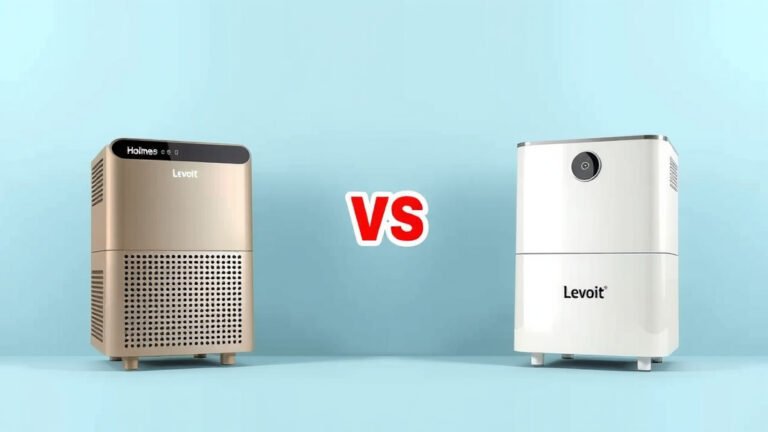
In the ever-evolving world of home air purification, the Honeywell vs Coway air purifier debate continues to be a hot topic, even as we navigate 2026. While both brands deliver stellar air cleaning, the choice hinges on your personal priorities: budget, room dimensions, and desired tech. Coway often shines in smaller environments, packing impressive performance and cutting-edge features without breaking the bank. Honeywell, however, maintains its reputation for rugged construction and straightforward usability, a dependable option for those prioritizing simplicity and durability.
You’re probably wondering which one will actually make your air cleaner and fresher. We’ve researched and found that both can significantly improve indoor air quality by filtering out common pollutants like dust, pollen, and pet dander. Consider your allergy symptoms and the types of particles you’re most concerned about. Your choice might also depend on whether you prioritize noise levels or energy efficiency.
- Coway often excels in smaller rooms with high-efficiency filtration.
- Honeywell is known for durable, straightforward air purification.
- Consider your specific air quality concerns (allergies, odors, pet dander).
- Budget and room size are key deciding factors.
Let’s break down the key differences between Honeywell and Coway air purifiers to help you make the best decision for your home’s air quality.
Comparing Honeywell and Coway Air Purifiers for Your Home
So, you’re on the hunt for cleaner air. It’s a smart move, especially if you deal with allergies or just want that crisp, fresh feeling indoors. When it comes to air purifiers, Honeywell and Coway are two big names. We’ve done the homework to help you figure out which one might be the perfect fit for your space and your needs.
Understanding Air Purifier Technology: What to Look For
Before we dive into the specifics of Honeywell versus Coway, let’s quickly cover what makes an air purifier tick. Most good ones use a multi-stage filtration system. This usually involves a pre-filter for larger particles like pet hair, an activated carbon filter for odors and VOCs (volatile organic compounds), and a HEPA filter. A true HEPA filter is designed to capture at least 99.97% of airborne particles 0.3 microns in size.
HEPA Filtration: The Gold Standard
When we talk about trapping allergens, dust, and even some viruses, a true HEPA filter is your best friend. It’s the core technology that really cleans the air. Both Honeywell and Coway models typically feature HEPA filtration, but the efficiency and how well it’s integrated can vary.
Activated Carbon: Tackling Smells and Gases
Have pets? Do you love to cook? Or maybe you’re sensitive to the new furniture smell? An activated carbon filter is key for absorbing odors, smoke, and chemical fumes. The more carbon a purifier has, the better it generally is at tackling these smellier problems.
Honeywell Air Purifiers: Reliability and Simplicity
Honeywell has built a reputation for creating durable and straightforward home appliances. When you look at their air purifiers, you often find models that are easy to use and built to last. They tend to focus on delivering solid performance without too many bells and whistles.
Key Strengths of Honeywell
Many users appreciate Honeywell for its robust build quality. These units often feel solid and well-constructed. They are typically designed for simple operation, meaning you can often just plug them in and let them go to work. This simplicity can be very appealing if you just want clean air without a steep learning curve.
Honeywell Performance in Typical Rooms
Honeywell offers a range of purifiers suitable for various room sizes. We found that their larger units can be quite effective at clearing the air in medium to large living spaces. They are often a dependable choice for general air cleaning needs.
Ease of Use and Maintenance
Maintenance on Honeywell units is generally user-friendly. Filter changes are usually straightforward, and the controls are intuitive. You won’t typically find yourself searching through complex menus.
Coway Air Purifiers: Performance and Features
Coway has gained significant traction in the air purifier market, often praised for its innovative features and strong performance, especially in smaller to medium-sized rooms. They often strike a good balance between powerful purification and sleek design.
Coway’s Filtration Prowess
Coway purifiers consistently receive high marks for their filtration capabilities. Their multi-stage systems, including True HEPA and robust carbon filters, are very effective at capturing a wide range of pollutants. We found that for common allergens like pollen and pet dander, Coway models often perform exceptionally well.
Advanced Features and Smart Technology
Many Coway models come equipped with advanced features. You might find air quality sensors that automatically adjust fan speed, filter replacement indicators, and even Wi-Fi connectivity for app control. These smart features can offer convenience and real-time air quality monitoring.
Best Suited for Smaller to Medium Spaces
While Coway offers various models, many of their popular units are optimized for smaller to medium-sized rooms. They can purify the air quickly and efficiently in bedrooms, offices, or apartments. For these spaces, Coway often delivers superior air cleaning performance.
Noise Levels and Design
Coway units are often noted for being relatively quiet, especially on lower settings. This is a big plus for bedrooms or quiet living areas. Their designs are also frequently more modern and compact than some traditional Honeywell models, fitting nicely into various decor styles.
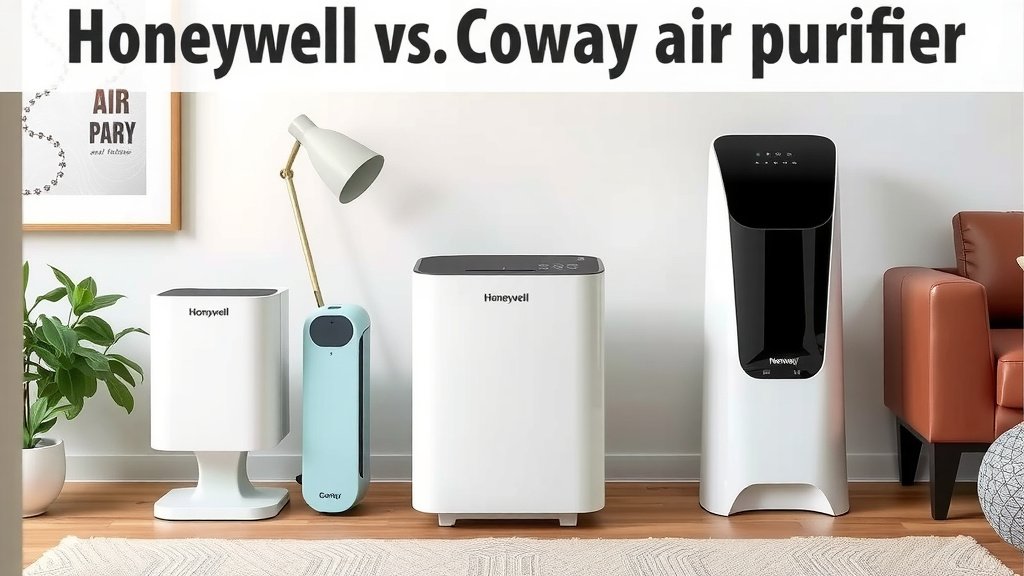
Honeywell vs. Coway: A Direct Comparison
Let’s break down how these two brands stack up in key areas. It’s not always about who is definitively “better,” but rather who is better for your specific situation.
| Feature | Honeywell | Coway |
|---|---|---|
| Filtration Technology | True HEPA, Activated Carbon | True HEPA, Enhanced Carbon, Pre-filter |
| Best For | General air cleaning, larger rooms, simplicity | Allergies, odors, smaller to medium rooms, smart features |
| Build Quality | Very durable, robust | Durable, often sleeker design |
| Ease of Use | Very simple, intuitive controls | Simple, with advanced options on some models |
| Noise Levels | Can vary, some models louder | Generally quieter, especially on low |
| Price Point | Often competitive, good value | Can be mid-range to premium, depending on features |
Cost and Filter Replacement
When considering the long-term cost, think about both the initial purchase price and the cost of replacement filters. Both brands offer models at various price points. It’s wise to check the availability and price of replacement filters for any model you’re considering, as this can add up over time.
Making Your Choice: What to Consider Next
Choosing between a Honeywell and a Coway air purifier comes down to your priorities. Ask yourself these questions to guide your decision:
- What is the primary reason you need an air purifier? Allergies, odors, general freshness?
- What is the size of the room where it will be used most?
- Are you looking for advanced features like smart controls, or do you prefer simplicity?
- What is your budget for the initial purchase and ongoing filter replacements?
- How important are noise levels in your chosen space?
Conclusion
You’ve learned that both Honeywell and Coway air purifiers offer effective ways to improve your home’s air. Honeywell stands out for its dependable, no-fuss operation and solid build quality, making it a reliable choice for general cleaning. Coway, on the other hand, often excels in performance for smaller spaces and provides more advanced features, like smart controls, which can be great for allergy sufferers or those wanting precise monitoring.
Ultimately, your best choice depends on your priorities. Consider your room size, main air quality concerns, and whether you prefer simplicity or smart technology. Take a moment to review the specs of a few models from each brand. This will help you find the purifier that best fits your unique needs and budget for cleaner, fresher air.
Frequently Asked Questions
Which brand is better for severe allergies?
For severe allergies, Coway often has an edge. We’ve found their multi-stage filtration systems, especially with enhanced carbon filters, can be very effective at trapping fine allergens like pollen and pet dander. Their performance in smaller rooms also means more concentrated air cleaning where you need it most.
Are Honeywell air purifiers noisy?
Honeywell air purifiers can vary in noise level depending on the model and fan speed. While some are designed for quiet operation, others may be more noticeable, especially on higher settings. It’s always a good idea to check the decibel ratings for specific Honeywell models if noise is a major concern for you.
How often should I replace the filters for each brand?
Filter replacement schedules depend on the specific model and your home’s air quality. Generally, HEPA filters need replacing every 6-12 months, and carbon filters every 3-6 months for both Honeywell and Coway. Always check your purifier’s manual for precise recommendations and look for filter availability and cost before buying.
Can I use a Honeywell purifier in a small apartment?
Yes, you can certainly use a Honeywell air purifier in a small apartment. Honeywell offers a range of sizes, so you’ll want to choose a model rated for the square footage of your main living space or bedroom. Even their simpler models can effectively clean the air in smaller areas.
Does Coway offer models for larger rooms?
While Coway is well-known for its excellent performance in smaller to medium spaces, they do offer models designed for larger rooms. We recommend checking the CADR (Clean Air Delivery Rate) and the manufacturer’s recommended room size for any Coway unit you’re considering to ensure it’s adequate for your larger space.