Air Purifiers & COPD: Breathe Easier This Summer
Yes, air purifiers can genuinely help people with COPD by removing airborne irritants like smoke, dust, and allergens. This can lead to easier breathing and fewer symptom flare-ups. Many medical professionals agree that cleaner air is a sensible addition to your COPD management plan.
For those living with Chronic Obstructive Pulmonary Disease, even small amounts of pollutants can cause considerable discomfort. An air purifier works by filtering these particles from your indoor environment. We found that this can create a safer living space, reducing your exposure to triggers and potentially improving your quality of life.
- Air purifiers can filter out common COPD triggers.
- This may help reduce breathing difficulties.
- They create a cleaner indoor environment.
- Consider an air purifier as part of your COPD care.
Let’s walk through exactly how air purifiers can make a difference for your respiratory health and what to look for when choosing one.
How Air Purifiers Benefit Those With COPD
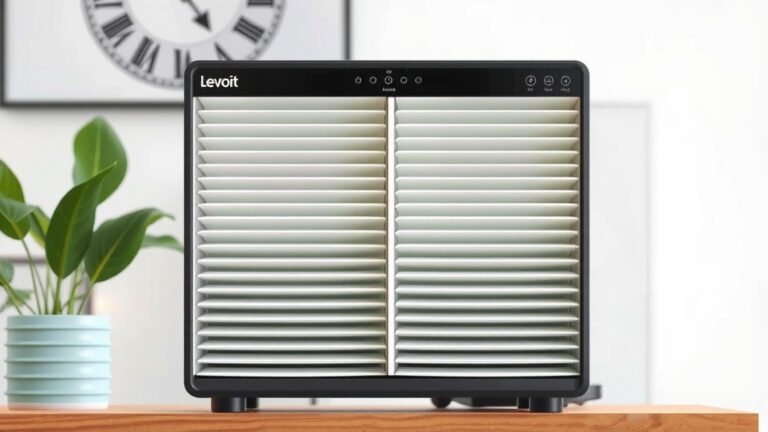
Air purifiers can be a helpful tool for managing COPD symptoms. They work by removing tiny particles from your indoor air. These particles can irritate your lungs. Cleaning your air can make breathing easier. Many medical professionals suggest them as a supportive measure.
Understanding Air Pollutants and COPD Triggers
Living with COPD means your lungs are more sensitive. Even common things in your home can trigger flare-ups. You might notice symptoms worsen with certain activities or conditions. Let’s look at what can be floating in your air.
Common Indoor Irritants
Your home can contain many things that affect your breathing. Dust mites are microscopic bugs found in bedding and carpets. Pet dander consists of tiny skin flakes from animals. Pollen can drift in from outdoors. Mold spores are often found in damp areas.
Tobacco smoke is a major irritant. Even secondhand smoke can be harmful. Cooking fumes, especially from frying, can also cause issues. Strong scents from cleaning products or air fresheners are another concern. These common irritants can inflame your airways.
How Air Purifiers Combat Triggers
Air purifiers use filters to trap these particles. Think of them as a vacuum cleaner for your air. They draw air in and pass it through specialized filters. This process captures pollutants before you breathe them in. Cleaner air means less irritation for your lungs.
This can lead to fewer coughing spells. You might find your shortness of breath decreases. Reduced exposure to triggers can help prevent exacerbations. These are the sudden worsening of COPD symptoms. Keeping your indoor air as clean as possible is key.
Key Features to Look For in an Air Purifier for COPD
Not all air purifiers are created equal. When choosing one for COPD, certain features are more important. You want something effective and easy to use. Research and found that specific filter types are best.
The Importance of HEPA Filters
HEPA stands for High-Efficiency Particulate Air. A true HEPA filter can capture at least 99.97% of particles. These particles are as small as 0.3 microns. This includes many common COPD triggers like dust, dander, and pollen. HEPA filters are the gold standard for air purification.
When shopping, look for filters that are certified HEPA. Some products might say “HEPA-like” or “HEPA-type.” These often do not perform as well. A genuine HEPA filter makes a significant difference for air quality. It’s a vital component for anyone with respiratory issues.
Activated Carbon Filters for Odors and Gases
While HEPA filters catch particles, activated carbon filters handle gases and odors. This type of filter uses charcoal treated to be highly porous. It can adsorb (trap) volatile organic compounds (VOCs). VOCs come from paints, cleaning supplies, and air fresheners.
For people with COPD, reducing these smells and fumes is beneficial. They can be just as irritating as visible particles. A unit with both a HEPA filter and a substantial activated carbon filter offers the best protection. We found that combined filtration is very effective.
Consider Air Purifier Size and Room Coverage
Air purifiers are rated by the size of the room they can effectively clean. This is often measured in CADR, or Clean Air Delivery Rate. A higher CADR means the unit filters air more quickly. You need a purifier that matches the square footage of your living space.
For a bedroom, a smaller unit might suffice. For a larger living room, you’ll need something more powerful. It’s often better to get a unit rated for a slightly larger room than you have. This ensures it can clean the air efficiently. Overworking a small unit won’t give you the best results.
Noise Levels and Ease of Use
You’ll likely want to run your air purifier continuously. Especially in your bedroom or main living area. Look for units with low noise levels, particularly on lower settings. Many models have a “sleep mode” that operates very quietly. This ensures it won’t disrupt your rest.
Consider how easy it is to change the filters. Some units have indicator lights that tell you when it’s time. Filter replacement is a routine maintenance task. You want it to be straightforward. A user-friendly design makes it more likely you’ll keep using it properly.
Where to Place Your Air Purifier for Maximum Benefit
The placement of your air purifier matters. Putting it in the right spot can improve its effectiveness. Think about where you spend most of your time indoors.
Primary Living Areas and Bedrooms
Your bedroom is often a good place to start. You spend many hours there each night. Cleaner air while you sleep can lead to better rest. Your main living room or den is another good location. Placing it in the room where you relax most often makes sense.
Avoid Obstructions and Drafts
For optimal performance, keep your air purifier away from corners or furniture. It needs space to draw air in and circulate it. Follow the manufacturer’s recommendations for clearance. Avoid placing it directly in a draft from a window or vent.
Some experts suggest placing it near the source of pollutants if possible. For example, near a pet’s resting area. However, general circulation in a main room is usually the priority. You want to clean the air you breathe most often.
Maintenance: Keeping Your Air Purifier Working Well
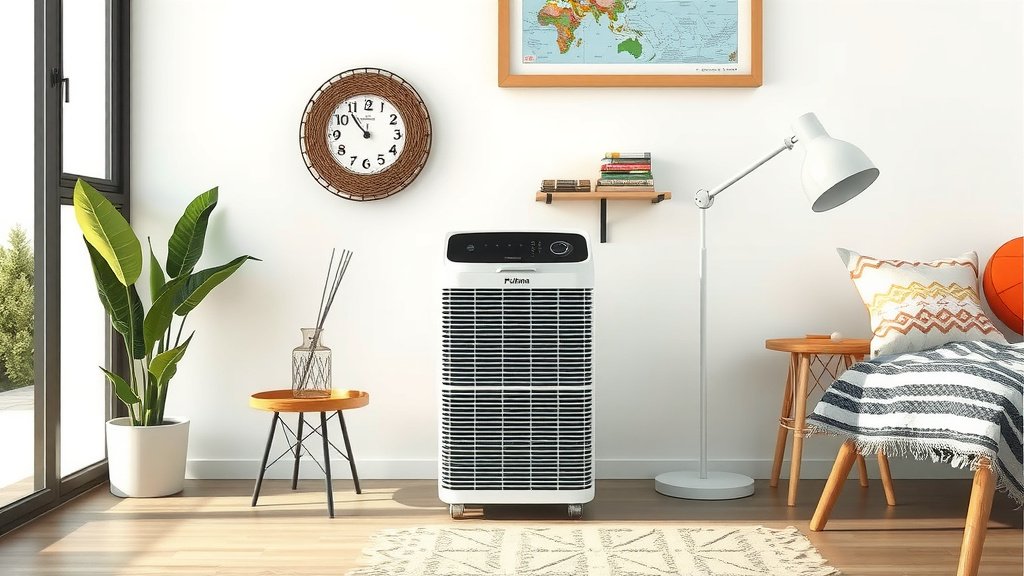
To get the most out of your air purifier, regular maintenance is essential. This mainly involves cleaning and replacing filters.
Filter Replacement Schedule
HEPA and activated carbon filters do not last forever. They become clogged with the pollutants they capture. Most manufacturers provide a recommended replacement schedule. This can range from six months to a year, depending on usage and air quality.
Skipping filter changes means the purifier works harder. It also means it captures fewer pollutants. This reduces its effectiveness. Some units have filter indicators that alert you. These are helpful reminders.
Cleaning the Unit Itself
You should also keep the exterior of the air purifier clean. Dust can accumulate on the outside. A damp cloth can usually do the trick. Refer to your owner’s manual for specific cleaning instructions. Keeping the unit clean helps it run efficiently.
A Checklist for Choosing Your Air Purifier
Feeling overwhelmed? Here’s a quick checklist to help you decide:
- Check for True HEPA Filter: Ensure it captures 99.97% of particles.
- Consider Activated Carbon: Look for a substantial amount for gases and odors.
- Match Room Size: Select a unit with adequate CADR for your space.
- Review Noise Levels: Opt for quiet operation, especially for bedrooms.
- Easy Filter Access: Make sure filter changes are simple and frequent.
- Read Reviews: See what other users, especially those with respiratory issues, say.
By following these guidelines, you can find an air purifier that helps you breathe easier and live more comfortably with COPD.
Conclusion
You’ve learned how an air purifier can be a powerful ally in managing your COPD. By effectively filtering out common indoor irritants like dust, dander, and smoke, these devices help create a cleaner breathing environment. This can translate to fewer symptom flare-ups and an improved sense of comfort in your own home.
Remember, selecting a unit with a true HEPA filter and an activated carbon filter is key. Pay attention to room coverage and noise levels to ensure it fits your lifestyle. Taking the step to invest in an air purifier is a proactive move toward better respiratory health. Make cleaning your indoor air a priority and explore models that best suit your needs today.
Frequently Asked Questions
Can an air purifier completely eliminate COPD symptoms?
No, an air purifier cannot eliminate COPD symptoms entirely. COPD is a chronic condition. Air purifiers help manage symptoms by reducing exposure to airborne irritants. They are a supportive tool, not a cure, and should be used alongside your prescribed medical treatments.
How often do I need to replace the filters in my air purifier?
Filter replacement frequency varies by manufacturer and model. Generally, HEPA and carbon filters need replacement every six to twelve months. Check your air purifier’s manual for specific recommendations. Replacing filters on schedule ensures optimal performance.
Are air purifiers noisy, and will they disturb my sleep?
Many air purifiers come with quiet settings or a dedicated “sleep mode.” These operate at very low noise levels, often comparable to a gentle fan. Look for models with low decibel ratings for nighttime use. This ensures they won’t disrupt your rest.
Can an air purifier help with fumes from cleaning products or cooking?
Yes, air purifiers with activated carbon filters are effective at reducing odors and gases from fumes. These filters adsorb volatile organic compounds (VOCs) released by cleaning supplies and cooking. This can significantly improve air quality in your home.
Is it worth getting an air purifier if I have a small apartment?
Even in a small space, an air purifier can make a difference for your respiratory health. Consider a compact model designed for smaller rooms. It will still help remove allergens and irritants from your immediate environment, potentially easing your breathing.

![What Is The Best Air Purifier for Smoke [In 2026]](https://homeunderstandable.com/wp-content/uploads/2025/06/best-air-purifier-for-smoke-reddit.jpg)