How Air Purifiers Are Made: A Detailed Look
Air purifiers are generally made through a multi-step manufacturing process. This process involves sourcing quality materials, assembling the internal components, and then building the outer casing. The main goal is to create a device that effectively filters air. They are designed for your health and home.
The construction of an air purifier often begins with selecting the right filters. These filters, like HEPA or activated carbon, are key to trapping pollutants. Then, the fan mechanism and motor are installed to move air through the filters. Finally, the plastic or metal housing is put together to protect these parts.
- Air purifiers are assembled in factories.
- Key parts include filters, a fan, and a motor.
- The outer casing protects these components.
- Different models have varying assembly steps.
- Quality control checks are vital for performance.
Let’s take a closer look at how these helpful devices are brought to life. We’ll walk through the typical steps involved in making an air purifier.
How Air Purifiers Get Assembled
Air purifiers are generally made through a multi-step manufacturing process. This process involves sourcing quality materials, assembling the internal components, and then building the outer casing. The main goal is to create a device that effectively filters air. They are designed for your health and home.
The construction of an air purifier often begins with selecting the right filters. These filters, like HEPA or activated carbon, are key to trapping pollutants. Then, the fan mechanism and motor are installed to move air through the filters. Finally, the plastic or metal housing is put together to protect these parts.
- Air purifiers are assembled in factories.
- Key parts include filters, a fan, and a motor.
- The outer casing protects these components.
- Different models have varying assembly steps.
- Quality control checks are vital for performance.
Let’s take a closer look at how these helpful devices are brought to life. We’ll walk through the typical steps involved in making an air purifier.
Building Blocks of an Air Purifier
Think of making an air purifier like baking a cake. You need the right ingredients and a good recipe. The core components are carefully chosen before assembly begins.
Filter Selection: The Heart of the Machine
The most important part is the filter. Most air purifiers use a combination of filters to tackle different airborne particles. What kinds of filters are common? We found that several types are standard.
HEPA Filters: The Mighty Particle Catcher
HEPA stands for High-Efficiency Particulate Air. These filters are designed to trap at least 99.97% of particles that are 0.3 microns in size. This includes things like dust, pollen, pet dander, and mold spores. The fibers in a HEPA filter are arranged in a random pattern. This creates a maze that effectively captures tiny particles. You’ll often find these in models focused on allergens (Cleveland Clinic).
Activated Carbon Filters: For Odors and Gases
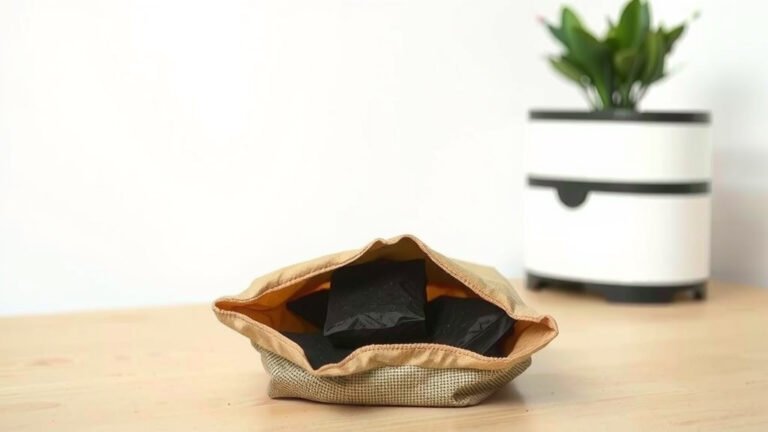
Activated carbon filters are different. They use a porous material, like charcoal, that has been treated to be extremely absorbent. This filter is great for removing odors from cooking, pets, or smoke. It also tackles gases and volatile organic compounds (VOCs). These are chemicals often found in cleaning products or furniture.
Pre-filters: The First Line of Defense
Many units also include a pre-filter. This is usually a washable mesh screen. Its job is to catch larger particles like hair or big dust bunnies. This protects the more sensitive HEPA and carbon filters, making them last longer.
The Air Movement System: Fan and Motor
Once the filters are ready, the system that moves air needs to be installed. This usually involves a fan and its motor. The fan draws air into the purifier. Then, it pushes that air through the various filters.
Fan Design: Speed and Efficiency
The type of fan used can affect how much air the purifier can clean and how quietly it operates. Some fans are designed for high airflow, while others prioritize quiet operation. Manufacturers often test these to find a good balance for different user needs.
Motor Integration: Powering the Airflow
The motor is the powerhouse. It needs to be robust enough to run the fan consistently. Safety features are also built into the motor to prevent overheating. We found that motor durability is a key factor in the lifespan of an air purifier.
Assembling the Purifier’s Body
With the internal workings ready, it’s time to put everything into its protective shell. This is where the aesthetic and structural integrity of the purifier takes shape.
Housing Materials: Plastic vs. Metal
Most air purifiers have an outer casing, or housing. This is typically made from durable plastics. Some higher-end models might use metal, like brushed aluminum. The material choice affects durability and cost. Plastic is lighter and often more affordable. Metal can feel more premium and might be more robust.
Component Placement and Wiring
Inside the housing, there’s a specific arrangement for each component. The filters slide into designated slots. The fan and motor are mounted securely. Then, all the electrical wiring is connected carefully. This includes the power cord and any control panel wiring. Safety standards are very important here. Wires are often insulated and secured to prevent shorts or damage.
Control Panels and User Interface
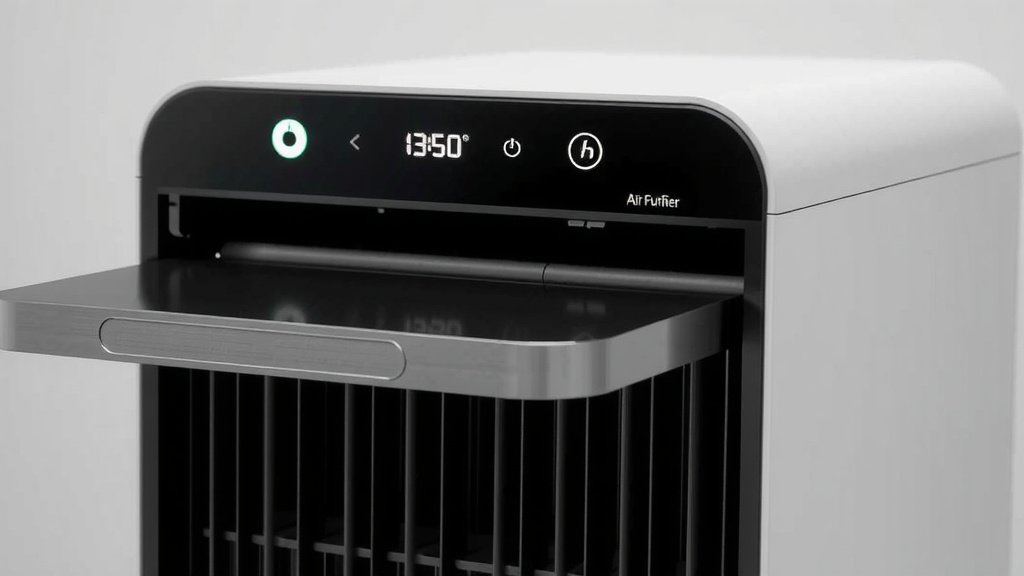
The controls allow you to operate the purifier. This could be a simple on/off button or a more complex digital display. Buttons, touch screens, or even remote controls are assembled and wired into the main unit. They provide the user with the ability to change fan speeds or set timers.
Quality Control: Ensuring Performance
No device leaves the factory without a thorough check. Quality control is a critical stage. It ensures the air purifier works as intended and safely. What does this process involve?
Functional Testing
Each unit is typically tested to ensure the fan runs, the motor is quiet, and the controls work. They might also test the airflow. This confirms the unit can move air effectively through the filters.
Filter Fitment and Sealing
A good seal around the filters is essential. If air can bypass the filters, the purifier won’t clean the air properly. Inspectors check that filters are seated correctly and that there are no gaps. This is vital for HEPA efficiency (CDC).
Safety Checks
Electrical safety is paramount. Units are tested for proper grounding and insulation. They also check for any potential hazards like sharp edges or loose parts. This ensures the product is safe for your home.
Manufacturing Process Checklist
Here’s a quick rundown of the assembly journey:
- Source and inspect all filter types.
- Mount the fan and motor securely.
- Connect all internal wiring and components.
- Assemble the outer housing.
- Perform functional and safety tests.
- Package the finished air purifier for shipping.
So, when you look at your air purifier, remember the detailed steps that went into its creation. It’s a blend of science, engineering, and careful assembly. All aimed at giving you cleaner air to breathe.
Conclusion
You’ve learned that making an air purifier is a detailed process. It starts with carefully selecting high-quality filters and a reliable fan and motor system. Then, these internal parts are fitted into a durable outer casing. Finally, rigorous quality control checks ensure your purifier operates effectively and safely. Your air purifier is a product of thoughtful engineering. Now that you understand the effort involved, you can better appreciate its function in your home. Consider when you might need to replace your filters to maintain peak performance.
Frequently Asked Questions
Are air purifiers made by hand or by machines?
Air purifiers are primarily assembled using automated machinery in factories. While some final touches or specialized components might involve manual steps, the bulk of the manufacturing process relies on efficient assembly lines and robotics for consistency and speed.
Where are most air purifiers manufactured?
Research shows that a significant number of air purifiers are manufactured in Asian countries, particularly in China, due to established manufacturing infrastructure and supply chains. However, some brands also have production facilities in other regions globally.
What is the most important component when making an air purifier?
The filter system is arguably the most critical component. The quality and type of filters, such as HEPA and activated carbon, directly determine the purifier’s effectiveness in removing different types of pollutants from your air.
How do manufacturers ensure air purifiers are safe for home use?
Manufacturers conduct thorough safety checks during production. This includes testing for electrical safety, ensuring proper insulation, checking for sharp edges, and verifying that all components are securely fastened to prevent hazards.
Why are different types of filters used in air purifiers?
Different filters target different airborne contaminants. HEPA filters excel at capturing fine physical particles like pollen and dust, while activated carbon filters are designed to absorb odors, gases, and VOCs. Using multiple filter types provides a more comprehensive air purification solution.