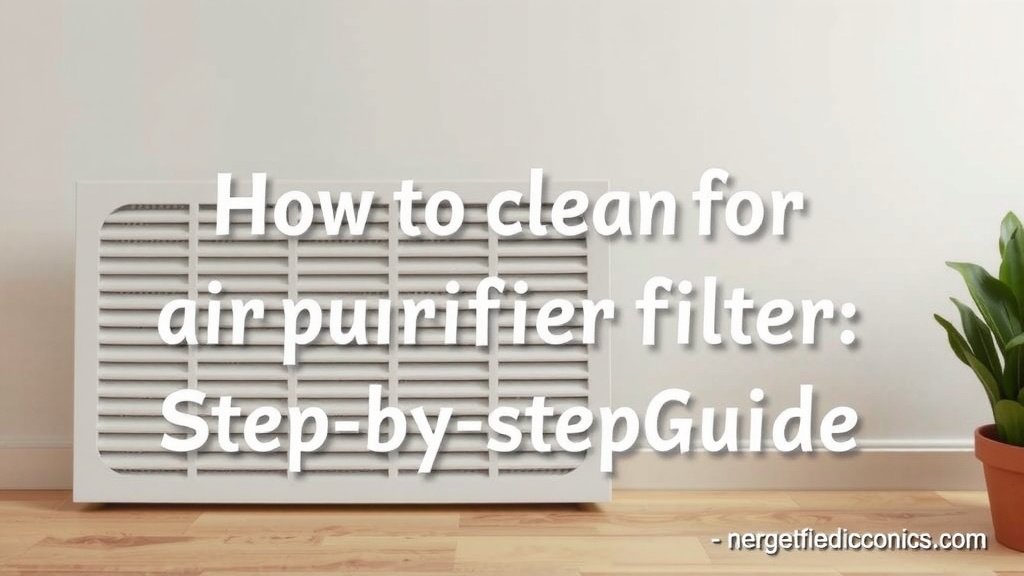
How to Clean Your Air Purifier Filter: A Step-by-Step Guide
The easiest way to clean an air purifier filter often involves a gentle vacuuming or a quick rinse. For many models, you can remove dust and debris by hand. This helps your purifier work more efficiently. Always check your manual first.
Keeping your air purifier filter clean is key to breathing better air. Dirty filters can trap fewer pollutants. They might even recirculate dust. We found that regular cleaning can extend the life of your filter. It also ensures your device performs at its best.
TL;DR:
- Vacuuming is often the first step.
- Rinsing some filters can work well.
- Always check your air purifier’s manual.
- Clean filters mean cleaner air for you.
- This simple task keeps your purifier effective.
Let’s walk through exactly how to clean your air purifier filter step by step.
“`htmlKeeping Your Air Purifier Filter Clean
Cleaning your air purifier filter is a surprisingly simple task. You can often do it with tools you already have at home. A clean filter means your purifier can do its best job. This helps you breathe cleaner air at home.
Why Regular Filter Cleaning Matters
Think of your air purifier’s filter like the lungs of your home. When they get clogged with dust and debris, they can’t work efficiently. We found that dirty filters can trap less pollen, pet dander, and other allergens. They might even start recirculating some of that captured grime back into your air.
Many manufacturers recommend cleaning your filter regularly. This isn’t just to make them feel good. It directly impacts your indoor air quality. Regular maintenance can also save you money. It can help prevent damage to the motor and extend the overall life of your air purifier. Plus, who doesn’t want to breathe cleaner air?
Understanding Your Air Purifier’s Filter Types
Before you start cleaning, you need to know what kind of filter you have. Not all filters are created equal, and cleaning methods vary. Most air purifiers use one or a combination of these filter types:
Pre-filters
These are usually the first line of defense. They catch larger particles like pet hair and dust bunnies. Pre-filters are often washable or can be vacuumed. They protect the more sensitive filters underneath.
HEPA Filters
High-Efficiency Particulate Air (HEPA) filters are designed to capture very fine particles. This includes things like mold spores, bacteria, and smoke. Most HEPA filters are NOT washable. They need to be replaced when they get too dirty. Trying to wash a HEPA filter can damage its delicate structure.
Activated Carbon Filters
These filters are excellent at absorbing odors and gases. Think of cigarette smoke, cooking smells, or pet odors. Activated carbon filters often work alongside HEPA filters. Like HEPA filters, they are typically not washable and need to be replaced.
Step-by-Step Guide to Cleaning Your Air Purifier Filter
Ready to get started? Follow these steps for a thorough cleaning. Remember, always refer to your air purifier’s manual first. It will have specific instructions for your model.
Step 1: Safety First – Unplug Your Purifier
This might seem obvious, but it’s the most important step. Always unplug your air purifier before you do anything else. You don’t want any unexpected surprises while you’re working on it.
Step 2: Locate and Remove the Filter
Most air purifiers have a filter access panel on the back or side. You might need to twist a dial, push a button, or slide a cover. Once you’ve opened it, gently slide or pull out the filter. Make a note of its orientation so you can put it back correctly.
Step 3: Inspect the Filter
Take a look at your filter. Is it covered in a thick layer of dust? Do you see large debris like pet hair? A visual inspection will tell you if it’s time for a cleaning or if it needs replacement. If it looks black and sooty, it’s likely time for a new one (Mayo Clinic).
Step 4: Cleaning Washable Pre-filters
If your air purifier has a removable pre-filter that is washable (check your manual!), this is where you’ll start. You can usually do this in a few ways:
Vacuuming the Pre-filter
This is often the easiest and first step for most pre-filters. Use the brush attachment on your vacuum cleaner. Gently go over the surface of the filter. This will help remove loose dust and debris. Many experts say this is a great way to maintain your filter between deeper cleanings.
Rinsing the Pre-filter
For a more thorough clean, you can rinse the pre-filter. Use lukewarm water. You can rinse it under a faucet or in a sink. Be gentle; you don’t want to force water through the mesh too aggressively. After rinsing, you need to ensure it’s completely dry before putting it back.
Drying the Pre-filter
This is critical. Water left in the filter can lead to mold and mildew growth, which is exactly what you’re trying to avoid. You can pat it dry with a clean towel. Then, let it air dry completely. Place it in a sunny spot or near a fan to speed up the process. It might take several hours to fully dry.
Step 5: What to Do with Non-Washable Filters (HEPA & Carbon)
If your manual states that your HEPA or activated carbon filters are not washable, do not attempt to wash them. These filters are designed to trap microscopic particles. Washing them will damage their structure and reduce their effectiveness. For these types, your best bet is replacement.
We found that many people try to extend the life of these filters by vacuuming them. While this might remove some surface dust, it’s generally not recommended by manufacturers. It can still damage the filter media. Many guidelines suggest replacing these filters as recommended by the manufacturer, typically every 6-12 months depending on usage and air quality (CDC).
Step 6: Reassemble Your Air Purifier
Once your washable pre-filter is bone dry, carefully place it back into the air purifier. Make sure it’s oriented correctly. Close the filter access panel securely.
Step 7: Plug It In and Power On
Plug your air purifier back into the power outlet. Turn it on to ensure everything is working properly. You should notice a difference in air flow and a reduction in dust.
Quick Checklist for Filter Cleaning
Here’s a quick reminder of the key steps:
- Always unplug your air purifier first.
- Remove the filter gently.
- Check your manual to know your filter type.
- Vacuum washable filters to start.
- Rinse washable filters if needed, then dry completely.
- Replace non-washable filters as recommended.
When to Replace Your Air Purifier Filter
Sometimes, cleaning isn’t enough. Filters have a lifespan, and it’s important to know when it’s time to replace them. Many air purifiers have indicator lights that tell you when it’s time for maintenance. Otherwise, you’ll need to rely on visual cues and your manual’s recommendations.
Signs your filter needs replacing:
- A persistent, musty smell that doesn’t go away after cleaning.
- The filter looks visibly clogged, stained, or discolored.
- Your air purifier seems to be running louder than usual.
- You haven’t replaced it in over a year (or the recommended time).
Replacing filters is just as important as cleaning them. It ensures your purifier continues to perform at its peak, giving you the cleanest air possible.
“`Conclusion
You’ve learned how simple it is to clean your air purifier’s filter. Regular cleaning keeps your device running efficiently and improves your home’s air quality. Remember, not all filters can be washed. Always check your manual to identify your filter type. For washable pre-filters, a gentle vacuuming or a cool water rinse is usually best. Ensure any washed filter is completely dry before reassembly. Taking these steps will help you enjoy cleaner air and extend the life of your air purifier. Your next step is to unplug your purifier and check its manual for your specific filter type!
Frequently Asked Questions
How often should I clean my air purifier filter?
We found that cleaning frequency depends on your environment. For most homes, cleaning your washable pre-filter every 2-4 weeks is ideal. If you have pets or live in a dusty area, you might need to clean it more often. This regular maintenance helps maintain optimal performance.
Can I use soap or cleaning solutions to clean my air purifier filter?
Generally, no. Most manufacturers advise against using soap or harsh cleaning solutions on washable filters. Plain lukewarm water is usually sufficient. Using detergents can damage the filter material or leave residue that affects air quality. Always consult your manual for specific cleaning recommendations.
My air purifier smells musty even after cleaning. What should I do?
A persistent musty smell often indicates that the filter needs replacing, not just cleaning. This is especially true for HEPA and activated carbon filters. It can also mean that a washable filter wasn’t dried completely, leading to mold growth. If cleaning doesn’t resolve the odor, it’s time for a new filter.
How long does an air purifier filter typically last?
The lifespan of an air purifier filter varies. Washable pre-filters can last for years with proper care. However, HEPA and activated carbon filters usually need replacing every 6 to 12 months. Factors like air quality, usage hours, and how often you clean washable parts influence their longevity.
Is it okay to run my air purifier without a filter?
Absolutely not. Running your air purifier without a filter is not recommended. The filter is essential for trapping pollutants. Without it, your purifier will not clean the air effectively. Additionally, dust and debris could enter the motor, potentially causing damage. Always ensure a filter is in place.