How to Tell If Your Air Purifier Is Working Effectively
You know your air purifier is working when you notice cleaner air, fewer odors, and a general sense of freshness. While it might not be a dramatic change, consistent use should lead to a noticeably improved environment. It’s all about observing the subtle (and sometimes not-so-subtle) improvements in your home’s air quality.
Many people wonder how to tell if their air purifier is actually doing its job. We found that looking for a combination of sensory cues and physical indicators is key. Paying attention to your allergies, the smell of your home, and even the unit’s maintenance needs can tell you a lot about its effectiveness in removing airborne particles.
- Watch for a reduction in odors and smells.
- Notice if you’re sneezing or coughing less.
- Check the air purifier’s filter condition regularly.
- Listen for the unit running quietly and efficiently.
Let’s walk through the signs that show your air purifier is actively cleaning your air, so you can feel confident in your purchase.
How to Tell if Your Air Purifier is Actually Working
So, you’ve invested in an air purifier, but how can you be sure it’s actually cleaning the air in your home? It’s a fair question! You want to feel confident that your purchase is making a real difference for your health and comfort. We’ve researched the key indicators that tell you your air purifier is on the job, silently working to remove pollutants.
Your Senses Are Your First Clues
One of the most immediate ways to notice your air purifier is working is through your sense of smell. Have you ever walked into a room and noticed a stale or unpleasant odor? This could be from pets, cooking, or even just general stuffiness. When your air purifier is functioning correctly, it actively captures these odor-causing particles.
The Odor Vanishing Act
You might first notice this in rooms where odors tend to linger. For example, after cooking a strong-smelling meal, you might expect the aroma to stick around for hours. However, with a running air purifier, you’ll likely find that those smells dissipate much faster than usual. This indicates the activated carbon filter, a common component, is doing its job absorbing volatile organic compounds (VOCs) and other smell-producing molecules.
A Breath of Fresh Air, Literally
Beyond just eliminating bad smells, you might also perceive a general sense of cleaner, fresher air. It’s a subtle feeling, but many users report their homes feel less “stuffy” or “heavy” when an air purifier is active. Think of it like opening a window on a breezy day, but without the pollen or outdoor pollutants. This improved air quality can contribute to a more comfortable living environment.
Observing Your Health and Well-being
For many people, the primary reason for buying an air purifier is to alleviate allergy symptoms or respiratory issues. If you fall into this category, changes in your health can be a strong indicator that your device is effective.
Are Your Allergies Calming Down?
Do you often wake up with a stuffy nose or experience more sneezing fits than usual? If you notice a reduction in these allergy symptoms after running your air purifier consistently, it’s a very good sign. Air purifiers capture airborne allergens like dust mites, pollen, pet dander, and mold spores. Reducing your exposure to these triggers can lead to fewer symptoms (Cleveland Clinic).
It might not be an overnight miracle, especially if your home has a high concentration of allergens. However, over days and weeks, you should notice a gradual improvement in your comfort. If you find yourself reaching for tissues less often or experiencing less eye irritation, your purifier is likely working hard.
Less Dust on Your Surfaces?
Air purifiers aren’t just for odors and allergens; they also capture fine dust particles. While they won’t eliminate dusting entirely, you might find that your surfaces collect dust at a slower rate. This is because the HEPA filter is trapping those pesky dust particles before they have a chance to settle all over your furniture and floors. This reduction in airborne dust can also contribute to cleaner air for you to breathe.
Physical Indicators from the Unit Itself
Beyond how the air *feels* or *smells*, there are tangible signs from the air purifier unit that can tell you about its performance.
The Filter: A Window into Performance
The filter is the heart of your air purifier. Regularly checking it can tell you a lot. A brand new filter is typically bright white. Over time, as it captures pollutants, it will gradually darken and become visibly dirty.
If you check your filter after a month or two and it’s already quite gray or brown, that means it has been actively filtering a significant amount of particulate matter from your air. This is exactly what you want it to do! However, if the filter remains pristine white for many months, it could suggest it’s not capturing much, or that the air quality in your home isn’t as poor as you thought.
When to Change Your Filter
Most manufacturers provide guidelines on how often to replace filters, often based on hours of use or a time frame (e.g., every 6-12 months). Don’t just rely on the visual check; follow the manufacturer’s recommendations. A clogged filter can reduce airflow and make your purifier less effective. Some advanced units even have filter life indicators that tell you exactly when it’s time for a change.
Noise Levels and Airflow
Your air purifier should run smoothly. If you notice it making unusual grinding or rattling noises, this could indicate a mechanical issue, or perhaps that the fan is struggling due to a clogged filter. A properly functioning unit will typically emit a consistent hum, often adjustable by fan speed settings.
You can also check the airflow coming out of the unit. On higher settings, you should feel a noticeable stream of air. If the airflow seems weak, even on the highest setting, it could signal a problem with the fan motor or a severely clogged filter. You want to see that air circulating and being processed.
Smart Features and Air Quality Sensors
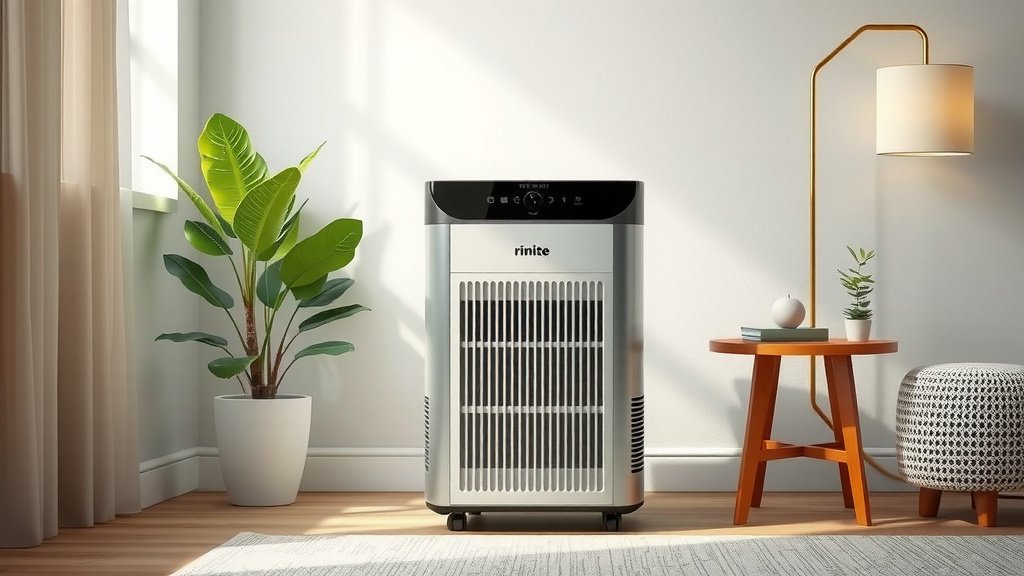
Many modern air purifiers come equipped with built-in sensors that measure your indoor air quality in real-time. These can be incredibly helpful in confirming your purifier is working.
Understanding Sensor Readings
These sensors typically detect different types of pollutants, such as PM2.5 (fine particulate matter), VOCs, or even specific gases. Your air purifier’s display will often show an air quality index, usually color-coded (e.g., green for good, yellow for moderate, red for poor). When the air quality is poor, the unit might automatically increase its fan speed to clean the air more quickly.
If you consistently see the air quality reading improve after a period of purification, or if it remains in the “good” range, this is a direct indication that your device is effective. You can even test this by doing something that temporarily degrades air quality, like burning toast (safely, of course!) and observing how quickly the purifier responds and improves the reading.
A Quick Checklist: Is Your Air Purifier on the Job?
Let’s quickly recap the signs to look for. Keep these in mind as you use your air purifier:
- Odor Reduction: Do bad smells disappear faster?
- Allergy Relief: Are your allergy symptoms lessening?
- Visible Filter: Is the filter getting dirty over time?
- Airflow: Do you feel a steady stream of air from the unit?
- Sensor Data: Are air quality readings improving or staying good?
- Reduced Dusting: Does dust seem to settle slower on surfaces?
Conclusion
You’ve learned how to tell if your air purifier is actively cleaning your home’s air. By using your senses to notice reduced odors and a general freshness, you can gauge its effectiveness. Observing your own well-being, like fewer allergy symptoms, is also a strong indicator. Don’t forget to check the physical signs, such as a darkening filter and consistent airflow, and utilize smart sensor data if your unit has it. Take a moment to review these signs regularly and feel confident in the cleaner air you’re breathing.
Frequently Asked Questions
How long does it typically take to notice the effects of an air purifier?
You might notice reduced odors within hours of starting your air purifier. However, a significant reduction in allergy symptoms or dust accumulation can take several days to a couple of weeks of consistent use. Your home’s air quality and the severity of pollutants will influence this timeline.
Can I tell if my air purifier is working just by looking at it?
While not the only way, looking at the air purifier’s filter is a key visual cue. A filter that has noticeably darkened or collected visible dust and particles indicates it’s been actively capturing pollutants. Ensure you’re checking it against its original bright white state.
My air purifier is quiet. Does that mean it’s not working?
Not necessarily. Many modern air purifiers are designed to be very quiet, especially on lower fan settings. As long as you feel a steady airflow from the unit and other signs point to it working, a quiet operation is often a sign of efficient design.
What if my air purifier’s filter doesn’t seem to be getting dirty?
If your filter remains clean after several months, it could mean your indoor air quality is already quite good. It’s also possible the unit’s airflow is low, or it’s not running consistently. Check your manufacturer’s recommendations for filter life and consider your environmental factors.
How can I be sure my air purifier is effective against specific allergens like pet dander?
While you won’t see pet dander directly, you’ll notice its effects decreasing. Pay attention to a reduction in sneezing, coughing, or general allergy discomfort related to pets. If your home smells fresher and your family is experiencing fewer respiratory issues, your purifier is likely capturing those allergens.
![5 Best Hepa Room Air Purifier for Allergies [In 2026]](https://homeunderstandable.com/wp-content/uploads/2025/05/best-hepa-room-air-purifier-for-allergies-top-picks-for-clean-air-768x512.jpg)
![What Is The Best Air Purifier for Cat Hair And Dander [In 2026]](https://homeunderstandable.com/wp-content/uploads/2025/06/best-air-purifier-for-cat-hair-and-dander-top-picks-for-pet-owners-768x512.jpg)