How Air Compressor Pressure Regulators Work Explained
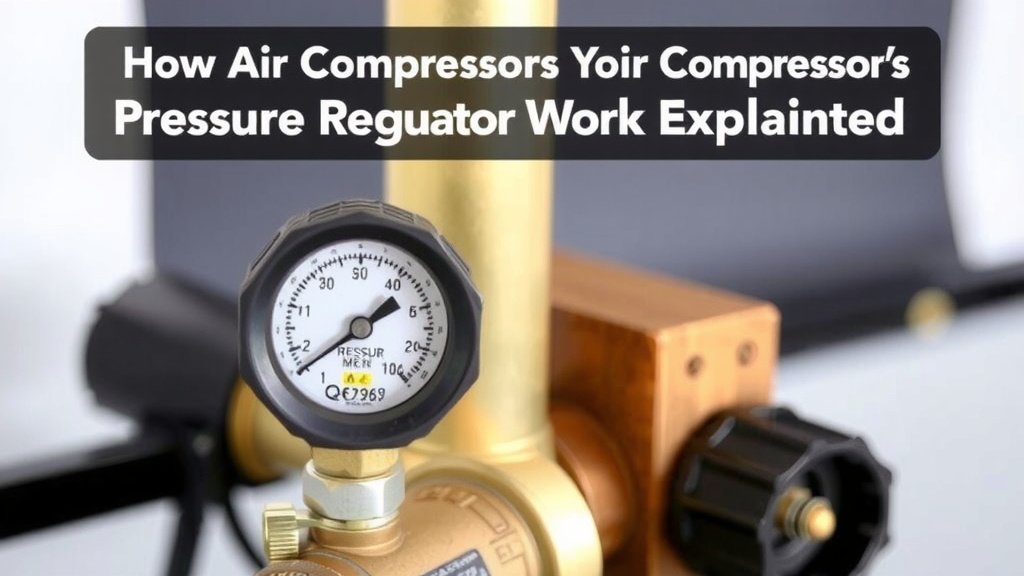
An air compressor pressure regulator works by automatically adjusting the airflow to maintain a consistent output pressure. It uses a diaphragm, spring, and valve system to control how much compressed air passes through. This ensures your tools get the stable pressure they need to operate correctly.
Think of it like a traffic cop for air pressure. Without a regulator, the pressure from your compressor could swing wildly, potentially damaging your equipment or making it perform poorly. A good regulator is essential for protecting your tools and getting reliable performance from them.
- Regulators manage your air compressor’s output.
- They keep air pressure steady for tools.
- A diaphragm and spring are key parts.
- They prevent pressure swings.
- This protects your equipment.
Let’s walk through exactly how your air compressor’s pressure regulator keeps things running smoothly, step by step.
Understanding Your Air Compressor’s Pressure Regulator
So, you’re wondering what makes that little knob on your air compressor work its magic? It’s all about keeping things stable and safe. Your air compressor pressure regulator is a **smart device**. It automatically manages the air pressure flowing out of your compressor. This ensures your tools get the **consistent** air they need.
Think of it like cruise control for your car, but for air pressure. It sets a target and works to keep it there. We’ll break down how this neat little component does its job.
The Core Components: What’s Inside?
The magic of a pressure regulator relies on a few key parts working in harmony. You’ve got a spring, a diaphragm, and a valve. These components work together to sense and control pressure.
The Role of the Spring
The spring is like the muscle of the regulator. You adjust its tension by turning the knob on the regulator. When you turn the knob, you’re either tightening or loosening this spring. A tighter spring pushes harder. This means it will allow more air to pass through to maintain a higher set pressure.
Conversely, loosening the spring reduces the force it applies. This allows for a lower output pressure. It’s the primary way you set your desired air pressure.
The Diaphragm: The Sensitive Sensor
This is the “brain” of the operation, in a way. The diaphragm is a flexible membrane, often made of rubber or a reinforced material. It sits between the high-pressure side (coming from the compressor) and the low-pressure side (going to your tools). The air pressure on the low-pressure side pushes against this diaphragm.
It’s incredibly sensitive. Even small changes in pressure can cause the diaphragm to move. This movement is key to the regulator’s function. It’s constantly sensing the output pressure.
The Valve: The Gatekeeper
The valve is the gate that controls the flow of air. It’s typically a small poppet or plug. This valve is directly connected to or influenced by the diaphragm’s movement. When the diaphragm moves, it either opens or closes the valve.
If the pressure on the low-pressure side is too high, the diaphragm pushes against the valve, closing it slightly. This restricts airflow. If the pressure drops too low, the spring pushes the diaphragm, opening the valve wider to let more air through.
How They Work Together: The Pressure Regulation Cycle
Now, let’s see how these parts collaborate to maintain a steady pressure. It’s a continuous balancing act.
Setting Your Desired Pressure
First, you turn the adjustment knob. This compresses or decompresses the spring. You’re setting the target pressure you want for your tools. The spring now exerts a specific force on one side of the diaphragm.
Airflow and Sensing
Compressed air from the compressor enters the regulator. It pushes against the diaphragm from the other side. This air is trying to get to your tools. The spring’s force is trying to keep the valve open.
The diaphragm is constantly being pushed by two forces: the spring’s force and the air pressure from the compressor. It also feels the pressure on the output side. This is where the magic happens.
Maintaining the Steady Flow
Imagine you have your regulator set to 90 PSI. The spring is pushing with a force equivalent to 90 PSI on the diaphragm. As air flows from the compressor, it pushes against the diaphragm.
If the output pressure drops below 90 PSI (perhaps a tool is using a lot of air), the spring’s force will be greater. It pushes the diaphragm, opening the valve wider. This allows more air to flow from the compressor, increasing the output pressure back towards 90 PSI.
If the output pressure rises above 90 PSI, the higher air pressure will push the diaphragm against the spring’s force. This movement causes the valve to close slightly. This restricts the airflow, reducing the output pressure back down to 90 PSI.
This constant push and pull between the spring and the air pressure keeps the output pressure remarkably stable. It’s a feedback loop that corrects itself automatically.
Why is Pressure Regulation So Important?
You might be thinking, “Why can’t I just use the air as it comes out?” Great question! But using unregulated air can cause problems. We found that many tools are designed for specific pressure ranges.
Protecting Your Tools
Using air that’s too high can damage your tools. It can blow seals, break internal components, or even cause catastrophic failure. Think of it like over-inflating a balloon until it pops. Many guidelines from tool manufacturers suggest operating within a specific PSI range (NIOSH, 2018).
Ensuring Optimal Performance
Conversely, if the pressure is too low, your tools won’t work correctly. A nail gun might not drive nails fully. An impact wrench might not have enough torque. You want your tools to perform at their best. Consistent pressure ensures this.
Safety First!
High, uncontrolled pressure is also a safety hazard. It can lead to unexpected bursts of air or tool malfunctions that could cause injury. Regulators add a critical layer of safety to your compressed air system.
Different Types of Regulators
While the basic principle is the same, you’ll see a few variations. Understanding them can help you choose the right one.
General Purpose Regulators
These are the most common ones you’ll find on portable air compressors. They offer a good balance of performance and affordability. They typically have a plastic or metal housing and an adjustable knob.
Filter Regulators (FRLs)
These are superstars! An FRL combines a filter, regulator, and often a lubricator into one unit. The filter removes moisture and debris from the air. The regulator controls the pressure. The lubricator adds oil for tools that need it. This is a great option for protecting sensitive tools.
High-Flow Regulators
If you have tools that consume a lot of air, like large spray guns or sanders, you might need a high-flow regulator. These are designed to deliver more air volume without a significant pressure drop.
A Quick Checklist for Your Regulator
To ensure your regulator is working its best, consider these points:
- Is the adjustment knob turning smoothly?
- Are there any visible leaks around the housing or connections?
- Does the pressure gauge accurately reflect the set pressure?
- Have you cleaned or replaced the filter if you have an FRL?
- Are your tools performing as expected at the set pressure?
- Is the regulator the correct type for your tools’ air demands?
Conclusion
You’ve learned how your air compressor’s pressure regulator is a smart system. It uses a spring, diaphragm, and valve to maintain a stable output pressure. This simple yet effective design protects your tools from damage. It also ensures they perform at their best. Don’t overlook this essential component for a reliable compressed air system. Your next step? Check your current regulator to ensure it’s clean and functioning correctly. This keeps your tools safe and working efficiently.
Frequently Asked Questions
What happens if I don’t use a pressure regulator?
Without a regulator, the air pressure from your compressor can fluctuate wildly. This can be much higher or lower than what your tools are designed for. Uncontrolled pressure can quickly damage sensitive equipment or cause tools to underperform.
How often should I adjust my air compressor regulator?
You should adjust your regulator whenever you switch to a different tool or application. Each tool has an optimal pressure range for best performance and safety. Setting the correct pressure each time prevents wear and tear.
Can a pressure regulator fail?
Yes, pressure regulators can fail over time. Diaphragms can crack, springs can weaken, or valves can get clogged with debris. Regularly inspecting your regulator for leaks and checking if it holds pressure is important.
Are all air compressor regulators the same?
No, there are different types designed for various needs. General purpose regulators are common. Filter regulators (FRLs) add cleaning and lubrication. High-flow regulators are for air-hungry tools. Choosing the right type ensures proper function for your specific tools.
Why does my regulator pressure drop when a tool is used?
This is normal operation. When a tool draws air, the output pressure drops slightly. The regulator senses this drop and opens the valve more to supply the set pressure. Once the tool stops, the pressure should return to your set level.