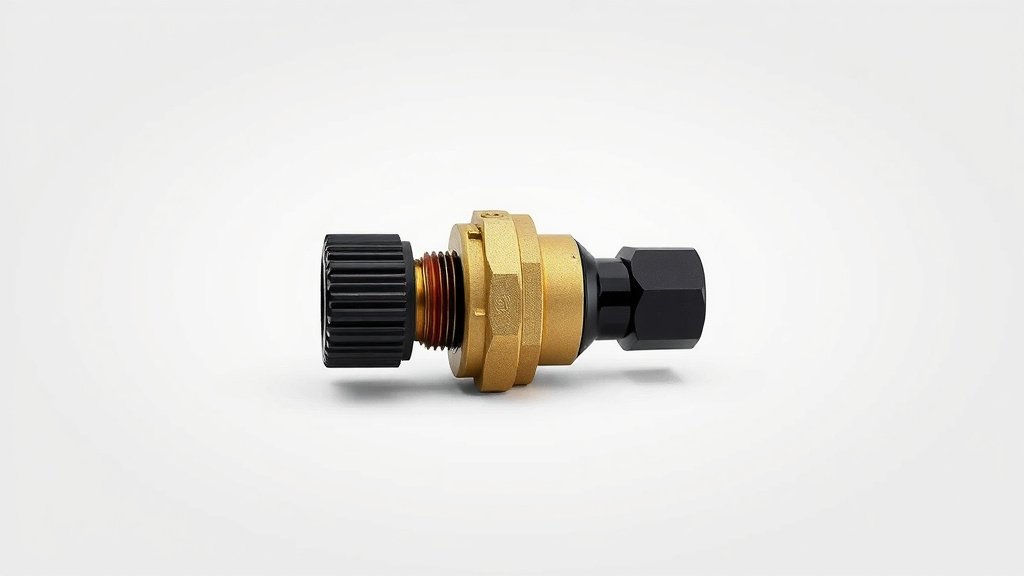
How an Air Compressor Pressure Switch Works Explained
An air compressor pressure switch works by automatically controlling the motor’s on and off cycles. It turns the motor off when your compressor reaches the desired air pressure. Then, it turns the motor back on when the pressure drops too low. This simple but clever device keeps your air tools running smoothly.
You might be wondering how it knows when to flip that switch. The switch uses a diaphragm that senses the air pressure inside the tank. As pressure builds, it pushes against the diaphragm. This movement eventually triggers a mechanism to stop the motor. It’s a vital part of your compressor’s automatic operation.
- It stops the motor when pressure is high.
- It starts the motor when pressure is low.
- A diaphragm senses the air pressure.
- It’s key for your compressor’s automatic function.
Ready to understand the mechanics behind this essential component? Let’s break down exactly how your air compressor pressure switch keeps things powered up.
Understanding Your Air Compressor’s Pressure Switch
Your air compressor has a little hero working behind the scenes. It’s the pressure switch. This device is the brain of your compressor’s automatic operation. It tells the motor when to start and when to stop. This keeps your air tank at the right pressure. We’ll break down how this clever component does its job.
The Role of the Pressure Switch
Think of your pressure switch as a thermostat for air pressure. It sets the upper and lower limits for the air pressure in your tank. When the air pressure reaches the top limit, the switch cuts power to the motor. This stops the compressor from over-pressurizing. When the pressure drops below the lower limit, it reconnects power. The motor then starts up again to refill the tank.
Why Automation is Key
This automatic function is incredibly important. It prevents damage to your compressor and tank. Over-pressurization can be dangerous. It also saves energy. The motor only runs when it needs to. This is much more efficient than having it run constantly. Many experts agree that this automatic control is a safety feature as well as a convenience (OSHA).
How the Pressure Switch Senses Pressure
The magic behind the pressure switch is a simple yet effective mechanism. Inside, there’s a flexible diaphragm. This diaphragm is like a thin, strong rubber or metal disc. It’s positioned so that the air pressure from the compressor tank pushes against it.
The Diaphragm’s Movement
As the air pressure in the tank builds up, it exerts force on the diaphragm. The diaphragm bends or moves inward. This movement is directly proportional to the air pressure. The higher the pressure, the more the diaphragm moves. It’s a direct physical response to the air inside your tank.
Connecting Movement to Switches
Attached to the diaphragm is a small lever or mechanism. When the diaphragm moves far enough inward (due to high pressure), it pushes this lever. The lever, in turn, operates a set of electrical contacts. These contacts are connected to the power supply for the compressor motor. So, the diaphragm’s movement directly controls the electrical flow.
Setting the Cut-In and Cut-Out Pressures
Every pressure switch has two key settings: the cut-in pressure and the cut-out pressure. These are the levels at which the switch turns the motor on and off, respectively.
Cut-Out Pressure: Turning Off the Motor
This is the higher pressure setting. When the air tank reaches this level, the diaphragm is pushed hard enough. It triggers the lever to open the electrical contacts. This breaks the circuit, cutting power to the motor. Your compressor stops pumping air. Many models allow you to adjust this setting. You’ll often find a large screw or knob for this purpose.
Cut-In Pressure: Turning On the Motor
This is the lower pressure setting. When you use air, the pressure in the tank drops. The diaphragm is no longer pushed as forcefully. Eventually, the pressure decreases enough. The diaphragm moves back outward. This allows a spring or the diaphragm itself to close the electrical contacts. Power is restored to the motor, and it starts pumping again. The difference between cut-out and cut-in pressure is called the differential.
The Importance of the Differential
A larger differential means the motor runs less often. This can reduce wear and tear. However, it also means the pressure in your tank will fluctuate more. A smaller differential keeps the pressure more stable. It also causes the motor to cycle on and off more frequently. Finding the right balance is key for your specific needs.
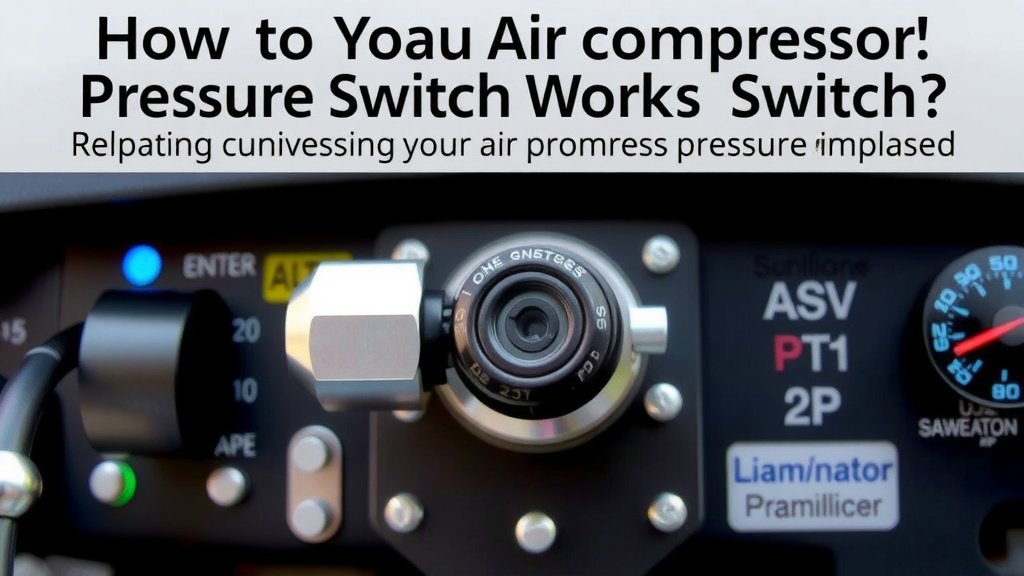
Internal Components of a Pressure Switch
While the diaphragm and lever are central, other parts help the switch function correctly and safely.
Spring Mechanism
A spring works in conjunction with the diaphragm. It provides resistance to the diaphragm’s movement. This resistance helps in setting the precise pressure points. It also helps to snap the electrical contacts open or closed cleanly. This ensures reliable operation.
Unloader Valve Connection
Many pressure switches are connected to an unloader valve. This is a very important safety and functional feature. When the switch turns the motor off, it also signals the unloader valve. The valve releases any trapped air pressure in the compressor pump head. This makes it easier for the motor to start up again. Without this, the motor would have to overcome high pressure just to begin turning. Many experts recommend checking this connection regularly (Industrial Safety & Hygiene).
Overload Protection
Some advanced pressure switches include overload protection. This feature monitors the electrical current going to the motor. If the current becomes too high, it will shut off the motor. This protects the motor from overheating and potential damage. This is an extra layer of safety for your equipment.
Troubleshooting Common Pressure Switch Issues
Sometimes, your pressure switch might not behave as expected. Knowing common problems can save you time and frustration.
Switch Not Turning Off
If the motor runs continuously and the pressure keeps climbing, the switch might be faulty. The diaphragm could be damaged or stuck. The electrical contacts might be welded shut. This is a serious issue and requires immediate attention to prevent tank rupture. Many guidelines suggest shutting off power immediately if this happens.
Switch Not Turning On
If the pressure drops very low, but the motor doesn’t kick back on, the issue could be the switch. The electrical contacts might be dirty or corroded. The diaphragm might not be responding correctly. It could also be a problem with the wiring.
Motor Cycling Too Often or Not Enough
This often points to improper adjustment of the cut-in or cut-out pressures. Or, it could be the differential setting. Sometimes, a leaking tank or air line can cause the motor to run more than it should. You can also check if the unloader valve is releasing pressure properly.
Here’s a quick checklist for checking your pressure switch:
- Confirm cut-in and cut-out pressure settings.
- Check for obvious physical damage to the switch.
- Ensure the unloader valve is functioning.
- Listen for unusual noises when the motor starts or stops.
- Inspect electrical connections for tightness and corrosion.
A Look at Different Switch Types
Most common air compressors use a single-pole, double-throw (SPDT) pressure switch. However, other types exist for different applications.
| Switch Type | Description | Typical Use |
|---|---|---|
| SPDT | Single Pole, Double Throw. Most common for single-phase motors. | Residential and light commercial compressors. |
| DPDT | Double Pole, Double Throw. Used for controlling two circuits. | Larger, industrial compressors or those with dual motors. |
| Adjustable/Non-Adjustable | Allows for setting pressure points vs. fixed settings. | Most modern compressors offer adjustable settings. |
Understanding these different types helps if you’re troubleshooting or considering an upgrade.
Conclusion
Understanding how your air compressor pressure switch works is key to maintaining your equipment. You’ve learned that this device automatically manages your compressor’s motor by sensing air pressure with a diaphragm. It controls the cut-in and cut-out pressures, ensuring your tank stays at the right level. It also connects to safety features like the unloader valve. If you notice your compressor acting up, performing a quick check of the switch and its connections can often solve the problem. Now that you know the basics, take a moment to inspect your own pressure switch and ensure it’s functioning correctly for safe and efficient operation.
Frequently Asked Questions
What happens if the pressure switch fails completely?
If your pressure switch fails, your compressor motor will likely run continuously or not turn on at all. A runaway motor can over-pressurize your tank, which is a serious safety hazard. If the switch fails to turn on, your compressor won’t build any pressure. You’ll need to replace the switch to restore normal operation.
Can I adjust the pressure switch settings myself?
Yes, most pressure switches allow for adjustment of the cut-in and cut-out pressures. You’ll typically find a large screw or knob on the switch itself. Always consult your compressor’s manual for specific instructions. Making incorrect adjustments can affect performance and safety.
How often should I clean the electrical contacts on the pressure switch?
You don’t need to clean them regularly unless you’re experiencing issues. If the motor isn’t turning on, dirty or corroded contacts could be the culprit. You can try gently cleaning them with a wire brush or fine-grit sandpaper. Always disconnect power before attempting any maintenance.
What’s the difference between a pressure switch and a relief valve?
The pressure switch is an automatic control that turns the motor on and off. A relief valve is a purely mechanical safety device. It’s designed to automatically open and vent excess pressure if the pressure switch fails to shut off the motor. The relief valve provides a critical backup safety measure.
Why does my compressor motor sometimes struggle to start after shutting off?
This is often due to trapped air pressure in the pump head. A properly functioning pressure switch will signal the unloader valve to release this pressure. If the unloader valve isn’t working correctly or isn’t connected, the motor has to overcome this back pressure. Check your unloader valve’s operation if you notice this issue.