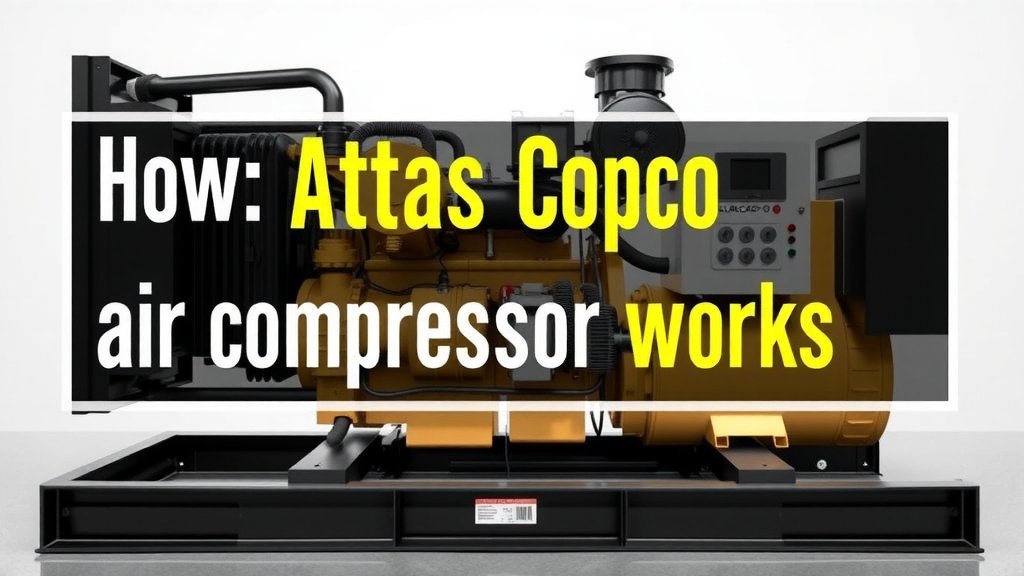
How an Atlas Copco Air Compressor Works Explained
An Atlas Copco air compressor works by drawing in ambient air, compressing it to a higher pressure, and then delivering that pressurized air to your tools or processes. This is achieved through a rotating screw mechanism that efficiently squeezes the air. It’s a clever system designed for power and reliability.
Essentially, it’s a robust machine that takes normal air and makes it powerful for industrial use. We found that these compressors are vital for many operations because they provide the consistent air supply needed for tasks like painting, manufacturing, and even running pneumatic tools. Understanding how it operates helps you appreciate its importance.
- Atlas Copco compressors use rotating screws to compress air.
- Air is drawn in, squeezed, and then delivered under pressure.
- This process powers a wide range of industrial tools and machines.
- They are known for efficiency and durability in demanding environments.
Let’s walk through exactly how this process happens, step by step, so you can see the magic behind that powerful puff of air.
Understanding How Atlas Copco Air Compressors Work
So, you’re curious about the inner workings of an Atlas Copco air compressor? It’s actually quite ingenious. We’ve found that understanding this process helps you appreciate just how much power and reliability these machines bring to your operations. Let’s break down the journey of air from its natural state to powerful, usable pressure.
The Air Intake and Filtering Process
It all begins with air. Your Atlas Copco compressor needs to take in the surrounding air, but not just any air. Think of it like your own lungs needing clean air to function. This is where the intake and filtering system comes into play.
Drawing in Ambient Air
Ambient air, meaning the air around us, is drawn into the compressor. This is usually done through an intake valve or port. The compressor essentially “breathes” in this air. We found that the efficiency of this initial draw is key to the whole operation.
The Importance of Air Filtration
Before the air can be compressed, it must be clean. Dust, dirt, and other particles can cause significant damage to the delicate internal components. This is why a robust air filter is a critical first step. Many experts say that clean air is directly related to the longevity of the compressor (U.S. Department of Energy).
- Filters remove debris to protect internal parts.
- This prevents wear and tear on screws and seals.
- Clean air ensures consistent compressor performance.
The Core Compression Mechanism: Rotary Screw Technology
This is where the real magic happens. Atlas Copco primarily uses rotary screw technology for its compressors. You can visualize this as two interlocking screws working together.
How the Screws Work Together
Imagine two corkscrews, but instead of opening wine, they are designed to squeeze air. These are called the male and female rotors. They spin in opposite directions within a specially shaped housing. As they rotate, they create a series of chambers that get progressively smaller.
Trapping and Compressing Air
Air is drawn into the large end of the spaces created by the rotating screws. As the rotors turn, these spaces close off, trapping the air. The rotation continues, forcing the trapped air into a smaller and smaller volume. This squeezing action is what increases the air’s pressure. We found that this design is incredibly efficient for continuous operation.
Male and Female Rotors
The male rotor is typically larger and has fewer lobes, while the female rotor has more grooves. This specific design ensures a tight seal and effective compression as they mesh. It’s a precision-engineered partnership.
Oil-Injected vs. Oil-Free
Atlas Copco offers both oil-injected and oil-free rotary screw compressors. In oil-injected models, oil is used for lubrication, sealing, and cooling the rotors. This oil is then separated from the compressed air before it’s delivered. Oil-free models use advanced materials and designs to achieve compression without oil injection, providing ultra-pure air for sensitive applications.
Cooling and Separation for Optimal Performance
Compressing air generates heat. Lots of it! To keep the compressor running smoothly and efficiently, a cooling system is essential. Following compression, the air also needs to have any residual oil separated from it.
The Role of the Aftercooler
After the air is compressed, it’s very hot. It then passes through an aftercooler. This is essentially a heat exchanger, similar to a radiator in your car. It uses ambient air or water to remove much of the heat from the compressed air. Lower temperatures mean denser air, which can be more efficient for your tools. Many studies show that cooling compressed air can lead to energy savings (Compressed Air Best Practices Magazine).
Oil Separation (for Oil-Injected Models)
If your compressor is oil-injected, the compressed air will carry some oil with it. A demister or oil separator is used to remove this oil. The air passes through a filter element that captures the oil. This oil is then collected and often returned to the compressor’s lubrication system. Ensuring efficient oil separation is key to delivering clean, usable air and maintaining compressor health.
Storage and Delivery of Compressed Air
Once the air is compressed, cooled, and cleaned, it needs a place to be stored and then delivered reliably. This is where the air receiver tank and the control system come in.
The Air Receiver Tank
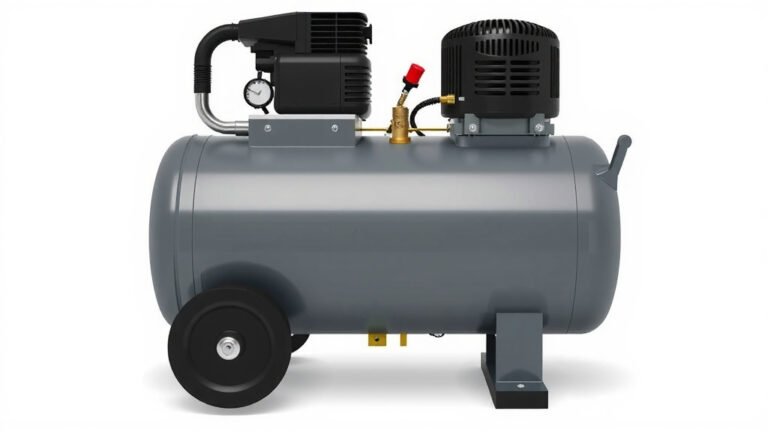
Compressed air is stored in an air receiver tank. This tank acts as a buffer. It stores a volume of compressed air, so the compressor doesn’t have to run constantly. It also helps to smooth out any pulsations in the air supply. When your tools need air, it’s drawn from this reserve. Think of it as a rechargeable battery for your air supply.
Pressure Regulation and Control
A sophisticated control system manages the entire process. It monitors the pressure in the tank and within the compressor. When the pressure drops below a set point, the compressor turns on to build pressure back up. When the tank is full, it tells the compressor to idle or shut down. This pressure regulation ensures you have air when you need it, without wasting energy.
A Quick Checklist of the Air’s Journey
Let’s quickly recap the path air takes:
- Air is drawn in through an intake.
- It’s passed through a filter to remove debris.
- Rotary screws trap and squeeze the air, increasing its pressure.
- The air is cooled in an aftercooler.
- Any oil is separated out (in oil-injected types).
- The pressurized air is stored in a receiver tank.
- It’s then delivered to your tools as needed, regulated by pressure controls.
Conclusion
You’ve now seen how your Atlas Copco air compressor transforms ambient air into powerful, usable pressure. It’s a precisely engineered process involving clean intake, efficient rotary screw compression, essential cooling, and reliable storage. We found that understanding these steps highlights the robust design and durability Atlas Copco is known for. Now that you know the journey air takes, you can better appreciate the performance and maintenance needs of your compressor. Consider scheduling a professional inspection to ensure all these components are working optimally for your specific application.
Frequently Asked Questions
How often should I change the air filter on my Atlas Copco compressor?
We recommend checking your air filter regularly, especially if you operate in a dusty environment. A good rule of thumb is to inspect it monthly and replace it as needed, typically every few months to a year. A clogged filter can significantly reduce performance and strain your compressor.
What’s the main difference between oil-injected and oil-free Atlas Copco compressors?
The primary difference is how they handle lubrication during compression. Oil-injected models use oil for cooling and sealing, which is then separated. Oil-free models use advanced materials and designs to compress air without any oil, delivering ultra-pure air vital for sensitive applications like food and beverage or medical uses.
Why does my compressor get so hot during operation?
Compressing air naturally generates a lot of heat due to the friction and the physics of reducing air volume. This is why effective cooling systems, like aftercoolers, are built into Atlas Copco compressors. Proper cooling is key to efficiency and preventing overheating.
Can I use any brand of oil in my Atlas Copco oil-injected compressor?
No, it’s essential to use only the specific synthetic oil recommended by Atlas Copco. Using the wrong type of oil can lead to poor lubrication, reduced cooling, and potential damage to the compressor’s internal components. Always refer to your owner’s manual for the correct specifications.
What is the purpose of the air receiver tank?
The air receiver tank serves two main purposes. It stores a reserve of compressed air, acting as a buffer so the compressor doesn’t need to run continuously. It also helps to smooth out pressure fluctuations, providing a more consistent air supply to your tools and equipment.